
Dementia isn’t just a disease; it’s a thief, slowly robbing millions of their memories, their independence, and ultimately, their very selves. For too long, we’ve felt helpless against its relentless progression.
But here’s the crucial news: the tide is turning. New scientific breakthroughs are empowering us to spot the earliest whispers of this devastating condition, offering a genuine fighting chance we’ve never had before.
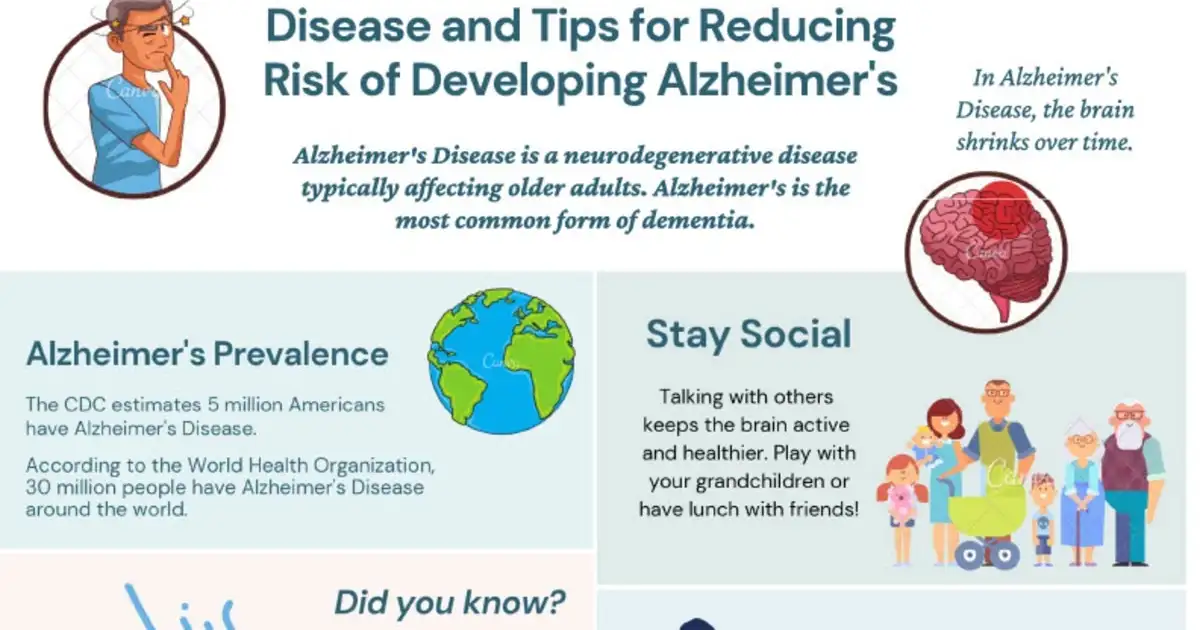
Let’s be clear: this isn’t merely about misplacing your car keys. This is a global health crisis affecting over 55 million people today, with nearly 10 million new cases emerging annually.
Projections are stark, predicting a staggering 139 million individuals could be living with dementia by 2050. Alzheimer’s disease accounts for up to 70% of these cases – a devastating truth we must confront head-on.
Beyond Simple Forgetfulness: The Real Early Signs
Forget the outdated playbook. The early grip of dementia reaches far beyond simple memory hiccups. We’re talking about subtle, often overlooked changes that are too easily brushed aside as “just getting older.” And that, my friends, is a profoundly dangerous oversight.
Today, clinicians are keenly focused on deficits in what we call executive function. What does that mean for you or a loved one? It’s the struggle to plan a simple dinner, or the sudden difficulty in problem-solving everyday issues.
It’s also the overwhelming feeling when faced with a multi-step task, or when familiar routes suddenly become confusing. These aren’t minor inconveniences; they are flashing red flags.
But the picture gets even more nuanced, more human. We’re increasingly recognizing non-cognitive symptoms as equally vital indicators.
Think about persistent shifts in mood: uncharacteristic surges of anxiety, deepening depression, or a profound, unshakeable apathy. Disturbances in sleep patterns – insomnia or excessive daytime sleepiness – are also key.
Even subtle sensory changes, like a mysteriously lost sense of smell, are now recognized as potential early warnings. These are not trivial observations; they are pieces of a puzzle we’re learning to solve.
“It’s not just about memory anymore. We’re seeing increasing evidence that subtle shifts in executive function, mood, and even sleep can be early indicators. Educating the public about these broader symptoms is vital for early detection.” – Dr. Sarah K. Johnson, Neurologist.
These, my friends, are the brain’s urgent whispers, signals that something profound is amiss. To ignore them is to squander invaluable time – time for intervention, time for planning, time for hope.
The Breakthrough: New Tools Unmasking Disease
The true revolution isn’t merely about recognizing symptoms; it’s in the breathtaking advancements of our diagnostic tools. This is where the science gets truly exciting, offering us tangible, life-saving data.
The burning question on everyone’s mind is straightforward: What exactly are these new tools? And, perhaps more importantly, are they even within reach?
My honest answer? It’s a mix of immense hope and profound frustration. Science, I assure you, is moving at warp speed. Yet, the crucial question of accessibility remains a very real, very human battle.
Blood Biomarkers: A Game Changer
Perhaps the most electrifying leap forward we’ve seen comes from simple blood tests. We’re talking about specific markers like phosphorylated tau (p-tau217, p-tau181).
These aren’t speculative indicators. They precisely detect the underlying Alzheimer’s pathology – the actual brain changes – years, sometimes even a decade, before a single cognitive symptom manifests.
Crucially, these tests are far less invasive than a spinal tap and significantly more affordable than complex brain scans. They are rapidly transitioning from research labs to routine clinical availability.
Imagine the impact: a simple blood draw could soon provide crucial early warnings. This would fundamentally alter the trajectory for countless families facing this diagnosis.
“We are in a new era of dementia detection. The ability to identify the earliest biological changes, sometimes decades before clinical symptoms, is transforming how we approach this disease.” – Dr. Maria Carrillo, Chief Science Officer, Alzheimer’s Association.
Advanced Imaging: Seeing the Invisible
Beyond blood, advanced imaging techniques offer us an almost unbelievable window into the brain’s earliest struggles. Amyloid PET and Tau PET scans, for instance, don’t just show us symptoms.
They visualize the actual protein deposits – the toxic amyloid plaques and tau tangles – building up long before any cognitive decline becomes apparent.
And then there are newer techniques, like high-resolution fMRI, which dive even deeper. They reveal early synaptic dysfunction, inflammation, and metabolic changes.
These are the microscopic battlegrounds where the illness truly begins to dismantle brain cells. While incredibly powerful, these scans come with a hefty price tag.
Photo: Wikimedia Commons (query: Alzheimer memory)
Source: Google News