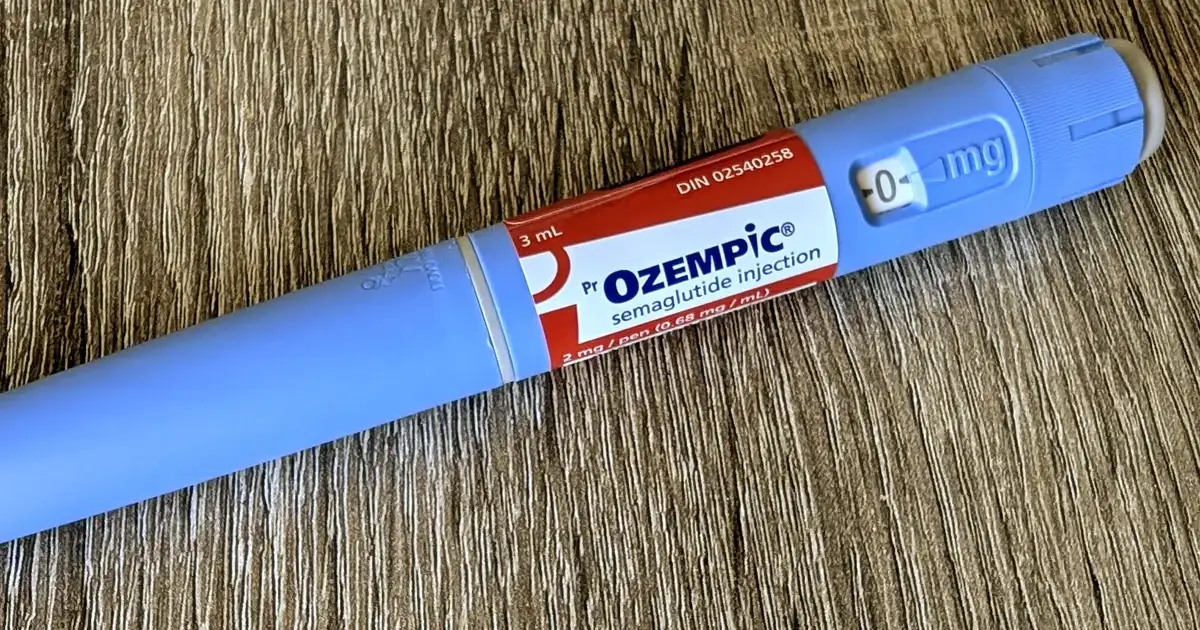

Ozempic, the weight-loss and diabetes sensation, has swept the globe, promising a new chapter for millions. Yet, behind the headlines of dramatic transformations, a quieter, more urgent story is unfolding. For far too many, this powerful medication is delivering not a dream, but a nightmare of preventable side effects.
Doctors are no longer just concerned; they’re sounding a blaring alarm about critical, often dangerous, dosage mistakes patients are making. This isn’t just about a little upset stomach. We’re witnessing severe health crises – from stomach paralysis to pancreatitis – all because patients, often unknowingly, are turning a life-changing tool into a serious health risk.

The Ozempic Boom and Its Alarming Underbelly
Ozempic, the brand name for semaglutide, isn’t just popular; it’s a global phenomenon. Millions worldwide are now prescribed these GLP-1 receptor agonists, celebrating their profound impact on type 2 diabetes management and significant weight loss. But as a science communicator, I must emphasize: this unprecedented demand and widespread use carry a heavy, often hidden, cost.
Medical professionals are observing a deeply troubling pattern. Patients aren’t just missing “hidden warning signs” of an incorrect dose; they’re actively ignoring them, often dismissing symptoms that scream for attention. These aren’t just the garden-variety upset stomachs; these are serious red flags that demand immediate discussion with your healthcare provider.
The most egregious “dangerous mistake” I see? Patients failing to grasp the crucial importance of gradual dosage increases, or worse, neglecting to inform their doctor about persistent, debilitating side effects. This breakdown in communication isn’t just an oversight; it’s a direct pathway to severe health complications.
“Many patients are so laser-focused on the weight loss or blood sugar benefits that they dismiss persistent nausea, severe constipation, or even excruciating abdominal pain as ‘normal’ or ‘part of the process’,” warns Dr. Lena Thorne, a leading endocrinologist whose clinic sees these issues daily. “But these aren’t just minor annoyances; they are critical indicators that the dose is too high, or that their body simply isn’t tolerating the medication well. Open, honest communication with your doctor about any side effect, no matter how minor it seems, isn’t just paramount – it’s non-negotiable for your safety.”
Let’s be clear: up to 70% of patients will experience some form of gastrointestinal issue. Nausea is, predictably, the most common complaint. While many side effects are mild and manageable, a substantial number of individuals suffer severely enough to be forced off the medication.
Sometimes, these complications are truly frightening. This isn’t just about discomfort; it’s about potentially irreversible damage.
The Peril of Self-Dosing: A Race to Disaster
The financial stakes in the GLP-1 market are astronomical, projected to soar past $100 billion by the early 2030s. This isn’t just a “financial incentive”; it’s a gold rush, fueling a relentless demand that, regrettably, often overshadows patient safety. This intense pressure creates a dangerous “rush to results” mentality that is proving profoundly harmful.
Here’s where the real danger escalates: I’ve seen patients, driven by desperation or impatience, attempt to fast-track their weight loss by increasing their dose far quicker than prescribed. Even more alarmingly, some are acquiring the drug from dubious, unregulated online pharmacies or international sources, completely bypassing legitimate medical oversight. This isn’t just risky; it’s playing Russian roulette with your health.
“The most alarming ‘dangerous mistake’ we consistently observe is patients attempting to accelerate their results by unilaterally increasing their dose faster than prescribed, or, even more concerning, obtaining the medication from unregulated sources without any proper medical oversight,” asserted Dr. Marcus Chen, a respected public health expert and advocate for patient safety. “This reckless approach completely circumvents the meticulous, step-by-step titration process specifically designed to minimize adverse effects and, frankly, will lead to severe, often life-threatening complications.”
The data from adverse event reports is chilling, revealing a stark increase in severe gastrointestinal issues. We’re talking about conditions like gastroparesis, often referred to as stomach paralysis, where your stomach simply stops emptying properly. But it doesn’t stop there.
Less common, yet equally devastating, problems include acute pancreatitis – a painful inflammation of the pancreas – and severe gallbladder issues. Let me be unequivocally clear: rapid dose escalation doesn’t just “make these conditions worse”; it triggers them, turning a promising treatment into a medical emergency.
Beyond the Prescription: Four Essential Lifestyle Tweaks to Mitigate Side Effects
So, faced with these stark realities, are we helpless? Absolutely not. As a science communicator, my role isn’t just to highlight dangers, but to provide actionable, evidence-based solutions.
Doctors aren’t simply identifying problems; they’re prescribing clear, practical strategies. If you’re currently on Ozempic, or even contemplating starting it, consider these four lifestyle adjustments as non-negotiable pillars of your treatment plan.
These aren’t complicated changes, but their impact can be profound. Implementing them can dramatically reduce your personal risk of experiencing severe side effects, allowing you to genuinely take control of your treatment journey rather than feeling like a passive recipient of its whims.
- Embrace Smaller, Bland Meals: Forget the traditional “three square meals.” Your digestive system is now operating at a slower pace thanks to Ozempic. Overloading it is a recipe for disaster. Instead, opt for smaller, more frequent meals throughout the day. Prioritize bland, low-fat foods – think lean proteins, plain rice, steamed vegetables. This simple shift significantly eases the burden on your gut, drastically cutting down on nausea, bloating, and overall discomfort.
- Hydration is Your Best Friend: This cannot be stressed enough. Ozempic can exacerbate dehydration, especially if you experience vomiting or diarrhea. Dehydration, in turn, worsens constipation – a common and debilitating side effect. Make water your constant companion. Aim for consistent sips throughout the day, not just when you feel thirsty.
- Identify and Ruthlessly Avoid Trigger Foods: Become a detective of your own body. Pay close attention to which foods make you feel worse. For many, greasy, high-fat meals, excessively spicy dishes, or sugary, processed foods are major culprits. These can send your nausea, indigestion, and stomach pain spiraling. Once you identify your personal triggers, cut them out without hesitation.
- Eat Slowly and Mindfully: In our fast-paced world, eating often becomes a race. But on Ozempic, rushing your meals is a critical error. Take your time; chew your food thoroughly, aiming for 20-30 chews per bite. This aids digestion from the very first mouthful and prevents overeating.
Your Health, Your Unwavering Responsibility
Let’s be unequivocally clear: Ozempic is a potent pharmaceutical agent. For countless individuals, it offers genuine, life-altering benefits, a true medical marvel. But with such immense power comes an equally immense, non-negotiable responsibility – yours.
To ignore persistent, nagging nausea, or worse, to attempt to self-adjust your dosage, isn’t just reckless; it’s a dangerous gamble with your well-being. This isn’t theoretical; it will place you squarely in the path of debilitating and potentially life-threatening conditions, including the agonizing reality of gastroparesis and the severe pain of pancreatitis. Is the promise of quicker weight loss truly worth that risk?
Your doctor isn’t just a prescriber; they are your most vital ally in this journey. Make them your confidant. Discuss every single side effect, no matter how trivial it might seem.
They possess the expertise to help you understand this complex terrain, to fine-tune your treatment, and to ensure you achieve benefits safely. This isn’t a solo expedition; it’s a partnership.
Photo: Wikimedia Commons (query: Ozempic)
Source: Google News