
Ancient Disease Roaring Back in America: Leprosy’s Shocking Comeback
Leprosy, a disease long believed eradicated from the US, is reappearing in American communities. Rising temperatures and global travel are fueling its return, catching public health off guard. Are we prepared for a threat we thought was history?
The Alarming Rise: Leprosy Reemerges in the US
CDC data from August 29, 2026, shows a surge: at least 15 new cases in Texas, Louisiana, and California in just one month. This is a sharp contrast to the rare cases of recent decades, indicating the disease is establishing itself again.

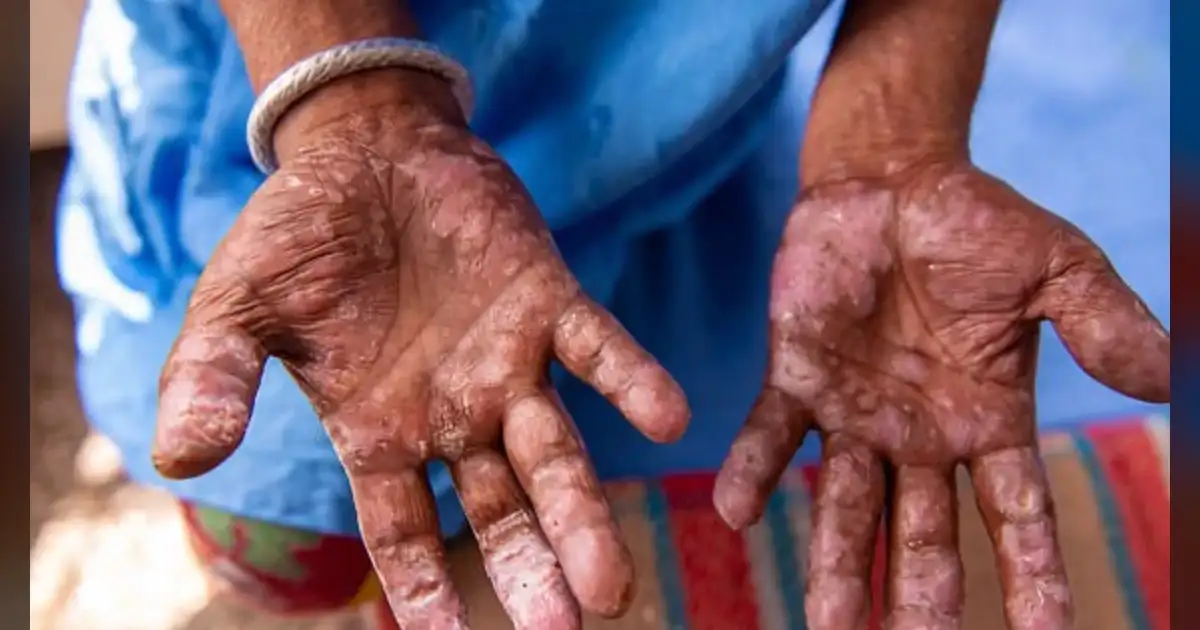
Caused by Mycobacterium leprae, leprosy affects skin, nerves, and eyes. If untreated, it causes disfigurement and disability. Once eliminated in the 1970s through antibiotics, its return suggests new vulnerabilities.
Most recent cases involve travelers from endemic regions like sub-Saharan Africa and Southeast Asia. But the real concern is local transmission—leprosy spreading within US communities, no longer solely imported.
Uncovering the Cause: Climate Change and Global Travel
The comeback stems from climate change expanding habitats suitable for Mycobacterium leprae. Warmer, humid conditions now support bacteria survival in parts of the US previously unaffected.
Dr. Susan Miller from Johns Hopkins warns, “Climate change is expanding the ecological niche for leprosy.”
Global travel and migration introduce the bacteria into populations unprepared for it. Close contact with carriers, especially in crowded or impoverished settings, accelerates spread.
This synergy—climate and mobility—turns a long-dormant disease into a tangible threat.
The Hidden Threat: Ignorance and Lapses in Surveillance
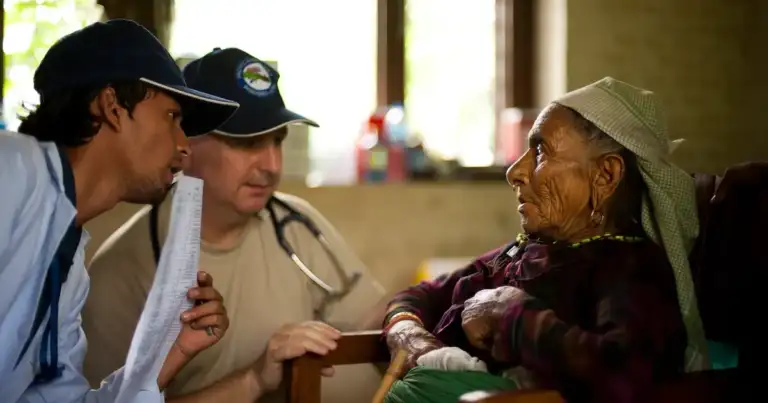
Many US doctors have never seen leprosy firsthand, leading to misdiagnoses or delays. This allows the disease to advance unchecked, risking irreversible damage.
While most cases involve recent travel, evidence of local transmission confirms leprosy is spreading domestically. Vigilance is crucial.
Early detection and antibiotics can prevent disfigurement. But the window for intervention narrows as the disease progresses unnoticed.
Protect Yourself and Your Community: What You Need to Know
The CDC advises:
- Recognize symptoms: numb skin patches, nerve swelling, muscle weakness, persistent skin lesions.
- Be alert if you’ve traveled recently: early diagnosis is key.
- Practice good hygiene: avoid close contact with untreated cases.
- See a healthcare provider: persistent skin or nerve issues warrant testing, especially with travel history.
Though not highly contagious, untreated leprosy can cause serious health issues. Antibiotics like rifampicin and dapsone are effective if caught early, preventing long-term disability.
Research Frontiers and Vaccines: The Path Forward
No dedicated leprosy vaccine exists in the US. The BCG vaccine offers some cross-protection but is imperfect. Researchers are racing to develop targeted vaccines.
Antibiotics remain the main treatment, especially when administered early. The key is early detection before irreversible damage occurs.
This resurgence signals a warning: climate change and global interconnectedness threaten to turn leprosy from a relic into a persistent public health challenge if we don’t act now.
History Repeats, but We Can Fight Back
Leprosy’s decline was a victory of antibiotics and public health. Now, that victory faces a serious threat. Past fears of societal ostracization echo today, but the real danger is the disease becoming endemic again.
Ignoring this threat risks turning leprosy into a fixture in warmer, humid regions and among immigrant communities from endemic countries.
This isn’t alarmism—it’s a wake-up call. The clock is ticking. Are we ready to confront a disease we believed was gone forever?
The Urgent Call to Action: Wake Up, America
This isn’t just about leprosy. It exposes our failure to adapt to climate change’s health impacts. Ignoring it leaves us vulnerable to ancient diseases returning from the shadows.
We must strengthen disease surveillance, educate healthcare providers, and accelerate vaccine research. Otherwise, history risks repeating itself, with old diseases thriving unnoticed.
Leprosy is back. The question is: will we respond effectively or let it become a new normal?
Source: Google News