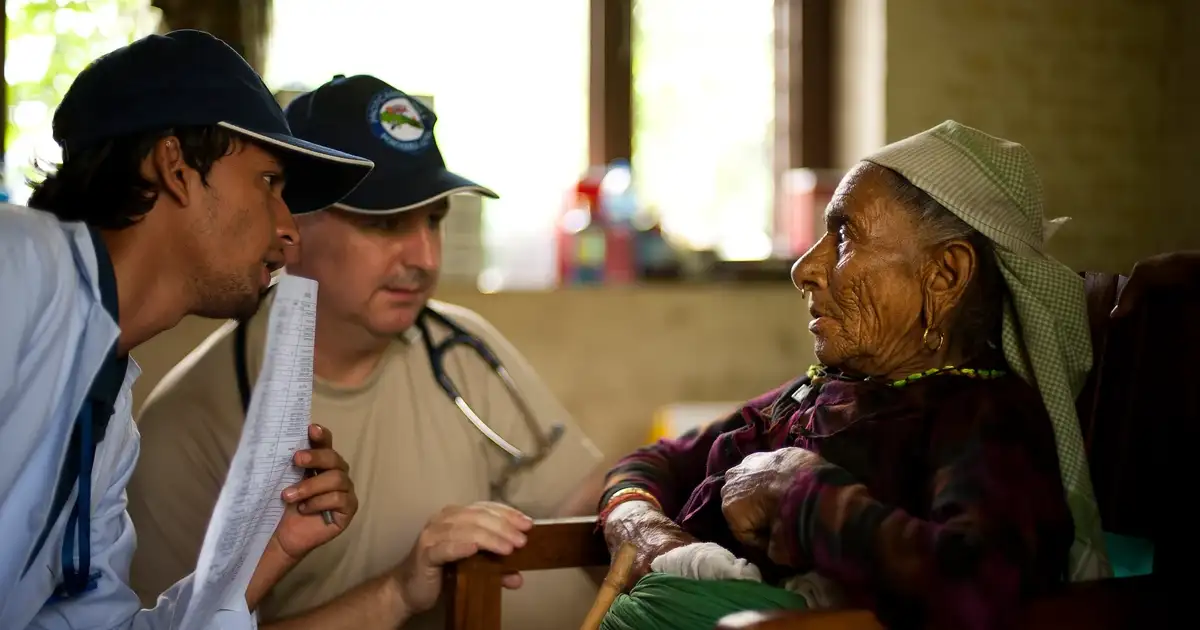


The Nepal Disaster Threatens to Overwhelm Public Health Systems—Act Now or Face Catastrophe
Nepal’s glacier collapse and flooding have sparked a health emergency that could spiral out of control within days. If the international community doesn’t respond swiftly, outbreaks of cholera, dengue, typhoid, and other infections could spill beyond Nepal’s borders, turning a regional crisis into a global threat.What Is Happening in Nepal Right Now?
On August 28, a glacier in Langtang Valley fractured, unleashing a flood that destroyed villages and displaced thousands. Emergency health efforts are underway, but they barely keep pace with the mounting crisis. Contaminated water and standing pools have created perfect conditions for disease spread. Mosquito breeding grounds are multiplying, raising fears of a surge in vector-borne illnesses like malaria and dengue. Overcrowded shelters heighten the risk of respiratory infections, skin diseases, and tetanus, while damaged infrastructure hampers prevention efforts.The Rising Threat of Disease Outbreaks
The danger is immediate. Cholera, dysentery, typhoid, hepatitis A and E—these diseases are ready to explode. Dr. Sita Gurung warns,“Floodwaters create ideal breeding grounds for bacteria and viruses, which can lead to outbreaks if swift action isn’t taken.”The proliferation of stagnant water fuels mosquito populations, making a spike in malaria and dengue inevitable. Displaced populations face unsanitary conditions that breed pneumonia and skin infections. Without urgent intervention, the health system could collapse under the weight of preventable diseases.
Lessons from History: This Is Just the Beginning
Past disasters, like Nepal’s 2015 floods, saw cholera cases double within weeks. Waterborne illnesses can increase by 200% after environmental crises. The WHO reports that 88% of outbreaks in disaster zones are water-related. Without immediate action, Nepal risks a health catastrophe that could cascade into neighboring countries. Local health services are overwhelmed. If nothing changes, the crisis could escalate into a regional epidemic, spreading disease across borders.What Are Authorities Doing—and What More Is Needed?
Nepal’s government has launched vaccination campaigns and distributed water purification tablets. The WHO shipped over 50,000 cholera vaccines and is deploying mobile clinics. But these efforts are only a start. Vaccinations and sanitation can slow the spread, but infrastructure deterioration means the threat persists. Without decisive action—rapid resource deployment, infrastructure repair, community engagement—the diseases will outpace containment.Who Wins? Who Loses?
International agencies benefit from increased funding and recognition, but Nepal’s most vulnerable—children, the elderly, immunocompromised—bear the brunt. Delayed response risks turning a local crisis into a regional or global health emergency.The Stark Reality: Numbers That Cannot Be Ignored
After Nepal’s 2015 floods, cholera cases surged 200% in two weeks. Globally, waterborne diseases cause 88% of outbreaks in disaster zones. Over 10,000 cholera cases were reported then, illustrating how quickly outbreaks escalate. Ignoring these warnings will allow pathogens to spread, igniting a health crisis that strains resources for years. Delay means more lives lost and greater suffering.Why Should We Care?
This isn’t just Nepal’s problem; it’s a global alarm. Climate change is increasing the frequency and severity of environmental disasters. If we don’t act now, our cities could face similar outbreaks, with pandemics emerging from climate-related crises worldwide. Mass vaccination, sanitation, and water purification are our best defenses. Ignoring these signals risks unleashing a wave of preventable disease and death.The Urgency Is Clear: Act Before It’s Too Late
Nepal’s healthcare system is stretched thin. The environment is primed for disaster. Will the world respond or watch another preventable catastrophe unfold? History shows outbreaks grow if ignored. Swift, coordinated action can contain the crisis. We cannot wait. Nepal’s suffering is a warning—act now to prevent a global health disaster.Photo: Vyacheslav Argenberg
Source: Google News