

When Private Pain Becomes Public Spectacle: The Unspoken Burden on Youth in High-Stakes Families
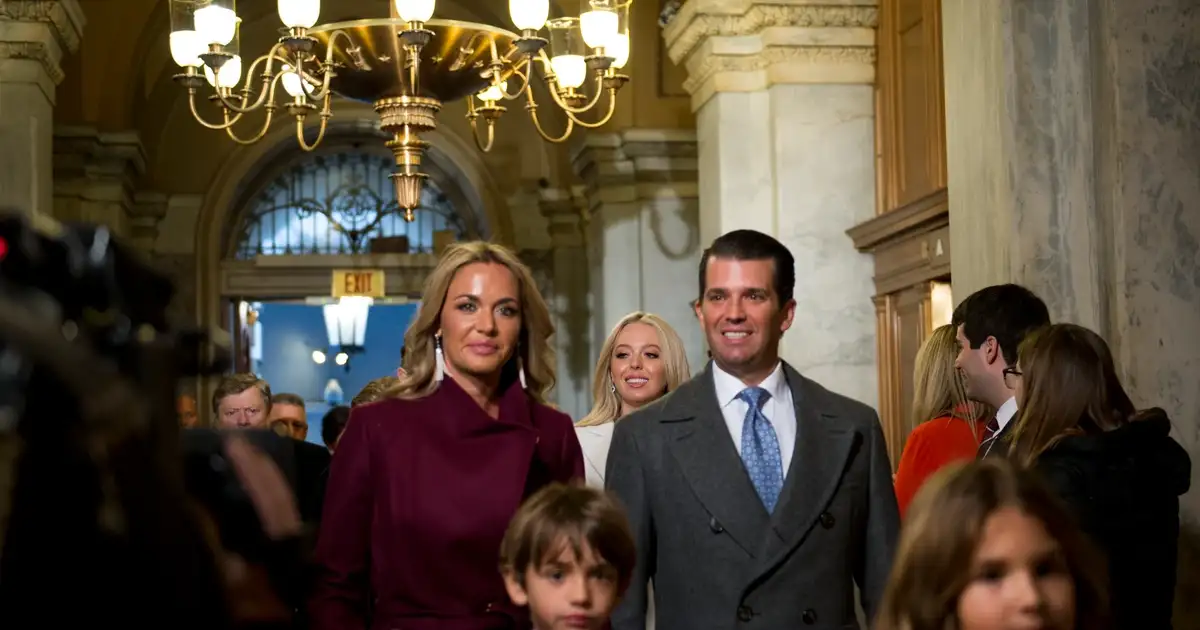
Imagine a child’s graduation: cap and gown, proud parents, a future brimming with possibility. Now, picture that joyous occasion suddenly overshadowed by a serious health battle. While specific details around a rumored cancer diagnosis for Vanessa Trump, mother to Kai Trump, remain private, this notion thrusts a harsh spotlight on an uncomfortable truth: even within the gilded cages of influence, life delivers blows money and power can’t always soften. This collision of celebration and crisis isn’t just dramatic. It’s a profound, often overlooked, human story. This isn’t merely about one family’s private pain; it’s a stark examination of public expectation, the relentless drive for narrative control, and the often-ignored toll such events inflict on the younger generation caught in the crossfire. Graduation week is a sacred rite of passage, a celebration of achievement and new beginnings. To have that moment potentially eclipsed by the weight of a parent’s serious illness isn’t just tragic; it’s a visceral reminder that beneath the political headlines and social media fanfare, real people grapple with universal human struggles, often in the most vulnerable stages of their lives.The Silent Epidemic: Youth Mental Health in the Shadow of Crisis
A family health crisis, particularly something as terrifying as a cancer diagnosis, doesn’t just affect the patient. It sends shockwaves through every member, none more acutely than the children and young adults reaching their own developmental milestones. For a teenager like Kai Trump, celebrating a major academic achievement, the emotional burden of a parent’s serious illness can be immense. It’s a stark collision of youthful joy and existential dread. This psychological tightrope walk is one no young person should have to undertake. Youth mental health is already a public health crisis spiraling out of control. Studies from organizations like the Centers for Disease Control and Prevention consistently show staggering rates of anxiety, depression, and suicidal ideation among adolescents and young adults. These issues are exacerbated by everything from relentless social media pressures to global uncertainty. Layering the destabilizing force of a parent’s life-threatening illness onto this fragile foundation multiplies the risks exponentially. Young people are often expected to be resilient, to “step up” and maintain a brave face. Yet, their internal worlds can crumble under anticipatory grief, profound fear, and immense pressure. This is a burden few adults could carry with grace, let alone those just beginning independent lives. We must ask ourselves: what kind of support are we truly offering them?The Optics of Empathy: When Private Pain Becomes Public Strategy
The immediate reaction to any potential family health crisis involving public figures is often an outpouring of support, a public display of unity. Genuine human empathy is a powerful force, and rightly so. But for families steeped in the political arena, a secondary, more complex layer always exists: the strategic projection of strength, resilience, and humanity. When a prominent family “rallies,” it’s not merely an act of love; it’s a strategic assertion of control over a narrative. This control prevents a spiral into weakness or vulnerability, as the actual leverage here isn’t just emotional, it’s political. A health crisis, especially one involving a matriarch, profoundly humanizes a family often perceived as impervious or purely transactional. It generates sympathy and can deflect criticism, offering a momentary reprieve from political skirmishes. The cynical truth, from a communications standpoint, is that such personal battles, when made public, offer a unique opportunity for image rehabilitation and a narrative reset. Money and power aren’t just for treatment; they’re also for shaping the story and curating public perception. The crucial question isn’t just *if* the family rallies, but *how* they will use this experience for a broader public good. Will this potential personal tragedy translate into sustained, vocal advocacy for cancer research or mental health support services for children? Or will it remain a private struggle, occasionally glimpsed through sympathetic headlines, but ultimately used to humanize rather than galvanize change? We’ve seen it before: a public figure faces a health challenge, and for a fleeting moment, the focus shifts to the disease itself. Too often, the momentum fades, and the personal story remains just that – personal. The real follow-up, the true measure of impact, is whether such an event sparks a lasting commitment to addressing systemic issues. This affects millions of other families who lack the platform or resources of a Trump. We watch to see if the rallying cry extends beyond the immediate family circle to advocate for those who truly need a voice. Or if it remains another chapter in a carefully managed public persona. The challenges faced by prominent families resonate far beyond their inner circles. They hold a mirror up to societal expectations, the silent struggles of youth, and the often-unfulfilled promise of public advocacy. Whether this rumored crisis brings sustained attention to youth mental health or cancer support, or simply becomes another fleeting headline, is yet unknown. But the weight of it, for Kai Trump and countless others like him, is undeniably real. It’s a weight we, as a society, have a responsibility to acknowledge and alleviate, not just observe from a distance.Source: Google News