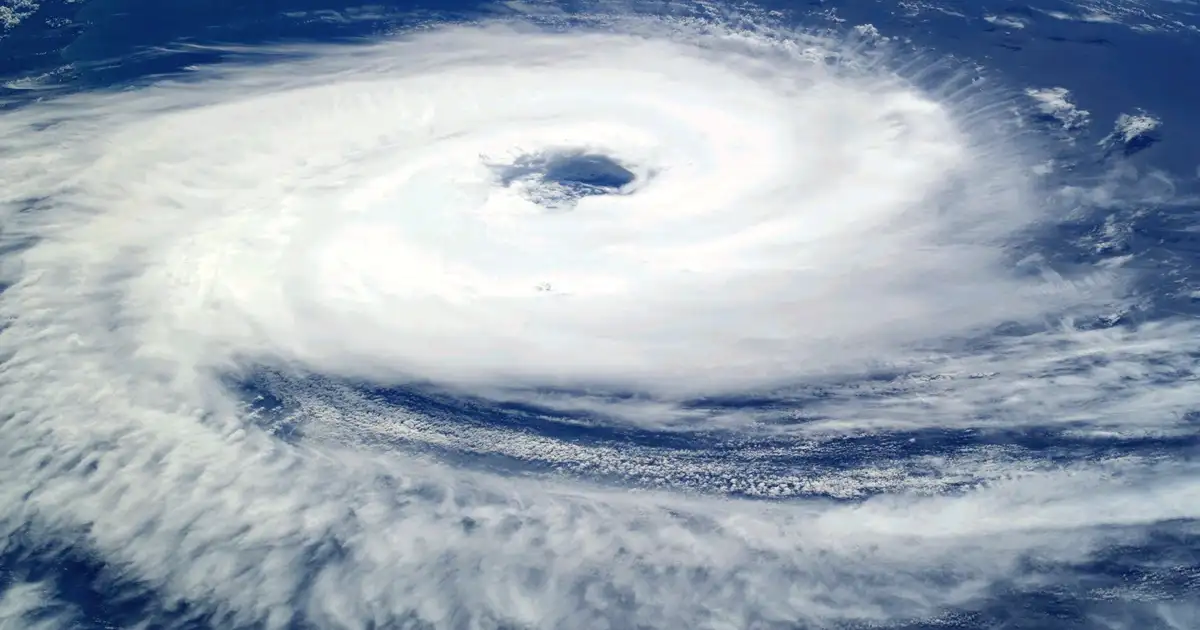

The whistle has blown, and the playbook is open. Millions across the United States face an imminent threat, not from an opposing team, but from an Atlantic hurricane season poised to unleash devastation. This isn’t merely a weather forecast; it’s a code red, a tactical warning for every resident on the coastline.
NOAA dropped the hammer on May 19, 2026, delivering a forecast that demands immediate attention. They predict an “extremely active” season ahead, with a disturbingly high probability of a major hurricane making a direct hit on the U.S. coast. This isn’t speculation; it’s a data-driven projection from the nation’s top atmospheric scientists.
Following this dire outlook, FEMA Administrator Deanne Criswell issued a nationwide advisory on May 20. Her message was clear and unequivocal: finalize emergency plans now. Disaster kits and ironclad evacuation routes are no longer suggestions; they are critical components of your survival strategy. The time for waiting is over.
The Storm Front is Forming: A Perfect Storm Scenario
The Atlantic Ocean isn’t just warm; it’s a boiling pot, registering record-high sea surface temperatures. Think of it as an immense, supercharged fuel tank, ready to feed any nascent storm system with an almost limitless supply of energy. This isn’t just an anomaly; it’s a significant accelerant for hurricane development and intensification.
Adding to this volatile mix is the developing La Niña pattern. For those unfamiliar with the meteorological playbook, La Niña typically means significantly less wind shear in the Atlantic basin.
Without strong wind shear to tear them apart, storms can not only form but also strengthen, and strengthen rapidly, into formidable forces of nature. This combination of superheated waters and reduced wind shear creates a near-perfect environment for hurricane growth, a scenario that should put every coastal community on high alert.
NOAA’s numbers are grim, yet precise. They project a staggering 17-25 named storms for the season. Out of these, they expect 8-13 hurricanes, with a chilling 4-7 major hurricanes also on the table.
To put this in perspective, the historical average pales in comparison to these figures, underscoring the severity of the upcoming season. These aren’t just statistics; they represent potential catastrophic events.
Dr. Rick Spinrad, NOAA Administrator, didn’t mince words when he delivered this forecast.
All indications point to an extremely active hurricane season this year, with conditions ripe for rapid intensification. We cannot stress enough the importance of preparedness. Don’t wait until a storm is bearing down on you.
This is not a drill, nor is it hyperbole. The experts are calling their shot with the precision of a seasoned quarterback. We need to listen, and more importantly, we need to act.
FEMA’s Playbook for Disaster: Pre-positioning and Coordination
FEMA is already moving pieces on the board, executing its strategic playbook in anticipation of the onslaught. They are pre-positioning critical supplies, deploying personnel, and coordinating resources with state and local emergency management agencies. They understand the gravity of the situation and are preparing for the worst-case scenario.
Administrator Criswell’s call for immediate action was not a suggestion; it was a direct command from the frontline of disaster preparedness.
This is not a drill. The science is clear, and the threat is real. Every family and business in a hurricane-prone area needs to have a plan in place today. Your inaction could cost lives and livelihoods.
State governors are echoing these urgent warnings, understanding the immense stakes involved. Florida Governor Ron DeSantis has held multiple briefings, mobilizing state resources and urging residents to prepare. Similarly, Louisiana Governor Jeff Landry has been proactive, emphasizing the need for robust community and individual preparedness. These leaders know from bitter experience the devastation that these storms can unleash.
The Gulf Coast and the Southeast regions are perpetually in the crosshairs, having felt the brutal wrath of major storms countless times before. They understand the profound devastation, the staggering economic cost, and the arduous, multi-year recovery process.
The lessons learned from past disasters, etched into the very fabric of these communities, must inform our actions today.
Remember Hurricanes Katrina and Harvey? These weren’t just names in a news cycle; they were cataclysms. Each cost over $125 billion in damages, not to mention the immeasurable human toll.
A single, powerful storm has the capacity to wipe out entire communities, obliterate livelihoods, and set back recovery efforts for years, if not decades. The price of complacency is simply too high.
Your Game Plan: Prepare NOW, Not Later
So, what’s your next move? What tactical steps should you be taking right now to prepare for a potentially devastating hurricane season? This isn’t about panic; it’s about smart, calculated, and proactive preparation. This is your personal game plan, and executing it flawlessly could be the difference-maker.
- Develop a Family Emergency Plan: This is your essential playbook. Designate clear meeting spots both inside and outside your immediate area. Ensure every family member knows emergency contacts by heart. Figure out how you will communicate if phone lines and internet services are down. Practice this plan regularly, just like a fire drill.
- Assemble a Disaster Kit: Stock up on critical supplies for a minimum of 3-7 days. Non-perishable food items are paramount, along with at least one gallon of water per person, per day. Include essential medications, flashlights, a NOAA weather radio, and plenty of fresh batteries. Don’t forget a comprehensive first-aid kit. Keep important documents (insurance policies, IDs, birth certificates) safe, waterproof, and easily accessible. Always have some cash on hand, as ATMs and credit card systems may be inoperable.
- Know Your Evacuation Zone and Route: This is non-negotiable. Find out if your home is located in an official evacuation zone. Understand your local evacuation routes and identify alternative paths. Don’t wait for a mandatory order; know where you will go and have a pre-determined destination in mind, whether it’s a friend’s house inland or a designated shelter.
- Review Insurance Policies: Call your insurance company today. Understand the specifics of your coverage for both wind and flood damage. Crucially, remember that flood insurance often has a mandatory 30-day waiting period before it becomes active. Do not get caught without this vital protection. Procrastination here is a catastrophic error.
- Secure Your Home: This is about protecting your biggest asset. Trim any dead or overhanging tree branches near your house. Secure all loose outdoor items – anything that can become a projectile in high winds. Consider investing in storm shutters, or at the very least, have plywood cut and ready for all windows and glass doors in high-risk areas. Every preventative measure you take now reduces potential damage.
These actions are not optional recommendations. They are mandatory, tactical imperatives. They represent your first, best line of defense against the destructive power of a major hurricane. They can save lives, protect your property, and significantly reduce the stress and chaos of a storm event.
Fighting Warning Fatigue: The Most Dangerous Opponent
Some folks might roll their eyes, dismissing these warnings as just another season of “crying wolf.” This phenomenon, known as “warning fatigue,” is perhaps the most dangerous opponent we face.
It’s a mindset that breeds complacency, and this year, it’s a mindset we simply cannot afford. The science is screaming a clear, unambiguous message: this year is different, and the threat is exceptionally real.
Beyond individual preparedness, coastal businesses must also step up their game. They must rigorously assess their business continuity plans, protect their assets, and ensure their employees are prepared. The economic hit from a major storm is brutal, often crippling local economies for extended periods. Proactive measures now can mitigate significant financial losses later.
The insurance industry, ever attuned to risk, is watching this forecast closely. Expect premiums to climb higher, and coverage in vulnerable areas to become even tougher to secure. The market reacts decisively to increased risk, and the projections for this hurricane season signal a substantial uptick in potential claims.
We’ve seen the damage from Ida, Laura, Michael, Maria, Irma, Harvey, and Katrina. These storms are not just names in a historical ledger; they are stark, brutal reminders of raw, unbridled power.
They vividly illustrate the incredible human and economic cost of complacency, of failing to heed the warnings. Each one serves as a devastating object lesson.
This forecast is a direct order from the highest levels of meteorological and emergency management expertise. It’s time to get off the sidelines and into the game.
Get your game face on, execute your personal playbook, and prepare for the season ahead with the seriousness it demands. Your safety, your property, and your future depend on it. Don’t just hope for the best; prepare for the worst, and come out on top.
Source: Google News