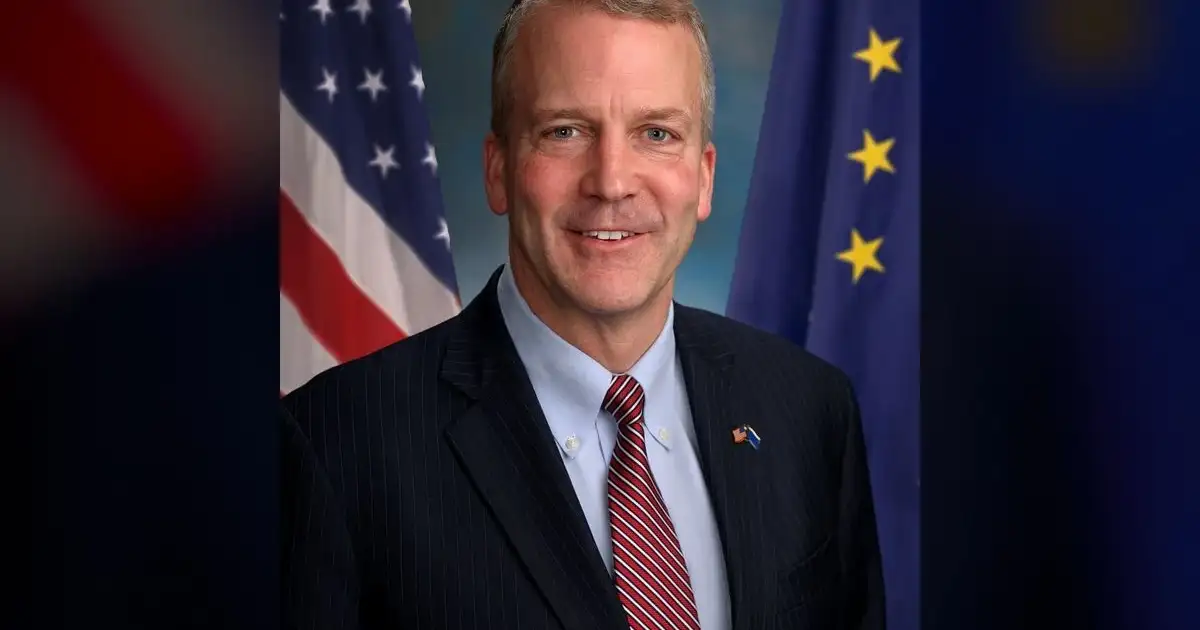

The architect of a costly, active war in Iran, Alaska Senator Dan Sullivan, now finds himself in a rather undignified, indeed, almost farcical position: reportedly soliciting donors for gas money. This isn’t just a trivial anecdote; it’s a glaring, stomach-churning emblem of D.C. hypocrisy that should outrage every American struggling to make ends meet.
Senator Dan Sullivan, a Republican from Alaska, has consistently been one of the loudest, most hawkish voices demanding a robust American military presence abroad. He has relentlessly advocated for confronting nations like Iran with overwhelming force. Now, with the U.S.-Iran war actively raging, a conflict he championed, Sullivan apparently needs help paying for his own fuel. The disconnect is not merely ironic; it’s an insult to the intelligence of the American public.

The War Hawk’s Empty Tank: A Study in Contradiction
The United States and Israel launched military strikes against Iran on February 28, 2026, initiating a conflict that continues to escalate. The Strait of Hormuz, a critical global choke point, remains a volatile flashpoint, underscoring the gravity of the situation.
Senator Sullivan, a former Marine, holds a powerful seat on the Senate Armed Services Committee. His foreign policy stance has been unwavering: a muscular American military must aggressively confront perceived threats from Iran, even at the cost of direct military engagement. His position is not merely clear; it is dogmatic, a consistent drumbeat for confrontation.
Yet, amidst this serious global conflict—a conflict that directly reflects his policy prescriptions—the senator is, astonishingly, asking for gas money. This isn’t about nuanced policy debate; it’s about a profound, almost farcical, disconnect between rhetoric and the grubby reality of personal finance.
Consider the sheer audacity: a man who champions deploying American sons and daughters to a faraway, dangerous land, committing billions of taxpayer dollars to war, finds himself seemingly unable to manage his own fuel expenses. He expects wealthy benefactors to foot the bill for his daily commute, presumably to the very halls of power where he advocates for war. It’s not just an insult; it’s a contemptuous slap in the face to every taxpayer struggling at the pump, balancing household budgets while funding his grand geopolitical visions.
Who Pays for the War, Who Pays for the Gas? The D.C. Double Standard
The war in Iran isn’t an abstract concept; it’s a grim reality costing American taxpayers untold billions every month. Our soldiers, sailors, and airmen are deployed, facing real dangers and making ultimate sacrifices. Families across the nation live with the gnawing fear for their loved ones overseas, praying for their safe return from a conflict many feel was avoidable.
Meanwhile, in the insulated bubble of Washington, D.C., a senator who voted enthusiastically for military action faces a rather different kind of personal crisis: his fuel expenses. This stark contrast lays bare the cynical truth of how power operates in this country, exposing a system where sacrifice is demanded of the many, but rarely from the few at the top.
While the everyday American shoulders the crushing burden – paying for the war through their taxes, enduring inflated gas prices, tightening their belts, and making genuine sacrifices – the architects of these policies seem to operate under an entirely different set of rules. They expect someone else to pay their way, embodying a profound sense of entitlement. This isn’t merely about a few dollars for gas; it’s about a deeply ingrained mindset that prioritizes personal convenience and political patronage over public trust and fiscal responsibility.
The Donor Class and Washington’s Transactional Politics
Who, precisely, are these donors Senator Sullivan is so shamelessly courting for his automotive needs? Rest assured, they are not the hardworking families of Alaska, struggling to make ends meet. They are, unequivocally, the very special interests who stand to profit handsomely from his hawkish policies and the ongoing conflict he championed.
The predictable cast of characters includes defense contractors, corporate lobbyists, and wealthy Political Action Committees (PACs). These groups don’t just ‘pour money’ into campaigns; they invest, expecting a significant return on their political capital.
This return often comes as favorable legislation, lucrative contracts, and continued influence. Is his “gas money” plea a subtle signal, perhaps? It could be a not-so-gentle reminder to his benefactors that their continued support is expected, even demanded, to keep his political machine, and his car, running.
This is the cynical game played behind Washington’s closed doors. Its devastating effects ripple through the lives of every American.
Senator Sullivan’s unwavering advocacy for a robust American military isn’t just about abstract national security; it’s a direct pipeline to massive, lucrative contracts for defense companies. These same companies, predictably, reciprocate by becoming major political donors, ensuring their favored politicians remain in power and their interests are protected, often at the expense of the public good. The cycle is a grotesque, self-perpetuating machine: politicians push policies that enrich specific industries, those industries fund the politicians, and the American taxpayer is left to foot the colossal bill, both in blood and treasure.
The Crushing Cost of Being Out of Touch
Soaring gas prices remain a crushing burden for millions of Americans, a constant reminder of economic insecurity. Relentless inflation erodes the value of every paycheck, forcing families to make agonizing choices between necessities like food, rent, and medical care. For a senator, particularly one championing foreign wars, to publicly or privately solicit funds for something as basic as gasoline is not merely a ‘slap in the face’; it’s an outright act of contempt.
It lays bare the profound chasm separating D.C. elites from the lived realities of ordinary Americans. This demonstrates an almost willful ignorance of their struggles. The political fallout from such an act is catastrophic.
How can a senator who demands the nation commit billions to fight wars abroad ostensibly fail to manage his own modest household budget? This isn’t just about poor ‘optics’; it raises profound, unsettling questions about his judgment, priorities, and fundamental fitness for public office.
This isn’t merely about a few dollars for fuel; it’s a stark symbol of the accelerating erosion of public trust. It speaks to a political system grotesquely skewed, one that lavishly rewards those who master the cynical game of influence and fundraising, rather than those genuinely committed to serving the people who elected them.
Accountability: A Fading Ideal in the Capital
Will Alaskan voters truly grasp the implications
Source: Google News