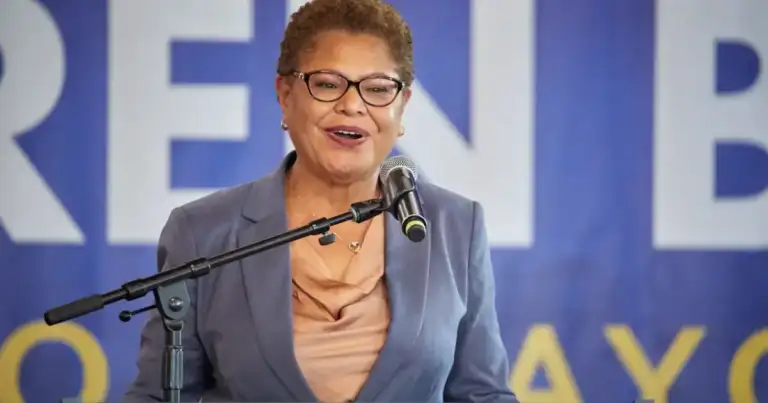

Forget the politeness, forget the platitudes. The Los Angeles mayoral race isn’t a parade; it’s a brutal, fourth-quarter street fight, a bare-knuckle brawl for every last yard, every single vote. Today, three contenders are locked in a desperate, last-second scramble, and the final whistle is about to blow.
Incumbent Mayor Karen Bass, challenger “Pratt,” and City Councilmember Nithya Raman are neck-and-neck, locked in a statistical dead heat. Polls opened early on June 2, 2026, across Los Angeles, and the stakes couldn’t be higher. This isn’t just an election; it’s a defining moment that will chart the city’s course for years to come.
The Final Drive: Who Has the Ball?
The past 48 hours have been an absolute full-court press, a relentless blitz from all sides. Every campaign unleashed aggressive Get Out The Vote (GOTV) operations, turning the city into a battleground of phone calls, text messages, and door-to-door canvassing. There was no off-season in this final push; it was non-stop, high-octane campaigning.
On June 1, 2026, Mayor Bass rallied her loyal supporters city-wide, a veteran quarterback commanding her huddle. She hammered home her established record on homelessness initiatives and public safety, refusing to concede an inch. Her campaign dropped new digital ads, featuring national Democratic heavyweights, signaling the institutional power backing her play.
Her campaign urged voters to support experienced leadership. Bass wants continuity, a steady hand guiding the city.
“Pratt” countered with a massive, no-holds-barred ad blitz, saturating broadcast and digital platforms like a relentless air raid. “Pratt” promised nothing less than a complete economic revitalization, a bold claim designed to shake up the status status quo. A pledge to “clean up City Hall” became a key message, a direct challenge to the establishment.
Raman’s team, meanwhile, mobilized a huge volunteer army, a grassroots ground game that swarmed progressive neighborhoods. Raman focused relentlessly on social justice and ambitious environmental policies, offering a bold, transformative vision for change that resonated with her base.
The Playbook for Victory
Each candidate is running a distinctly different offense, each trying to sway those crucial, final undecided voters before the clock runs out.
Bass: The Veteran Quarterback
Karen Bass plays the experience card, and she plays it hard. Her campaign paints her as the stable leader, the proven hand. They highlight her federal connections, her ability to handle complex political landscapes. She’s presented as the one who tackles the city’s toughest problems head-on, a seasoned pro who doesn’t shy from a challenge.
Her supporters point to tangible progress, not just promises. A slight but significant drop in unsheltered homelessness is a key talking point, a clear metric of her impact. Targeted investments in public services demonstrate effective leadership, they argue. For her base, she isn’t just a choice; she’s the only choice for stability, the only one who can keep the city progressing without fumbling the ball.
“Pratt”: The Disruptor
“Pratt” is the quintessential outsider, the ultimate wildcard in this race. Coming from a business background, “Pratt”‘s campaign promises fresh ideas and ruthless efficiency, a complete shake-up of city government as we know it. This isn’t about incremental change; it’s about a fundamental shift.
Supporters are drawn to “Pratt”‘s unwavering commitment to fiscal discipline and a tougher stance on crime, a direct appeal to those fed up with the current state of affairs. Cutting bureaucratic red tape isn’t just a pledge; it’s a battle cry. The goal is clear: ignite economic growth and inject a much-needed dose of accountability. They see “Pratt” as the necessary disruptor, the one to finally break through the gridlock.
Raman: The Progressive Blitz
Nithya Raman stands as the unequivocal voice of the progressive movement, a relentless force pushing for systemic change. She advocates for nothing less than a fundamental reordering of priorities, focusing on tackling entrenched inequality and the existential threat of climate change. Innovative housing solutions are not just central to her platform; they are the bedrock of her vision.
Raman’s base is a formidable coalition of younger voters and passionate progressive activists who demand a more equitable, sustainable city. They see Bass as too centrist, too slow to adapt, and dismiss “Pratt” as a corporate pawn, out of touch with the real needs of Angelenos. Raman offers a clear alternative, a bold, uncompromised path forward.
The Numbers Game: A Tight Score
The latest polls confirm what everyone on the ground feels: this race is down to the wire, every single yard line a potential game-changer.
- A May 31, 2026, LA Times/USC Poll showed Bass clinging to a narrow lead at 34%.
- “Pratt” was right behind, breathing down her neck at 32%.
- Raman held strong, refusing to be counted out, at 29%.
- A crucial 5% remained undecided, making them the ultimate swing voters, the ones who will decide this contest.
- With a margin of error of +/- 3.5%, this isn’t just close; it’s a statistical toss-up. Anything can, and likely will, happen.
Cash on the Field
Campaign finance reports reveal the true financial muscle behind each contender. “Pratt“‘s campaign dramatically outspent rivals in the last two weeks, reflecting significant self-funding and robust contributions from the powerful real estate and business sectors. This wasn’t just spending; it was an investment in victory.
Bass, meanwhile, relied on the traditional Democratic donor network, with labor unions and established PAC support proving vital to her war chest. Raman, ever the grassroots champion, boasted the highest number of small-dollar donations, a clear indicator of her popular appeal. This isn’t just a battle of ideas; it’s a clash of financial strategies.
Voter Turnout: The X-Factor
Voter registration data shows a slight bump in younger voters, a demographic Raman’s campaign targeted with surgical precision. Yet, the old adage remains: older, more reliable voters typically have higher turnout, and they tend to lean towards Bass or “Pratt.” The question is, can Raman’s ground game overcome this traditional hurdle?
The dominant issues driving voters to the polls are starkly clear. Homelessness worries a staggering 70% of voters. Public safety is a top-tier concern for 65%. And housing affordability impacts a massive 60% of Angelenos. These aren’t just statistics; these are the issues that will ultimately decide who gets the keys to City Hall.
Who Holds the Momentum?
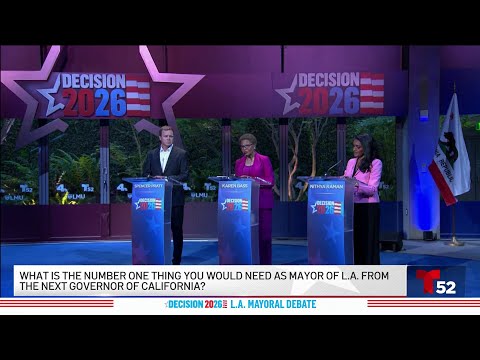
The final debate was a slugfest, a no-holds-barred exchange of jabs and counter-punches. Each candidate immediately claimed victory, weaponizing clips for social media attacks in a desperate bid to control the narrative. This race isn’t just about local governance; it’s a microcosm of the Democratic Party’s internal struggles, a clash of ideologies playing out on the national stage.
Bass represents the established center-left, the pragmatic approach. Raman is the insurgent progressive, demanding radical change. “Pratt” offers a business-friendly challenge, a potential spoiler drawing votes from a broad base of disaffected residents. The outcome will not only signal Los Angeles’s political future but could send ripples across urban politics nationwide.
This isn’t merely about who sits in the mayor’s office. It’s about who controls the city’s massive budget, a multi-billion-dollar purse. It dictates the direction of future development projects, shaping the very skyline of the city. Big money and big power are absolutely at stake here, a prize worth fighting for with every fiber of political will.
Los Angeles faces gargantuan challenges, and the next mayor will be tasked with steering the nation’s second-largest city through turbulent waters. This election isn’t just local; it’s a national bellwether, a critical indicator of urban politics and power in 21st-century America. The game is on, and the winner takes all.
Source: Google News