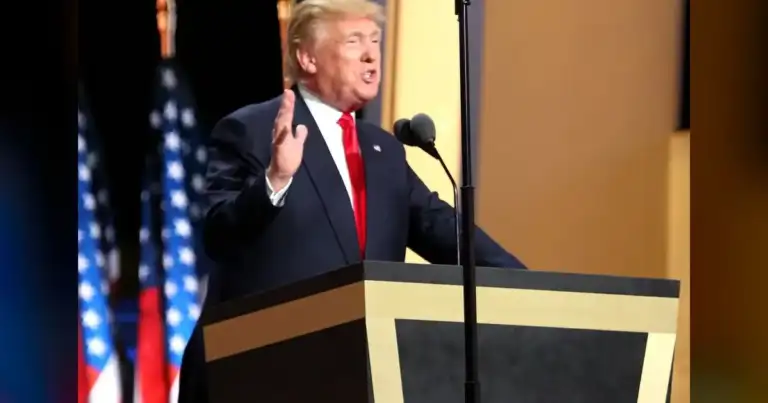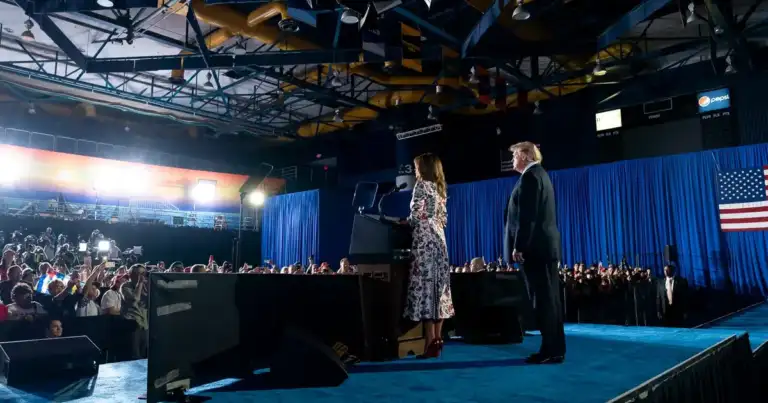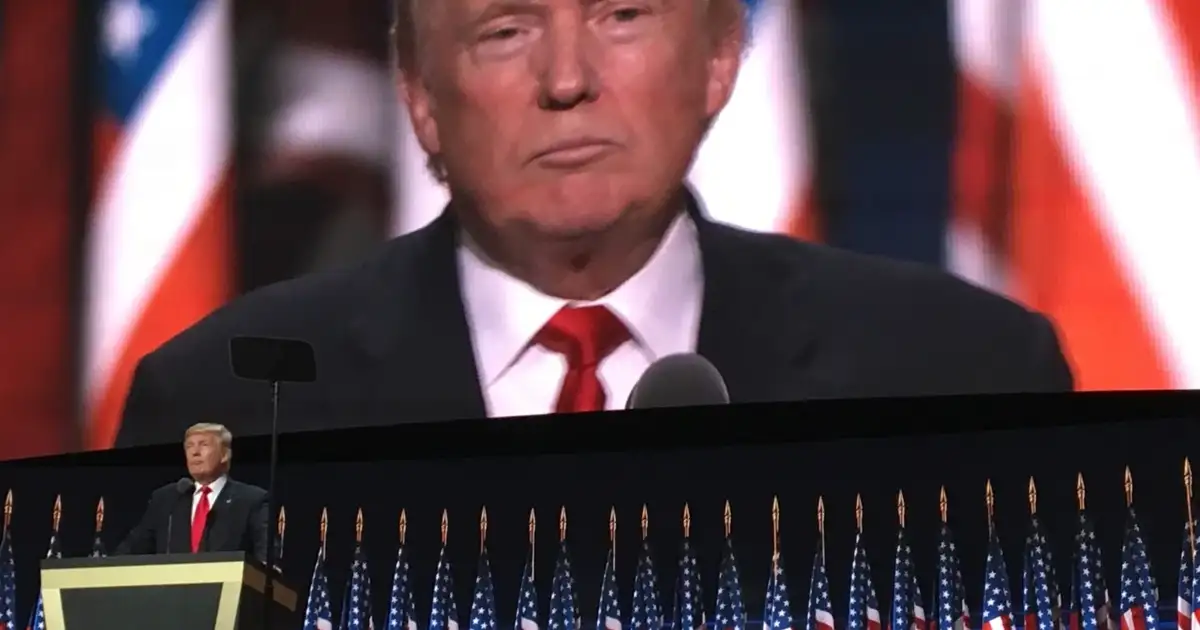

The fanfare for America’s 250th birthday has been abruptly silenced, not by a technical glitch or logistical nightmare, but by a presidential decree. President Donald Trump, with characteristic bluntness, has effectively torpedoed the nation’s planned Semiquincentennial concert in 2026, dismissing prospective performers as “boring, overpriced singers” and deriding the entire grand event as akin to the “troubled Kennedy Center.” This isn’t just a cancellation; it’s a political broadside that obliterates years of meticulous planning and casts a long shadow over a milestone meant to unite, not divide, the country.
This decision isn’t merely a spontaneous outburst; it’s the culmination of a deliberate, calculated strategy. It arrives precisely as Trump-aligned Republican lawmakers have dramatically intensified their efforts to not only defund but fundamentally restructure the America250 Commission, the official federal body tasked with coordinating the nationwide celebrations.

Their primary, and increasingly vocal, grievance centers on the Commission’s perceived embrace of a “divisive” interpretation of American history – a narrative they staunchly oppose in favor of one emphasizing “patriotic exceptionalism.” This isn’t a debate; it’s a battle for the soul of the nation’s historical memory, fought on the very eve of its quarter-millennium.
The Birthday Bash Becomes a Political Football
The America250 Commission was Congress’s bipartisan brainchild, conceived with the noble aim of orchestrating a series of commemorative events – educational programs, public initiatives, and cultural celebrations – leading up to and culminating on July 4, 2026. The original vision was grand: to reflect on America’s past, celebrate its present, and inspire its future, fostering a shared sense of national identity. Now, that vision lies in tatters, sacrificed on the altar of partisan warfare.
Trump’s outsized influence has irrevocably transformed what should have been a unifying national milestone into a bitter political football. His “America First” cultural agenda, a potent blend of populist grievance and conservative ideology, now dictates the narrative for even the most sacrosanct national observances. Conservative lawmakers, ever eager to align with the former President’s base, have fallen in line, weaponizing the anniversary for political gain.
GOP hardliners are not merely threatening the America250 Commission’s funding; they are actively dismantling its mandate. They claim the programming promotes “woke” history, a thinly veiled pejorative for any historical account that acknowledges America’s complexities and contradictions. This echoes Trump’s past criticisms of institutions he deems “un-American” or too “liberal” in their outlook.
The National Review
The Commission’s operational lifeline is its reliance on federal appropriations. These funds are not mere bureaucratic overhead; they are the essential lifeblood supporting a vast network of state and local efforts, national campaigns, and critical historical preservation projects.
Without this federal seed money and logistical backbone, countless planned initiatives – from museum exhibits to community festivals – are simply untenable. Now, those funds are not just at risk; they are under direct assault.
Prominent Republicans, channeling Trump’s incendiary rhetoric, have vowed to block or severely cut these allocations. Their demand is clear: a “balanced” or “pro-American” historical perspective, as they define it – a narrative that often whitewashes uncomfortable truths and prioritizes triumphalism over critical introspection. This isn’t about historical accuracy; it’s about ideological purity and control over the national story.
Who Pays the Price for Political Games?
This relentless political maneuvering has plunged hundreds of organizations across the country into utter chaos. Historical societies, local museums, educational non-profits, and grassroots community groups, many of whom have diligently planned events for years, are now left in an agonizing limbo. Their grant applications are stalled, their partnerships jeopardized, and their long-term visions abruptly curtailed.
The very real threat of defunding means that countless meticulously planned projects, designed to engage diverse communities and illuminate different facets of American history, will simply die on the vine. Federal seed money and logistical support are not just helpful; they are absolutely crucial for these often under-resourced entities. Without it, these ambitious plans, conceived in good faith, are unequivocally toast.
Trump’s direct criticism of “boring, overpriced singers” is more than just a casual insult; it’s a calculated populist jab at perceived cultural elites. His comparison of the event to the “troubled Kennedy Center” signals a broader, more insidious attack targeting established cultural institutions he views as part of the “establishment.”
The Kennedy Center, a beacon of arts and culture, represents exactly the kind of institution that often embraces a more inclusive, diverse narrative – precisely what Trump and his allies seek to dismantle or control.
This isn’t about the quality of the music or the solvency of a cultural landmark; it’s about asserting a specific, narrow version of American identity, shaping public discourse, and consolidating power before 2026. It is, in essence, a blatant, unapologetic power play.
The Erosion of Shared Heritage
The politicization of America’s 250th birthday is more than just an unfortunate development; it’s a profound slap in the face to millions of Americans who believe in a more expansive, inclusive national story. It alienates huge swathes of the American public and shreds any lingering hope for bipartisan unity around a moment that should transcend political divides.
A comprehensive, honest look at history – one that embraces its complexities, challenges, and triumphs – is not merely desirable; it is absolutely vital for a mature nation. Ignoring these difficult, often uncomfortable, parts of our collective past makes the anniversary meaningless, reducing it to mere propaganda, devoid of genuine reflection or learning.
This move costs taxpayers twice over. First, the significant federal and state funds already spent on planning, research, and initial infrastructure for these now-canceled or jeopardized projects are effectively wasted.
Second, the federal funding that will now be withheld or redirected impacts local economies, starving cultural institutions and educational programs that rely on these allocations. It’s a double blow to the public purse and public good.
The “America First” agenda, in this context, ironically means “America Last” for many, prioritizing ideological purity over national unity. It places immediate political points ahead of genuine, meaningful commemoration, sacrificing a shared heritage for partisan advantage.
The argument about “woke” history, a term weaponized to shut down uncomfortable conversations, is nothing more than a convenient smokescreen. It’s an excuse, a pretext for a sweeping takeover of the historical narrative, ensuring that only one, sanitized, and often incomplete story of America gets told.
What Happens Next? More Culture Wars and a Fractured Future
The fallout from this effective cancellation will be significant and far-reaching. Many planned events, years in the making, will simply disappear.
Communities, left scrambling, will be forced to seek alternative, often insufficient, funding sources. The national celebration, if it proceeds at all, will feel disjointed, incomplete, and deeply politicized, a shadow of its original promise.
This sets a dangerous, chilling precedent. It starkly demonstrates how easily national events, meant to foster unity and reflection, can be hijacked by political agendas.
Commemoration, once a shared act of remembrance, is now being turned into a weapon in the ongoing culture wars. Trump and his allies are sending an unambiguous message: they control the narrative.
They decide what history is celebrated, what parts of America’s story are acceptable, and what is deemed too “divisive” to acknowledge.
The America250 Commission now faces an impossible choice. It can conform to a narrow, sanitized view of history, abandoning its original, more inclusive mandate, or it can stand firm and face complete defunding and political annihilation. Either way, the original, expansive vision for America’s 250th birthday is effectively dead.
This isn’t just about a concert or a commission’s budget. It’s about who gets to define America for the next generation. It’s about who controls the past, and by extension, who controls the future.
The “boring, overpriced singers” comment is pure Trump – a populist jab at perceived elites, designed to resonate with his base. The “troubled Kennedy Center” comparison targets an established cultural institution, a symbol of the very “establishment” he rails against. It’s all part of the same well-worn playbook, executed with ruthless efficiency.
The true cost of this political maneuver isn’t merely financial. It’s the erosion of a shared national identity, the division sown where unity should thrive, and the chilling message that history itself is mutable, subject to the whims of political power. America’s 250th birthday will now be remembered not for its celebration of a quarter-millennium of nationhood, but for the bitter political infighting that consumed it.
Source: Google News