
Tyler Robinson, the alleged assassin of conservative commentator Charlie Kirk, is banking his defense on a twisted web of “wild conspiracy theories” as his trial officially looms. This isn’t just another defendant facing justice; it’s a stark, terrifying look at how America’s deep political divides are spilling into real-world violence.
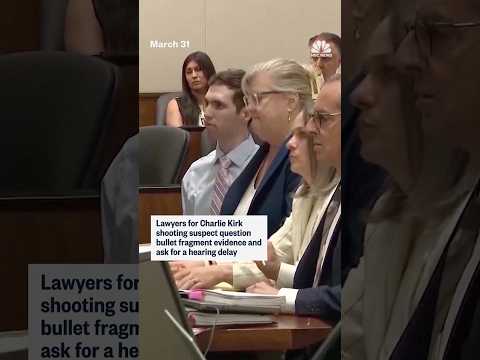
Court filings from the past 48 hours reveal Robinson believes he was exposing a “deep state” plot. His actions, he claims, were justified by his warped interpretation of QAnon-adjacent narratives. This defense strategy, unveiled during a June 4, 2026 pre-trial hearing, aims to put Robinson’s deranged state of mind on full display.
The Delusional Defense Strategy
Robinson’s legal team is not pursuing a straightforward insanity defense. Instead, they are pushing a narrative of deeply held, albeit unconventional, beliefs about government corruption. This move seeks to demonstrate his motivation and potentially mitigate charges or influence sentencing. It’s a desperate play to paint him as misguided, not malicious.
Prosecutors are having none of it. They argue Robinson’s beliefs, no matter how sincere or bizarre, do not excuse his intent to harm Charlie Kirk. The judge is allowing these arguments into consideration but remains skeptical of their legal weight. The trial itself is set to kick off in late June.
“Mr. Robinson’s fantastical beliefs, however sincerely held, do not absolve him of the intent to commit a violent felony,” stated Prosecutor Jane Doe, as quoted by CNN on June 4, 2026. “Our focus remains on the premeditated nature of this alleged plot and the clear danger it posed.”
The defense, however, is digging in. They want the court to see a man radicalized by online echo chambers, not a cold-blooded plotter. Defense Attorney John Smith highlighted this strategy.
“We are presenting a full picture of Mr. Robinson’s state of mind,” said Defense Attorney John Smith to CNN. “Demonstrating how he came to believe he was acting on a higher calling to expose what he perceived as systemic corruption. This is crucial context for understanding his actions.”
This legal tightrope walk highlights a fundamental problem. How do you prosecute intent when the perpetrator lives in a completely different reality? The justice system is now forced to grapple with the mental health crisis intertwined with political radicalization.
Charlie Kirk’s Stance and the Broader Threat
For Charlie Kirk and his organization, Turning Point USA, Robinson is a dangerous extremist. They see this case as proof of escalating threats against conservative voices. Kirk himself has been vocal about the dangers faced by public figures. He believes the mainstream media often demonizes conservatives, fueling such incidents.
“This case is a stark reminder of the threats conservatives face for daring to speak truth,” Kirk posted on social media on June 3, 2026. “We must stand firm against those who seek to silence us through violence, no matter how deluded their motives.”
Kirk’s perspective is not without merit. The FBI and Department of Homeland Security consistently report a rise in threats against public officials. These threats often link directly to extremist ideologies and conspiracy theories. It’s a chilling trend that shows no signs of slowing down.
This case is a wake-up call for everyone. It shows how easily online extremism can jump into real-world violence. It threatens not just public figures but the very stability of our democratic processes. The outcome of Robinson’s trial will undeniably set a precedent for how our courts handle crimes driven by extreme ideological beliefs.
The Precedent of Political Violence
America has a dark history of political violence driven by extreme beliefs. From the assassination of President John F. Kennedy in 1963 to the attempted assassination of President Ronald Reagan in 1981, the pattern is clear. John Hinckley Jr. was found not guilty by reason of insanity in the Reagan case.
More recently, we saw the shooting of Congresswoman Gabrielle Giffords in 2011. Her attacker, Jared Lee Loughner, held anti-government and conspiracy beliefs. In 2017, James Hodgkinson, a fervent critic of Republicans, attacked congressmen during a baseball practice.
These incidents underscore the deadly consequences when extreme ideology turns into violent action. Each time, these events spark debates about mental health, gun control, and the often inflammatory rhetoric in political discourse.
The Robinson case forces us to ask: are we learning anything? Or are we just watching the same tragedy play out with new faces and new conspiracies?
What’s Being Done? The Fight Against Radicalization
Given the terrifying rise of these extreme beliefs, people are asking: what is actually being done to stop similar attacks? How do we de-radicalize individuals before it’s too late? The answers are complex and often insufficient.
- Law Enforcement Focus: Federal agencies like the FBI and DHS are dedicating more resources. They monitor domestic extremism and try to identify individuals at risk. They often work with local police.
- Online Platform Accountability: Social media companies face constant pressure. They are urged to moderate extremist content and identify users promoting violence. Algorithms that amplify radical material are under scrutiny. Yet, their effectiveness remains a huge point of contention.
- Community-Based Programs: Some non-profits and academic groups are creating intervention programs. These programs offer counseling and alternative narratives. They aim to pull individuals back from extremist ideologies.
- Mental Health Support: Experts increasingly push for integrating mental health services. They recognize that vulnerability to radicalization often links to underlying psychological issues. This connection is often ignored until it’s too late.
- Legislative Debates: Congress continues to debate new laws. These aim to address domestic terrorism, hate speech, and disinformation. However, balancing these efforts with fundamental First Amendment protections is a constant, uphill battle.
The problem is not a lack of effort, but a lack of cohesive, effective action. Each initiative faces its own hurdles. The sheer scale of online radicalization overwhelms current systems.
The political will to truly address the root causes often falters.
Tyler Robinson’s trial is more than just another criminal case; it’s a flashing red light on the dashboard of American society. We are witnessing the dangerous fusion of mental fragility, online echo chambers, and extreme political rhetoric. Until we confront this uncomfortable truth head-on, these incidents will keep happening, chipping away at the foundation of this nation.
Photo: Wikimedia Commons (query: Tyler Robinson)
Source: Google News