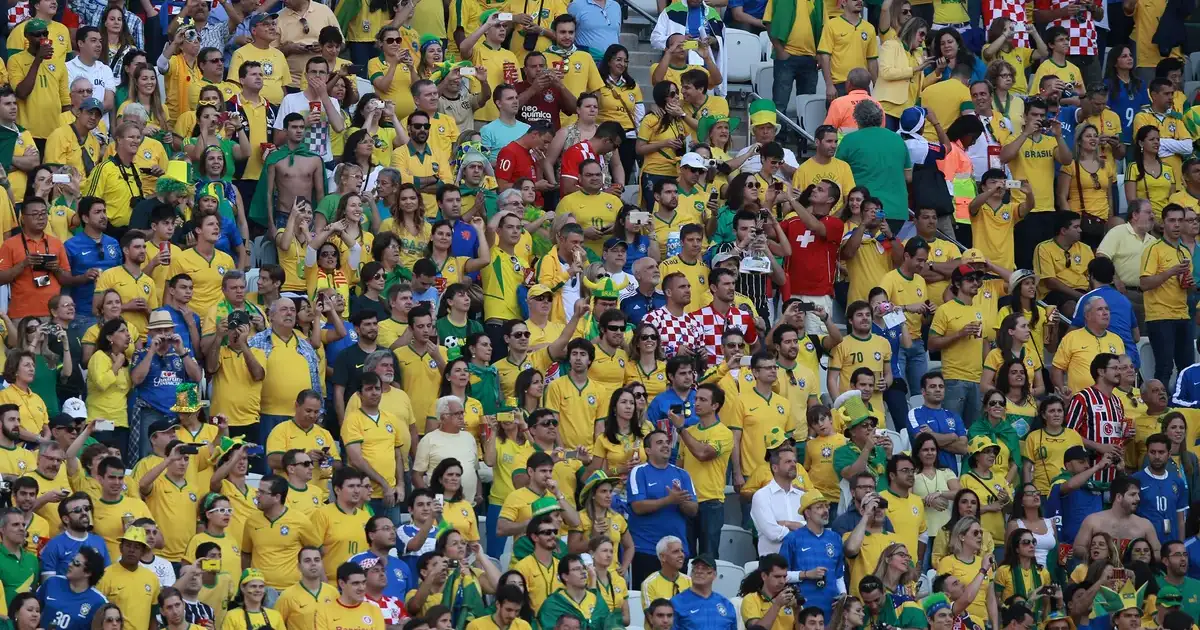

The rumble is building, a continental tremor promising the biggest World Cup in history. But as FIFA gears up for its monstrous 2026 spectacle, the burning question for the host cities isn’t if they’ll deliver, but at what cost?
The 2026 FIFA World Cup isn’t just big; it’s a leviathan, an unprecedented expansion to a staggering 48 national teams. That means a mind-blowing 104 matches will unfold over 39 days.

Across the vast landscapes of the United States, Canada, and Mexico, sixteen cities are already scrambling, their civic leaders grappling with a logistical Everest. Reuters, in a forward-looking dispatch on June 4th, 2026, already paints a vivid picture of the colossal undertaking. Cities like the bustling hub of New York/New Jersey and the sprawling metropolis of Los Angeles find themselves under an intensely scrutinizing global spotlight.
The Scale is Staggering
Colossal doesn’t even begin to describe it. The number of games jumped 62.5% from Qatar 2022. Teams increased by 50%. FIFA, ever the astute business entity, clearly sees dollar signs, projecting over $11 billion in revenue.
Host cities aren’t just dreaming; they’re aggressively banking on massive economic benefits, each anticipating a windfall of $400 million to over $1 billion. This includes a promised surge in tourism, job creation, and local spending. But, as any seasoned traveler knows, the price of such progress often comes with hidden costs.
“The 2026 World Cup is not just an event; it’s a continent-wide undertaking. Every host city is a crucial cog in this massive machine, and their preparedness is paramount,” stated Colin Smith, FIFA Chief Operating Officer – World Cup.
New York Governor Kathy Hochul, ever the pragmatist, echoed the sentiment. “We are confident in our ability to host matches,” she said. “But make no mistake, the sheer scale of this tournament demands constant vigilance, relentless adaptation, and perhaps a touch of divine intervention.”
Cities Under the Microscope
Across the continent, host cities are working not just overtime, but round-the-clock. They’re pouring vast sums into critical infrastructure upgrades: public transport networks are getting urgent facelifts, and iconic stadiums are being enhanced with state-of-the-art facilities.
Security, naturally, is a monumental concern. Cities are implementing intricate, multi-layered plans, deploying enhanced law enforcement presence, advanced surveillance technologies, and fostering crucial international intelligence sharing. It’s a security blanket woven across three nations.
Transportation overhauls aren’t just ‘underway’; they are Herculean tasks. Imagine new, dedicated shuttle services, sophisticated traffic management systems, and a desperate plea for patience. This is especially vital in sprawling urban behemoths like Los Angeles and Dallas. Connecting stadiums, fan zones, and hotels across such distances isn’t just a challenge; it’s a potential logistical nightmare waiting to unfold.
Accommodation presents another beast entirely. Local organizing committees are locked in frantic negotiations with hotels, desperate to secure enough rooms for the expected tidal wave of visitors. And let’s not forget the massive, secure fan zones – veritable temporary cities – being designed to accommodate tens of thousands of daily revelers.
Thousands upon thousands of volunteers will be needed – the unsung heroes of any major event. Each city is frantically planning recruitment and training, equipping them to handle everything from wayfinding confused tourists to translating impassioned fan chants. Without them, managing these titanic crowds would be truly impossible.
FIFA, with its characteristic hawk-like gaze, is watching every move. Their on-the-ground presence has dramatically increased, inspections are more frequent, and coordination efforts are ramping up like a pre-match crescendo. They demand all 16 cities meet their rigorous, often unforgiving, standards.
Inter-city coordination isn’t just paramount; it’s the fragile glue holding this multi-national endeavor together. FIFA and the host nations are attempting to forge robust communication channels, establishing joint operational centers to manage the labyrinthine logistics of team travel and the immense, cross-border fan movement. It’s a diplomatic dance as much as a logistical one.
The Blade’s Take: Worth the Chaos?
This World Cup promises pure spectacle, a carnival of football. More teams undeniably mean broader global representation – a noble goal on paper. But let’s be blunt, shall we? For FIFA, this expansion feels less like an ode to the beautiful game and more like an unapologetic, colossal money grab. But at what point does ambition truly serve the sport, and when does it merely line pockets?
The fan experience, I fear, is where the real sacrifices will be made. Travel distances are not just ‘insane’; they are continent-spanning odysseys, especially within the vastness of the U.S. Accommodation costs will not just ‘skyrocket’; they will breach the stratosphere. Following your beloved team across this gargantuan tournament could easily drain not just your wallet, but your entire life savings.
And what of the players, the gladiators of the pitch? Player fatigue isn’t just a ‘real issue’; it’s a ticking time bomb. A longer, more grueling tournament will inevitably take its toll on bodies and minds. National federations, already stretched thin, will face unprecedented logistical headaches, handling endless flights and unfamiliar territories. This expansion isn’t just pressure; it’s a crushing weight on every single stakeholder.
“The economic benefits are clear,” commented Eric Garcetti, former Mayor of Los Angeles. “But we are also keenly aware of the need to manage the impact on our residents.”
Garcetti, a man who knows the urban pulse, is absolutely right. Beyond the dazzling lights and the roaring crowds, what about the actual residents? The daily commuters stuck in gridlock, the neighborhoods besieged by noise, the ever-present security concerns. It’s not just ‘a lot to ask’; it’s an extraordinary imposition on the fabric of a city.
The Ultimate Test
This World Cup, make no mistake, is FIFA’s ultimate gamble. It’s not just a test; it’s a severe trial for their organizational capabilities. Can an institution often criticized for its top-down approach truly manage an event of such truly epic, sprawling proportions?
The host cities, bless their ambitious hearts, are certainly doing their best. They are spending big, planning bigger, and undoubtedly losing sleep. But the sheer scale of this endeavor remains unprecedented, a tightrope walk suspended precariously between the promise of unforgettable glory and the precipice of utter, unmitigated chaos.
As the countdown begins, we must ask: will this truly be an unforgettable, continent-spanning celebration of the beautiful game? Or will it descend into a logistical nightmare, leaving host cities drained, fans frustrated, and the ‘beautiful game’ itself feeling a little less beautiful? The financial coffers will undoubtedly swell, yet the true impact of this ‘biggest ever’ World Cup on the spirit of football, or if it merely serves as a monument to unchecked ambition, remains an open question.
Photo: Julia Engel
Source: Google News