
For too long, the promise of in-flight Wi-Fi has felt like a cruel joke. We’ve all been there: paying exorbitant prices for internet slower than dial-up, struggling to send a simple email, let alone stream a movie. But get ready to ditch that frustration, because the high-stakes technology rivalry between Elon Musk and Jeff Bezos is finally delivering something truly revolutionary directly to your economy class seat.
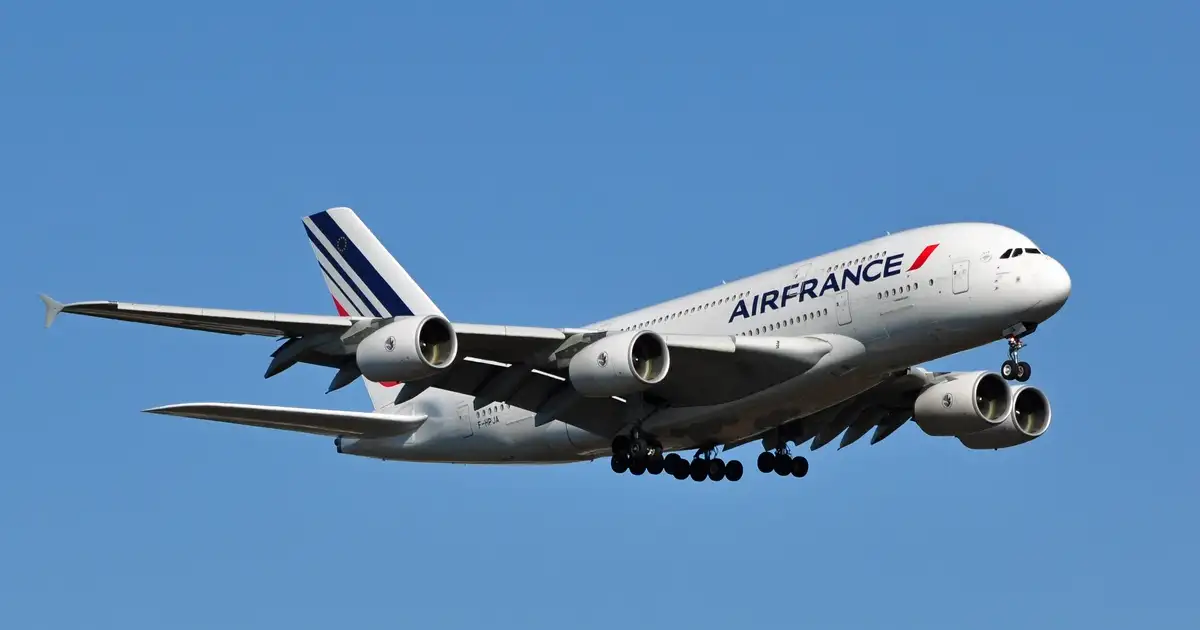
A new front has indeed opened in this billionaire battle, and the first major beneficiary is your flying experience. SpaceX’s Starlink Aviation has just secured a monumental, multi-year deal with Air France-KLM, announced on June 13, 2026. This isn’t just another partnership; it’s a direct, powerful shot in the ongoing “space internet” rivalry, promising to transform air travel as we know it.

The Sky-High Stakes of Connectivity
In-flight Wi-Fi has been notoriously terrible. Streaming was futile, video calls impossible. Even basic web browsing felt like a Herculean task. This disconnect was, for many, the most dreaded part of a long flight.
This deal fundamentally changes that narrative. Starlink promises speeds for seamless streaming, robust video conferencing, and even online gaming. Imagine getting productive work done or unwinding with your favorite show at 30,000 feet. This transforms long flights from a disconnected chore into a productive, enjoyable journey.
- Starlink Aviation is SpaceX’s dedicated service for aircraft.
- It leverages a vast, ever-growing constellation of low Earth orbit (LEO) satellites.
- This cutting-edge technology delivers significantly faster speeds and dramatically lower latency compared to older, geostationary satellite systems.
- The partnership is with the influential European airline group Air France-KLM, signaling a major shift for international carriers.
- The landmark announcement came on June 13, 2026.
Why Low Earth Orbit (LEO) Satellites Are a Game Changer
What makes Starlink’s LEO technology so different? The answer lies in physics. Traditional in-flight Wi-Fi relies on geostationary satellites, orbiting 22,000 miles above Earth. This long distance causes significant latency, the frustrating delay we all know.
Starlink’s LEO satellites, by contrast, orbit just a few hundred miles above the Earth. This drastically shorter distance means signals travel much faster, reducing latency to terrestrial broadband levels. Tens of thousands of Starlink satellites create a dense mesh of connectivity. This ensures high bandwidth for every passenger, even at peak usage, finally delivering on the promise of dedicated, high-speed access.
Bezos vs. Musk: The Real Winner Is You
Elon Musk’s SpaceX has been relentlessly aggressive with Starlink, expanding into residential, maritime, and now aviation markets. Jeff Bezos’s Amazon isn’t far behind with Project Kuiper, its own ambitious plan to launch thousands of LEO satellites. This isn’t just a corporate rivalry; it’s a space race for global connectivity, and consumers are the ultimate beneficiaries.
Both companies are pouring billions into this complex infrastructure. They fiercely compete for market share, driving innovation and improving service quality. This competition will also lead to more competitive pricing over time. Neither company can afford complacency; they must constantly push the boundaries of satellite internet.
“The future of air travel demands seamless connectivity,” stated a spokesperson for Air France-KLM. “Starlink Aviation offers the robust, high-speed solution our passengers expect, aligning perfectly with our commitment to an elevated travel experience.”
The race to connect the skies is undeniably brutal. Starlink has secured a significant head start, rapidly deploying its constellation and signing key partnerships. However, Kuiper has the immense financial backing and logistical prowess of Amazon, making it a formidable challenger. This ensures a dynamic, competitive landscape where innovation thrives.
What This Means for Your Next Flight
The Air France-KLM deal is more than a single contract; it marks a profound shift for major international carriers. This partnership signals the rapid end of unreliable, slow in-flight Wi-Fi. No airline wants to be left behind. Competitors will soon offer lightning-fast connectivity, making outdated experiences unacceptable.
Expect a cascade of similar announcements soon. Airlines will invest heavily, marketing new high-speed Wi-Fi as a premium feature and industry standard. This isn’t just an optional luxury; it’s a fundamental expectation for modern travelers. Soon, streaming your favorite series mid-Atlantic will be commonplace.
Beyond the Clouds: A Truly Connected Future
Musk and Bezos are often portrayed as larger-than-life rivals battling for dominance in space. While that narrative holds true, their competition has a very real, tangible impact on the ground – or rather, in the air. It’s driving technological advancements that directly benefit everyday people, making our lives more convenient, productive, and connected.
The “space internet” war is just getting started. One thing is certain: bad in-flight Wi-Fi will be the first major victim for consumers. This is a battle where the passenger always wins. Get ready for a truly connected journey on your next flight. Your laptop, tablet, and smartphone are about to become fully functional travel companions, no longer relegated to offline mode.
Source: Google News