

The Echoes from Washington Hit Apulia
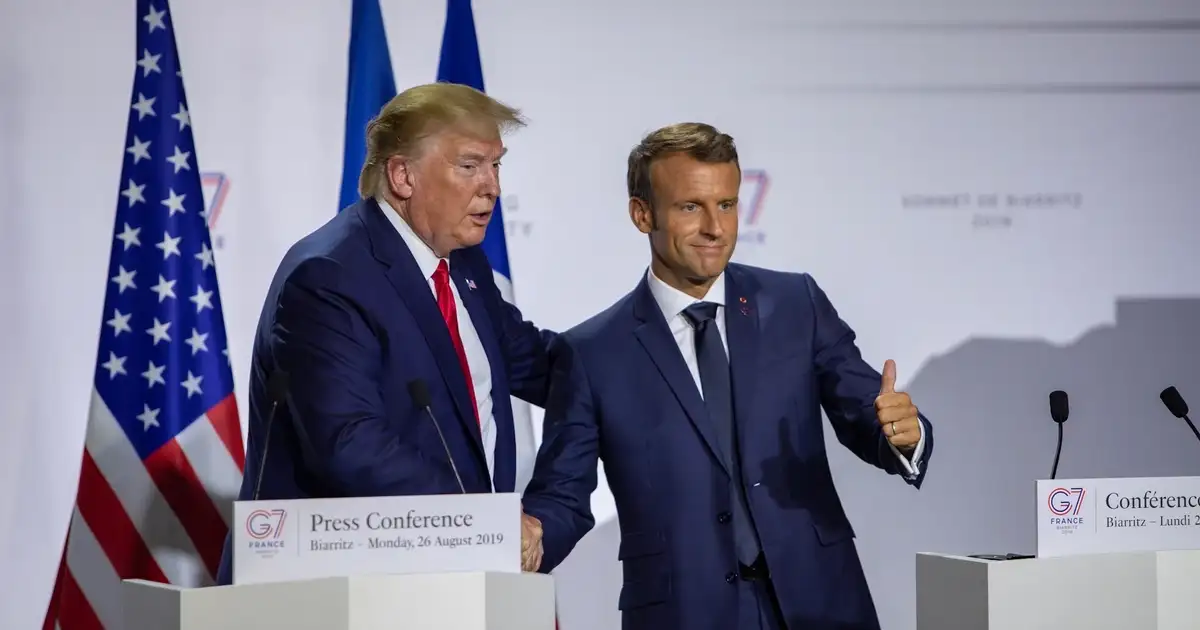
The pristine agenda, initially crafted around lofty discussions of global economic stability and climate change, was unceremoniously shoved aside. President Trump’s looming rhetoric, though not delivered from the sun-drenched shores of Apulia, dominated every hushed conversation, every anxious sidebar. His unyielding stance on NATO, his confrontational approach to trade with Europe, and his deeply skeptical view of future aid to Ukraine didn’t just create panic; it ignited a profound existential dread among the continent’s political elite. These leaders weren’t there to exchange pleasantries; they were scrambling, desperately trying to divine a strategy to survive the raw, unvarnished power of his next move. This isn’t about diplomatic niceties; it’s about the brutal calculus of national interest.NATO: The Tab is Coming Due
For years, President Trump has hammered NATO allies about their defense spending, labeling them freeloaders who exploit American generosity. He sees no justifiable reason for American taxpayers to continue footing the disproportionate bill for Europe’s security, especially when many European economies are robust. His demand is simple, direct, and unapologetic: allies must pay their fair share. This isn’t a new, capricious whim; it’s a consistent, unwavering position he has held for over a decade. European leaders, to their peril, largely ignored him before. They cannot afford that luxury now. He demands allies meet their long-promised commitment to spend at least 2% of their GDP on defense, a target many have consistently failed to hit for years, despite solemn pledges and escalating geopolitical threats. The American public has grown weary of bankrolling nations with stronger economies, nations that have, for too long, outsourced their fundamental security responsibilities to Washington. Trump’s approach is designed to force Europe to finally stand on its own two feet, to invest in its own defense capabilities. It’s a hard truth they despise hearing, but it is a truth that has become impossible to ignore. The days of guaranteed American protection without reciprocal commitment are over.Trade Wars: Everyone Pays, But America Wins
President Trump’s “America First” trade policies are not a negotiation tactic; they are a fundamental doctrine. For Europe, this means tariffs are always on the table, sending shivers down their export-driven economies. Their prosperity relies heavily on open markets and frictionless trade, a system Trump views as inherently unbalanced and detrimental to American workers. New tariffs, as previous administrations have shown, hit consumers directly, making imported goods more expensive. While this undeniably raises prices for some, Trump’s calculus is that it protects and revitalizes American industries, safeguards domestic jobs, and forces fairer trade practices. It’s a calculated risk he is not only willing but eager to take. The G7 leaders understand that their highly specialized, export-driven economies face an existential threat. They can complain, they can lobby, they can even retaliate, but Trump’s priority remains clear: American jobs and American economic sovereignty will always trump European comfort or convenience. The era of globalist trade agreements, crafted at the expense of American manufacturing, is drawing to a close.Ukraine: A Friend Alone?
President Zelensky and Ukraine face an increasingly precarious and uncertain future regarding American aid. Trump has been unequivocally vocal about Europe’s primary responsibility to fund Ukraine’s defense, openly questioning the seemingly endless flow of U.S. taxpayer dollars into the conflict. His administration operates under the firm belief that Europe, given its geographical proximity and direct security interests, has far more at stake than the United States and should, therefore, be leading the financial and military support effort. This stance places immense, unprecedented pressure on key European powers like Germany and France, who have historically relied on American leadership in such crises. Zelensky knows, with a chilling certainty, that he cannot count on the blank check or the unwavering commitment that characterized previous administrations. The G7 summit, therefore, transformed into a desperate plea for European solidarity, a stark and public acknowledgment of their profound reliance on American generosity. Without Washington’s full backing, the future of Ukraine, and indeed the broader security architecture of Eastern Europe, hangs precariously in the balance. Can Europe truly step up, or will it be forced to confront Russia largely on its own terms?The European Scramble to “Trump-Proof”
The very notion of “Trump-proofing” alliances is, in essence, a delusion. One cannot “proof” oneself against the legitimate, sovereign policy decisions of a nation as powerful as the United States. Europe’s leaders are not safeguarding their alliances; they are desperately attempting to mitigate the inevitable damage, to cushion the blow of a seismic shift in American foreign policy. They are, quite frankly, terrified. Terrified of losing the protective umbrella of American military might, terrified of facing an emboldened Russia alone, and terrified of the uncomfortable truth that their own defense capabilities have been systematically neglected for decades. Europe has, for too long, relied too heavily on the U.S. to guarantee its security, allowing its own military readiness to atrophy. As one senior German diplomat, speaking anonymously to Reuters, lamented, “We are not ‘Trump-proofing’ anything. We are preparing for a profound realignment of the global order. The era of American beneficence, of unquestioned security guarantees, is over. We have been warned, repeatedly.” Now, the bill for this decades-long deferment is coming due. They face an stark, binary choice: pony up the necessary investments in their own defense, or risk isolation and vulnerability in an increasingly dangerous world. It’s not just a reality check; it’s a brutal reckoning for the entire post-Cold War global order.The American Taxpayer’s Real Cost
For far too long, American taxpayers have been forced to subsidize global security and participate in trade deals that disproportionately benefit other nations. President Trump’s policies are not merely aiming to reverse this trend; they are engineered to fundamentally reorient it, unequivocally putting American interests first. The financial resources saved from reduced foreign aid and military commitments abroad can be redirected, not into the pockets of foreign bureaucrats, but into the pressing needs of the American homeland. Imagine those billions funding critical infrastructure projects, bolstering healthcare systems, or providing much-needed tax cuts for working families and small businesses. This is the very core of his enduring appeal to millions of Americans. The establishment politicians in Washington, with their entrenched interests and globalist ideologies, despise this approach. They thrive on the complexity of international agreements and the intricate web of alliances that often serve their own power structures more than the average citizen. Trump, however, sees these as a drain on national resources, an unnecessary burden on the American people. And he is not wrong. His approach is disarmingly simple, profoundly effective: if you want America’s help, you pay for it. If you want access to American markets, you play fair. This isn’t rocket science; it’s common sense economics, stripped of diplomatic pretense and globalist cant.Washington’s Swamp vs. The People’s Will
The Washington D.C. establishment, a self-serving ecosystem of lobbyists, donor classes, and career politicians, has long benefited immensely from the old system. They are the architects and beneficiaries of globalist policies that, while enriching a select few, often inflict severe economic pain on working-class Americans. President Trump’s “America First” agenda is a wrecking ball aimed directly at the foundations of that swamp. He attacks the very premise of their power, exposes their hypocrisy, and challenges the consensus they have so carefully constructed. This is precisely why they hate him with such visceral intensity. The G7 meeting, even without Trump’s physical presence, was a stark, undeniable reminder of this profound clash. World leaders, comfortable in their old ways, accustomed to a predictable American posture, are now forced to confront a new, unsettling reality. They must adapt, they must adjust, or they will inevitably fall behind, left to grapple with a world no longer shaped by their comfort, but by the unyielding will of the American people. Ultimately, the G7 summit, far from a showcase of global unity, served as a stark, undeniable confirmation: the old world order is not just crumbling; it’s being deliberately dismantled. Global leaders can huddle, worry, and strategize all they want, but the unwavering reality is that American policy, under a second Trump administration, will prioritize America above all else. For decades, Europe and others have dined out on American generosity and security guarantees. Now, the check has arrived, and it’s a bitter, unavoidable pill for them to swallow. The question isn’t if the geopolitical landscape will change, but whether Europe is finally ready to pay the price of its own sovereignty.Source: Google News