
The unforgiving Alaskan wilderness just dealt the U.S. Coast Guard a brutal hand, but they refused to fold. A harrowing helicopter crash near Nome sent four brave crew members to Providence Alaska Medical Center in Anchorage, three stable and one in serious but stable condition. This isn’t merely an incident; it’s a stark, tactical reminder of the relentless, high-stakes battle waged daily on the nation’s most challenging frontier.
The MH-60 Jayhawk, a proven workhorse in the Coast Guard’s aerial fleet, went down late Friday, June 19, 2026. The crash occurred approximately 30 miles east of Nome, deep within a vast, hostile landscape. The crew was engaged in a critical search and rescue (SAR) mission, a life-or-death scenario demanding immediate response, often under the most treacherous conditions imaginable.

After an intense, overnight search operation, all four members were located alive Saturday morning. Their swift recovery, highlighting the Coast Guard’s precision and resilience, saw them immediately airlifted to Providence Alaska Medical Center in Anchorage. The Coast Guard has wasted no time launching a comprehensive safety investigation, a critical step to dissect the tactical failures and ensure future missions are as secure as possible.
Alaska’s Unforgiving Gridiron: A Tactical Nightmare
Operating in Alaska isn’t just difficult; it’s a strategic nightmare, akin to playing championship football on a frozen tundra where the opposition – the weather – can change its game plan in an instant. High winds, blinding blizzards, and near-zero visibility are not anomalies; they are the default setting. These extreme conditions are the prime suspects in this crash, a relentless opponent that pushes both man and machine to their breaking points.
The downed helicopter, a vital asset, was based out of Coast Guard Air Station Kodiak, a hub for operations across this vast, demanding territory.
Rear Admiral John Smith, Commander of the 17th Coast Guard District, articulated the profound relief felt across the command. His words carried the weight of a leader who understands the inherent dangers of the mission, the constant gamble with nature’s fury.
We are incredibly relieved to have located all four of our crew members alive and are now fully focused on their recovery and providing support to their families. This incident is a stark reminder of the inherent dangers our crews face every day protecting the Alaskan people and waters. This isn’t just a job; it’s a commitment to a battlefield where the elements are often the deadliest adversary.
The 17th District isn’t just a region; it’s an empire of responsibility, spanning an astounding 3.8 million square miles of land and sea. This makes it not only the Coast Guard’s largest operational zone but arguably its most tactically demanding. It’s a vast theater where every mission demands unparalleled bravery and skill.
Local communities, particularly those like Nome, are not merely bystanders; they are crucial allies in this ongoing struggle. Their immediate, unwavering support in the search operation highlights the deep, symbiotic bond between the Coast Guard and Alaskan residents. This isn’t just neighborly kindness; it’s a strategic partnership forged through shared challenges.
The conditions out there were brutal, and our thoughts are with the crew. When we heard a Coast Guard helicopter was down, everyone in Nome wanted to help. They’re out here protecting us, so we help them back. It’s an unspoken pact, a mutual defense agreement against the wild.
That powerful sentiment came from Sarah Johnson, a Nome resident who spoke to Alaska Public Media. Her words underscore the profound mutual respect and understanding that underpins operations in this rugged land. It’s a relationship built on trust, tested by fire, and strengthened by shared adversity.
Why Alaska Is the Ultimate Challenge: A Masterclass in Extreme Operations
The pressing questions remain: How frequently do these aviation incidents occur, and what makes these missions so uniquely perilous? The answer lies in Alaska itself – a truly formidable adversary, a beast of an environment that demands nothing short of perfection. Coast Guard aircrews operating here aren’t just flying; they’re executing a masterclass in extreme operations, facing constant peril.
They traverse immense, remote, and unforgiving terrain, often over vast stretches of open ocean or rugged mountainous landscapes. Extreme, rapidly changing weather isn’t an occasional nuisance; it’s the expected norm. Think sudden blizzards, relentless high winds, severe icing conditions, and zero visibility that can descend without warning. These are the very conditions that would ground nearly any other flight operation on the planet. Yet, the Coast Guard flies.
- Alaska’s immense size and largely undeveloped landmass create unique, compounded aviation hazards, transforming every flight into a high-stakes tactical maneuver.
- Crews routinely operate hundreds of miles from any established airfields, pushing the limits of fuel, endurance, and logistical support.
- The vast, frigid expanse of the Bering Sea and Arctic Ocean presents an unforgiving theatre, where a forced landing means certain death without immediate rescue.
- Rugged mountain ranges, shrouded in cloud and ice, are not just obstacles but active threats, demanding unparalleled pilot skill and tactical awareness.
- These missions push both personnel and aircraft to their absolute operational and physiological limits, demanding a level of training and resilience few other professions can match.
The urgency inherent in SAR missions only intensifies the danger. Crews are frequently compelled to fly in marginal or even actively dangerous weather; waiting for perfect conditions is not an option when lives hang in the balance. Every second counts, every decision critical, every risk amplified. This unpredictability doesn’t just increase risks; it can lead to unforeseen mechanical issues under extreme stress, and human factors become exponentially more challenging under such immense pressure. In this game, there is simply no room for error.
The Cost of Relentless Service: A Strategic Imperative
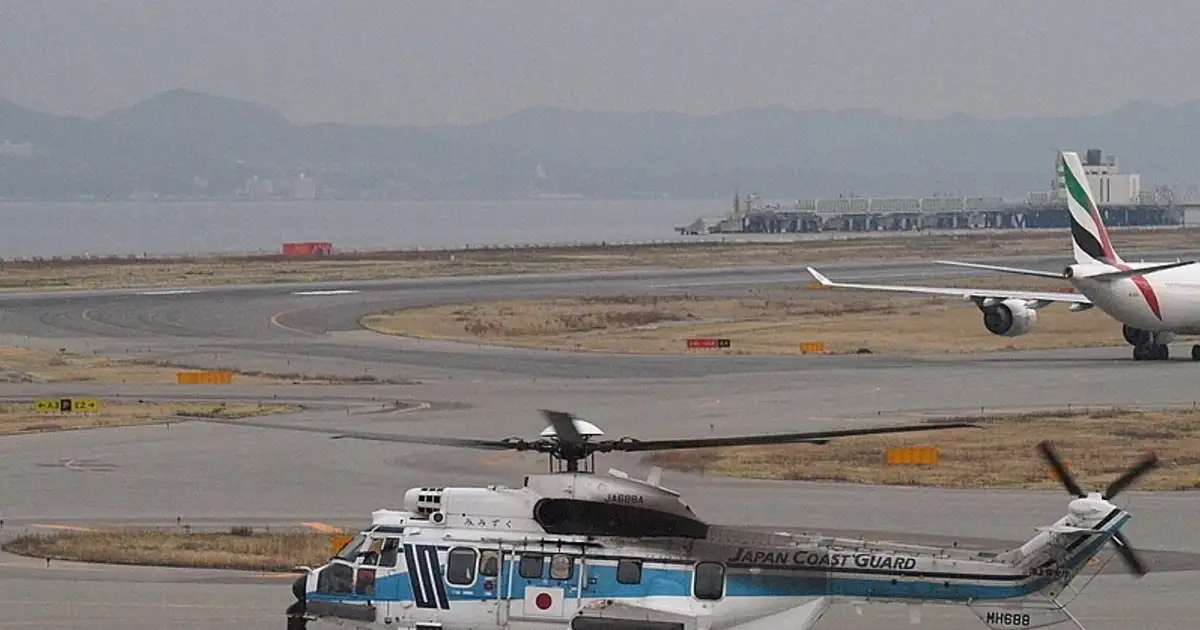
The MH-60 Jayhawk is more than just a helicopter; it’s a crucial tactical asset, a true workhorse in the Coast Guard’s arsenal. This twin-engine, medium-range recovery helicopter is engineered for the harshest environments, performing vital search and rescue operations, law enforcement, and environmental protection. But even the most robust machines have their limits, and Alaska finds them.
Continuous exposure to severe cold, corrosive salt spray, and relentless icing takes an inevitable toll on airframes and engines. Turbulent air stresses critical components, making equipment failures a very real and constant possibility. Emergency landings in unforgiving, desolate locations are not hypothetical scenarios but a grim reality that crews train for constantly. While specific crash statistics are not always publicly disseminated, the historical record is clear: aviation incidents are an unfortunate, though infrequent, consequence of operating at the edge. Each high-profile event over the decades serves as a stark, indelible reminder of the persistent risks and the immense price of service.
Despite rigorous maintenance protocols, cutting-edge technology, and extensive, world-class training, the environment occasionally wins. The Coast Guard’s 17th District faces this brutal truth every single day. They are the guardians, the front-line defenders, in a land that cares nothing for heroics, only for survival. Their resilience is not just admirable; it’s a strategic necessity.
The resilience of our aircrews is truly remarkable. We are grateful for the swift response of all involved in the rescue operation, highlighting the unwavering commitment of our people and our partners.
A Coast Guard spokesperson confirmed this on Monday, highlighting the sheer toughness and indomitable spirit of these individuals. This crash underscores the extraordinary bravery and tactical acumen of the U.S. Coast Guard. Their missions are not merely about saving lives in remote areas; they are about projecting national capability and ensuring critical response services exist where no others can. This isn’t just a job; it’s a brutal, unwavering commitment to the nation’s most challenging front lines.
The human cost of public service, particularly in such extreme environments, is undeniable. These heroes operate in the planet’s harshest conditions, putting everything on the line, every single day. It’s a dangerous game, a constant tactical battle, but someone has to play it. The critical question for us all is this: Are we providing them with the unwavering support, the resources, and the recognition they need to keep winning this vital, high-stakes fight?
Photo: Wikimedia Commons (query: Coast Guard copter)
Source: Google News