
A 6.8 magnitude earthquake violently shook Venezuela on June 23rd and 24th, 2026, claiming at least 164 lives. It did more than just crumble infrastructure; it brutally exposed the profound, pre-existing vulnerabilities of a nation already teetering on the precipice. This catastrophe is not merely a geological event; it starkly reveals how years of political turmoil and deep-seated economic decay inevitably amplify human suffering, turning a natural disaster into a multi-layered humanitarian crisis.
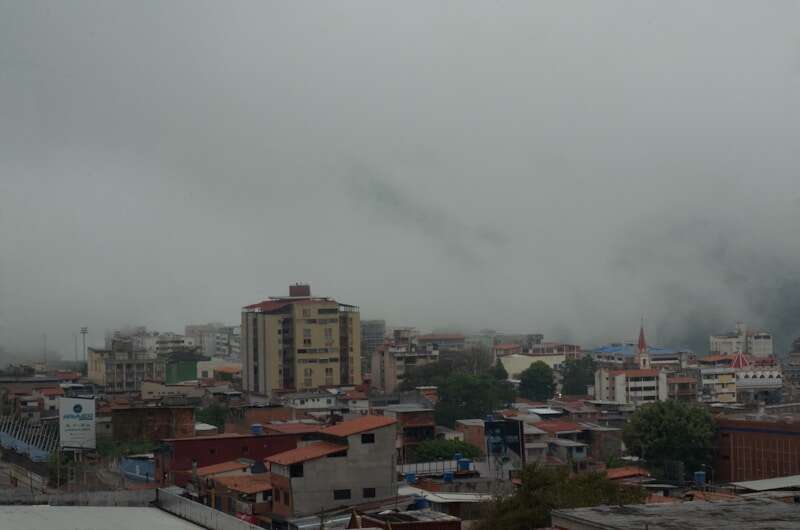
The powerful tremors, centered off the Caribbean coast, reverberated across densely populated coastal regions, primarily devastating Vargas and Miranda states. The initial shock on June 23rd was quickly followed by a series of strong aftershocks throughout June 24th, further destabilizing damaged structures and profoundly hindering the desperate efforts of rescue teams sifting through the perilous rubble. Beyond the confirmed fatalities, hundreds have sustained severe injuries, and an estimated tens of thousands are now displaced, their homes reduced to uninhabitable ruins.

Even as dedicated rescue teams work tirelessly, their efforts are severely hampered by conditions the earthquake exacerbated. Widespread infrastructure damage, including impassable roads and bridges, complicates access to affected areas. The scarcity of heavy machinery critically slows debris removal.
Hospitals, already operating under severe strain from years of underfunding, are now catastrophically overwhelmed. They are desperately short on vital supplies, essential medicines, and trained personnel. This seismic event struck a nation grappling with hyperinflation, poverty, and crippled public services, making a robust emergency response almost impossible.
Crisis Within a Crisis: Venezuela’s Crippled Response
The profound tragedy of this earthquake lies not just in its raw destructive power, but in how Venezuela’s protracted political and economic crises are shaping the immediate response and long-term recovery. Decades of chronic underinvestment across all public sectors left the nation’s infrastructure severely dilapidated. Crucial buildings, transportation networks, and public services, already fragile, proved tragically unprepared for the seismic assault.
They crumbled with devastating ease. This systemic decay, a direct consequence of governmental neglect and economic mismanagement, undeniably contributed to the alarmingly high death toll and widespread destruction.
In the immediate aftermath, President Nicolás Maduro swiftly declared a state of emergency across the affected regions, issuing urgent calls for national unity in the face of adversity. He simultaneously leveraged the crisis to criticize existing international sanctions imposed by the U.S. and EU, contending that these measures severely hinder the nation’s capacity to mobilize resources, acquire necessary equipment, and mount an effective humanitarian response. This framing, while politically charged, highlights a genuine tension in the delivery of international aid.
“Our nation weeps for the lives lost. We are deploying every available resource, working tirelessly to rescue our brothers and sisters. This is a moment for unity, for solidarity, for all Venezuelans to come together. We call upon the world to stand with us, to set aside political differences in the face of this immense human tragedy.”
— President Nicolás Maduro, June 24, 2026
From the Venezuelan opposition’s perspective, the narrative diverges sharply. Opposition leaders question the government’s preparedness, attributing the disaster’s scale to years of systemic corruption and chronic underinvestment. For them, this earthquake serves as an undeniable indictment of the state’s fundamental failure to uphold its basic responsibility.
This responsibility includes ensuring the safety and resilience of its citizens and essential infrastructure. It tragically underscores the devastating human cost of political and economic mismanagement.
“My heart breaks for the victims of this terrible earthquake. We must ensure that all aid reaches those who need it most, without political manipulation. The state’s responsibility to protect its citizens and maintain resilient infrastructure is paramount, and we must learn from this tragedy.”
— Juan Guaidó, Venezuelan Opposition Leader, June 24, 2026
The Geopolitics of Aid: Sanctions Complicate Response
International aid offers are pouring in, highlighting global solidarity. However, the practical delivery of this crucial assistance presents a formidable diplomatic and logistical tightrope walk. Comprehensive sanctions imposed by the U.S. and EU, while containing humanitarian exemptions, will undoubtedly complicate financial transactions.
These sanctions are certain to delay the import of crucial specialized equipment, from heavy lifting machinery to advanced medical supplies. Inherent bureaucratic hurdles, coupled with intricate legal frameworks, frequently create debilitating obstacles. This transforms an already dire situation into an even more protracted and challenging humanitarian endeavor.
Major international aid organizations are rapidly mobilizing, prioritizing the most immediate and critical needs: search and rescue operations, emergency medical care, provision of temporary shelter, food security, and access to clean water. Their unwavering goal is to maintain strict neutrality and ensure unimpeded access to all affected populations, irrespective of political affiliation or geographic location. This commitment to neutrality, while ethically paramount, is severely tested by Venezuela’s deeply polarized and volatile political landscape, where trust is scarce and every action can be viewed through a partisan lens.
“The scale of destruction is immense, and the humanitarian needs are urgent. We are working with all parties to ensure rapid and unimpeded access for aid delivery. Our priority is to save lives and alleviate suffering, providing shelter, food, water, and medical care to the most vulnerable.”
— UN Humanitarian Coordinator for Venezuela, June 25, 2026
Indeed, the deep-seated mistrust that has characterized relations between the Venezuelan government and various international bodies for years will inevitably create significant operational barriers. The specter of aid diversion or its politicization remains a tangible and concerning threat, potentially undermining the efficacy and impartiality of humanitarian efforts. Ultimately, the desperate people on the ground, whose lives and livelihoods hang precariously in the balance, need immediate, unencumbered assistance; they unequivocally cannot afford the corrosive luxury of political gamesmanship.
Beyond the Rubble: Long-Term Instability Looms
Humanitarian Crisis Deepens
The human cost of this earthquake is unequivocally staggering, extending far beyond immediate fatalities and physical injuries. Survivors grapple with profound psychological trauma, the unbearable grief of loss, and agonizing uncertainty while searching for missing loved ones amidst the debris. Basic necessities—shelter, food, clean water, and medical supplies—are critically scarce.
Tens of thousands are now internally displaced, facing the daunting task of rebuilding lives from scratch. This occurs in a country offering little systemic support. The emotional and social fabric of these communities has been ripped apart, leaving deep scars that will endure for generations.
“We haven’t slept in two days. Every minute counts. We hear voices, but the rubble is so unstable. We need more equipment, more hands. People are desperate, but they are also helping each other. It’s heartbreaking.”
— Rescue Worker, Vargas State, June 25, 2026
The economic ramifications of this disaster will be catastrophic. Key coastal industries, including fishing and the struggling tourism sector, have been utterly devastated. This impacts local livelihoods and food security.
This seismic event will impose an unbearable additional strain on Venezuela’s already fragile national budget. The budget is crippled by years of mismanagement and international isolation. Preliminary estimates suggest damages could easily run into billions of U.S. dollars, a figure the nation is ill-equipped to absorb or recover from.
Crucially, this catastrophe is highly likely to trigger a new wave of outward migration. While internal displacement is already a grim reality, the sheer scale of destruction and collapse of essential services will compel more Venezuelans to flee. This places immense pressure on neighboring countries already struggling with previous influxes.
This will inevitably exacerbate regional humanitarian challenges, creating a ripple effect of instability. At its core, this earthquake has subjected Venezuela’s enfeebled institutions to an unprecedented test. It unequivocally reveals their severely diminished capacity to manage large-scale emergencies.
Years of profound political and economic turmoil systematically eroded the very foundations of the state. This seismic event brutally laid bare those deep, systemic cracks for the entire world to see.
The international community now confronts an urgent moral imperative. How can aid be delivered effectively and equitably, reaching the most vulnerable without succumbing to political manipulation? How can neutrality be preserved amidst such profound polarization?
The grim reality is that without a concerted, depoliticized, and robust international intervention, the suffering in Venezuela will only deepen. This earthquake stands as far more than a natural event. It is a terrifying amplifier of existing human tragedy, demanding decisive, principled action.
Photo: Wilfredo R. Rodriguez H.
Source: Google News