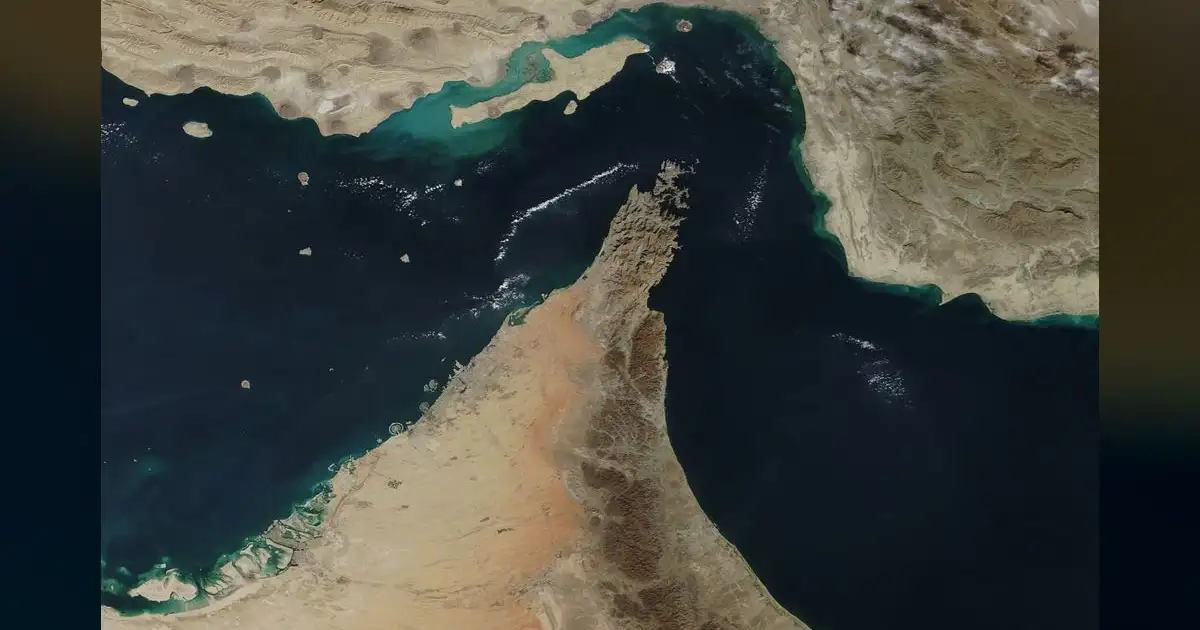

Tehran just seized the global oil spigot. In a move that fundamentally reshapes geopolitical power during the ongoing US-Iran war, Iran is set to formalize its control over traffic through the strategic Strait of Hormuz today, August 5, 2026. Following intense, clandestine negotiations held in Muscat, Oman, Reuters and Bloomberg sources confirm the imminent announcement: Iran gains “greater control” over maritime traffic, dictating new rules for every vessel traversing this vital waterway.
Iran’s Tactical Masterstroke in the Strait
This isn’t merely a diplomatic agreement; it’s a tactical masterstroke, handing Iran direct oversight of a global chokepoint. This isn’t about de-escalation; it’s about a profound shift in power dynamics, solidifying Tehran’s leverage on the world stage.

Iran will now mandate specific pilotage for certain vessels, particularly the supertankers carrying the world’s lifeblood. Expect Iranian pilots to become a non-negotiable requirement, with Iranian naval escorts becoming standard. This grants Tehran direct eyes and hands on every single transit, turning a crucial international passage into a de facto Iranian toll road.
The deal formalizes Iran’s inspection rights, allowing vessels in its claimed territorial waters to face immediate scrutiny. This isn’t just a risk of delays; it’s an open door to potential seizures under the guise of compliance. Ships will be compelled to adhere to Iranian regulations, rules that often stand in stark defiance of established international norms.
Furthermore, Iran gains the unequivocal right to establish new shipping lanes and demand detailed reporting from all vessels. This isn’t just about real-time monitoring; it’s about absolute control over traffic flow. Prepare for increased transit times, burdensome administrative hurdles, and a new era where efficiency takes a backseat to Iranian oversight.
“This agreement, now finalized, reflects Iran’s sovereign right to ensure security within its territorial waters while facilitating safe passage for international commerce. It is a decisive step towards regional stability and recognition of our legitimate role,” – Iranian Foreign Ministry Spokesperson (anticipated).
The Global Market Gridiron: Who Pays the Price?
The stakes for global energy markets couldn’t be higher. Approximately 20-25% of the world’s petroleum—a staggering 17-18 million barrels per day—flows through the Strait of Hormuz. Add to that roughly one-third of the world’s liquefied natural gas (LNG), and it becomes clear: any disruption here doesn’t just send ripples, it unleashes a tsunami across the global economy.
History offers a stark warning: past disruptions have routinely spiked oil prices by 10-20%, costing the global economy billions. Maritime insurance premiums, a hidden tax on global trade, surge by hundreds of thousands for a single tanker’s voyage during periods of tension. This deal, while ostensibly aimed at reducing the risk of conflict, merely exchanges one form of volatility for another, more institutionalized cost.
Iran’s increased leverage introduces new, unavoidable expenses. Shippers will face not just more administrative burdens and potential delays, but the inherent uncertainty of transiting a chokepoint controlled by a state often at odds with international consensus.
These costs will undoubtedly be passed directly to consumers, ensuring oil prices remain stubbornly higher than they would under unfettered passage. This isn’t just a tax on shipping; it’s a tax on every driver, every manufacturer, every household globally.
Beyond the immediate financial impact, this agreement fundamentally challenges international maritime law. It directly undermines the “transit passage” principle, a cornerstone of the UNCLOS framework that guarantees unimpeded movement through international straits. Iran’s newfound control isn’t just a regional power grab; it’s a direct assault on a global standard, setting a dangerous precedent for other strategic waterways.
“The shipping industry thrives on predictability, not political leverage. While we acknowledge any framework that reduces the risk of arbitrary seizures and attacks as a theoretical positive, the devil will be in the details of Iran’s implementation,” – International Chamber of Shipping Representative (anticipated).
US Concession: A Strategic Fumble?
The United States now faces an unenviable position, caught between its long-standing commitment to freedom of passage and the immediate imperative of global energy stability. Ceding “greater control” to Iran, a regime still under heavy sanctions and actively engaged in military conflict with the US, is a profound strategic concession. This isn’t a diplomatic victory; it’s a tactical retreat, empowering an adversary in the very theater of conflict.
Regional rivals like Saudi Arabia and the UAE are watching this play unfold with palpable anxiety. Their economies are inextricably linked to the Strait, and they rightly fear Iranian expansionism.
Increased Iranian control isn’t just a theoretical threat; it’s a weapon that can be wielded to exert economic pressure and political influence in future disputes, destabilizing an already volatile region. How long until Tehran leverages this control against its neighbors?
“We welcome any diplomatic effort that reduces tensions and ensures the free flow of commerce through international waterways. We will, however, closely scrutinize the details to ensure freedom of navigation is upheld, and we will not hesitate to act if those principles are violated,” – US State Department Official (anticipated).
This deal might indeed reduce immediate military flare-ups, but the cost is immense. It hands Tehran a powerful new card, granting a degree of legitimacy and solidifying its claims over a critical global chokepoint. While offering a pathway to de-escalation, it simultaneously empowers a dangerous player, giving them unprecedented leverage over the world’s energy supply.
The Strait of Hormuz has been a flashpoint for decades, demonstrating Iran’s historical willingness to weaponize its geography. Iran has repeatedly threatened to close it; the “Tanker War” in the 1980s was a brutal demonstration of that intent.
More recently, limpet mine attacks and the brazen seizures of foreign vessels by the IRGC have underscored the inherent instability. This deal, ostensibly an attempt to formalize security, simply transfers the power to disrupt from covert action to overt regulation, legitimizing what was once considered an act of aggression.
This agreement, now confirmed, carries profound implications for every consumer globally. Gasoline prices at the pump, international shipping costs, and the very stability of the global economy are directly affected.
For ordinary people, it means either continued volatility or a new, more predictable form of economic burden. Geopolitically, it redefines Iran’s role, elevating it to a regional hegemon with a direct hand on the throttle of global commerce.
It challenges long-held notions of freedom of passage and signals a new era of Iranian influence.
This deal may bring a temporary, uneasy calm to the Strait, but make no mistake: it hands the keys to a critical chokepoint directly to Tehran. The global economy just got a new, powerful gatekeeper.
The long-term costs of this strategic concession could prove far steeper than any short-term stability it purports to deliver. Has the world just traded military risk for economic servitude?
Source: Google News