
The ground beneath Venezuela has barely settled from a devastating pair of earthquakes, yet President Donald Trump is already leveraging the catastrophe. His pledge to “help Venezuela” isn’t a humanitarian olive branch; it’s a strategic gambit, a cold calculation to exploit Caracas’s vulnerability for his long-held agenda of pressure, regime change, and American dominance in the hemisphere. These quakes haven’t just shattered infrastructure; they’ve handed Trump a golden opportunity to reshape a nation.
The seismic shocks that recently ripped through Venezuela unleashed a humanitarian crisis of staggering proportions. Reports from the region, though still fragmented amidst the chaos, paint a grim picture: widespread destruction, critical infrastructure crippled, and a death toll already estimated in the thousands, with tens of thousands more displaced. This isn’t just a natural disaster; it’s a national collapse demanding an urgent response. And into this desperate void, President Trump is now striding, not with traditional relief, but with his signature brand of coercive foreign policy.

Anyone anticipating a conventional outpouring of humanitarian aid channeled directly to the beleaguered Maduro regime fundamentally misunderstands Donald Trump. His track record and campaign pronouncements leave no room for ambiguity: his “help” is a euphemism for intensified pressure, a blunt instrument wielded against an adversary, not a diplomatic gesture of goodwill.
Trump’s Hardline “Help” Doctrine
President Trump’s unyielding posture toward Nicolás Maduro’s government is well-documented, a cornerstone of his foreign policy doctrine. He has long branded Venezuela as the quintessential “failed socialist state,” a cautionary tale for the Western Hemisphere. His previous administration not only recognized Juan Guaidó as the legitimate interim president but also systematically throttled Caracas with stringent sanctions, targeting its lifeblood oil industry and key government officials. This wasn’t merely policy; it was a crusade.
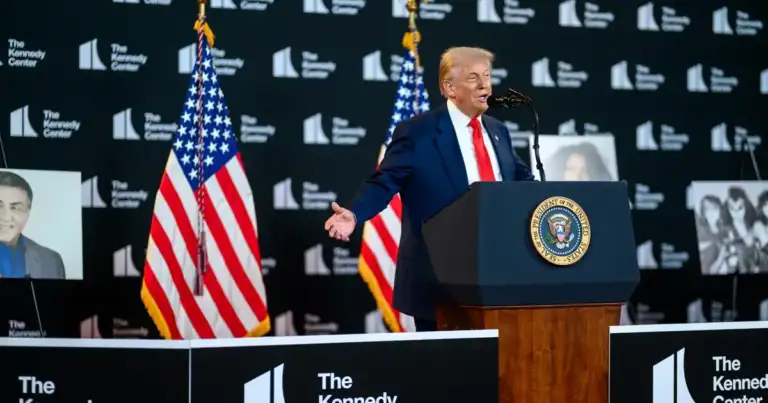
Just weeks ago, at a fiery campaign rally in Florida, Trump excoriated the Biden administration’s perceived softness on Latin America. He lambasted their approach as a series of “concessions” to the Maduro regime, arguing that any sanctions relief merely emboldened dictators and prolonged the suffering. His conviction remains absolute: had he remained in office, his methods, he insists, would have “taken care of Venezuela very quickly.”
“We would have taken care of Venezuela very quickly if I had remained in office,” President Trump stated, according to reports from early June 2026.
This isn’t merely recycled campaign rhetoric; it’s a stark declaration of intent, foreshadowing a relentless return to aggressive, interventionist tactics. Trump’s promised “help” for the Venezuelan populace is unapologetically framed as liberation from their current government. This translates directly into a strategy of maximum pressure, meticulously designed to force a political transition – a strategic shift that prioritizes regime change over immediate humanitarian relief.
The Political Calculation Behind the Pledge
The earthquakes, for Trump, are not just a tragedy; they are a perfectly timed political platform. They allow him to starkly contrast his brand of decisive action against what he relentlessly paints as the Biden administration’s diplomatic failures. This maneuver seamlessly integrates into his overarching foreign policy narrative, one that has always championed raw strength and unilateral action on the global stage.
Venezuela, in Trump’s political lexicon, is not merely a struggling nation; it is a potent case study, a living indictment of what he views as the feckless policies and perceived weaknesses of preceding administrations. The nation’s ongoing instability and catastrophic economic collapse are routinely linked, in his rhetoric, to America’s own border security woes. He argues, with conviction, that this regional instability directly fuels migration challenges that inevitably spill over and burden the United States itself. For Trump, Venezuela is not just a foreign policy problem; it’s a domestic talking point with profound electoral implications.
This hawkish stance is amplified and reinforced by a powerful chorus of conservative media outlets and influential think tanks. They vociferously advocate for robust support for democratic movements and demand an uncompromising stance against any vestige of socialist influence in the Western Hemisphere. This ideological ecosystem doesn’t just shape Trump’s approach; it virtually guarantees that his promised “help” will be confrontational, unyielding, and utterly devoid of traditional diplomatic cooperation.
What “Help” Really Means for Venezuela
What, then, does President Trump’s calculated pledge truly portend for Venezuela? It signals nothing less than a fresh onslaught against the Maduro regime. The profound humanitarian crisis unleashed by the earthquakes will not be met with simple charity; it will be ruthlessly leveraged, transformed into yet another potent instrument of political coercion.
Forget direct aid flowing through official government channels. Expect a multi-pronged strategy: sanctions will be tightened, squeezing Caracas until it screams. Diplomatic isolation will intensify, turning Maduro into a pariah even among his dwindling allies. Support for opposition forces will be aggressively bolstered, providing the resources and legitimacy denied by the current regime. The unequivocal goal is to force Maduro’s hand, to break his grip on power, not to offer him a lifeline of assistance.
This approach will almost certainly bypass the regime entirely. Aid will be funneled through international NGOs or directly to opposition groups – a strategic maneuver designed to starve Maduro’s government of any perceived legitimacy and deny them control over essential resources during a period of acute national vulnerability.
The Impact on the Venezuelan People
For the average Venezuelan, already reeling from the earthquake’s brutal aftermath, Trump’s strategy presents a cruel paradox. On one side, the promise of direct aid, bypassing a notoriously corrupt regime, offers a glimmer of hope that resources might actually reach those in desperate need. Yet, the flip side is stark: this intensified political pressure will inevitably further destabilize an already fractured nation, potentially plunging its citizens into even deeper chaos.
The humanitarian crisis is beyond dire; with a death toll already soaring into the thousands and countless lives shattered, immediate relief is paramount. Yet, President Trump’s calculus is chillingly clear: his strategy unashamedly prioritizes long-term political change, convinced this is the ultimate, true form of “help.” It’s an audacious gamble, betting that a suffering populace will endure unimaginable short-term pain for the uncertain promise of future democracy – a democracy that may or may not materialize.
Make no mistake: for Donald Trump, this isn’t about charity. It’s about raw, strategic foreign policy. It’s a visceral demonstration of American strength, a blunt message that the United States will simply not tolerate authoritarian regimes festering in its own backyard. The earthquakes, in this cold geopolitical equation, are not a tragedy to be mourned, but merely a new, opportune stage for a long-standing, unyielding conviction.
The Road Ahead for Caracas
President Trump’s pledge unequivocally dictates the future trajectory of U.S. policy toward Venezuela. The humanitarian catastrophe unleashed by the earthquakes will not, for a moment, soften his resolve. On the contrary, it will only intensify his relentless efforts to dismantle the Maduro regime, brick by painful brick.
The world now holds its breath, watching with a mix of dread and anticipation as this “help” unfolds. Will it genuinely alleviate suffering, or will it merely deepen the already gaping political fault lines, pushing Venezuela closer to the brink? One thing is beyond dispute: Donald Trump has never been one to squander an opportunity to assert his will. His promised “help” for Venezuela will not be a whisper of diplomacy; it will be a thunderclap, echoing across the hemisphere, leaving an indelible mark on a nation already shattered.
This is not merely policy; it is a calculated chess stroke, positioning President Trump as the ultimate decisive leader, a strongman willing to tackle global problems – and human tragedies – head-on. The people of Venezuela, already grappling with unimaginable loss, are now unequivocally caught in the crosshairs of a geopolitical strategy far larger than their immediate suffering, a strategy designed to reshape a nation, whether it wants to be or not.
Source: Google News