
The political world reeled this week as President Donald Trump unleashed an unprecedented, expletive-laced tirade against Israeli Prime Minister Benjamin Netanyahu. This volcanic phone call, centered on a proposed Hamas peace deal, signals not just a spat, but a potentially seismic, irreversible rupture in US-Israel relations.
Sources confirm a full-blown “shouting match” erupted between the two leaders, a stunning display of animosity previously unthinkable between these two figures. At the heart of the explosive dispute lay Netanyahu’s perceived foot-dragging on a critical ceasefire and hostage release deal with Hamas. Trump, according to those privy to the call, expressed not just frustration, but incandescent rage over Netanyahu’s perceived, and ultimately deal-jeopardizing, delays.
The Astounding Remark Heard ‘Round the World
The call, which took place late on June 22nd or early June 23rd, 2026, quickly devolved into a heated argument, characterized by both leaders using exceptionally strong language. Trump was particularly forceful, accusing Netanyahu of “dragging his feet” and jeopardizing a critical opportunity for peace that, from Trump’s perspective, was within reach.
The most controversial element, however, was Trump’s alleged “astounding remark”—a cutting personal rebuke that sent shockwaves through diplomatic circles. Sources close to the leaders described it as a direct, unvarnished attack:
“You’re a disgrace, Bibi. You’re going to lose everything, and it’ll be your fault. You never wanted peace, did you?”
This wasn’t mere disappointment; it was a public execution of their long-standing alliance, a profound personal blame game, with whispers even suggesting a stark, direct threat concerning the future of US support for Israel. The audacity of such a public, personal broadside, particularly from a sitting US President to a key ally, is virtually without precedent in modern diplomacy.
By June 24, 2026, the story had ripped through mainstream media, leaving a trail of stunned analysts and bewildered diplomats. Both Trump’s and Netanyahu’s offices, predictably, resorted to boilerplate, issuing vague, anodyne statements about regional “complexities” that fooled precisely no one. The silence on specifics spoke volumes about the severity of the incident.
More Than a Momentary Spat: A True Shift in Power Dynamics
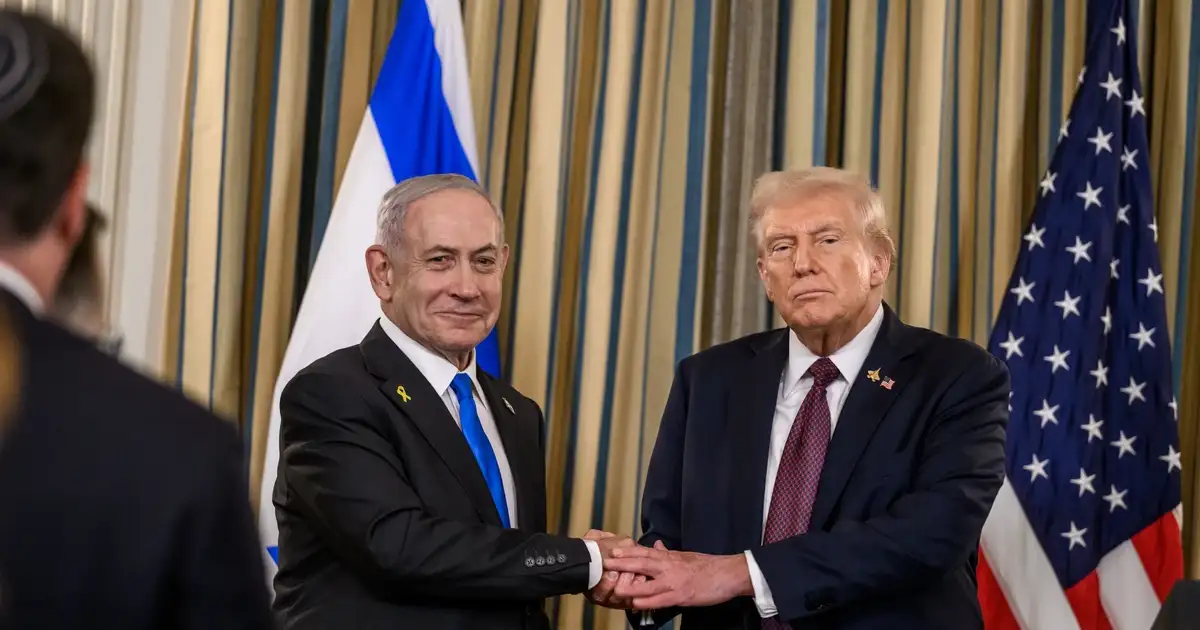
Let’s be clear: this is no mere momentary spat. This is a profound, perhaps irreparable, rupture in President Trump’s long-standing, once-unbreakable relationship with Netanyahu and, by extension, Israel itself. This is not a minor disagreement, but a public, personal, and profoundly damaging confrontation between two leaders who once boasted an almost symbiotic bond, a friendship forged in mutual admiration and shared political ideologies.
Trump and Netanyahu historically enjoyed an exceptionally close alliance, a partnership that reshaped Middle East policy. During Trump’s previous term, he delivered on key Israeli priorities: moving the US embassy to Jerusalem, recognizing Israeli sovereignty over the Golan Heights, and brokering the groundbreaking Abraham Accords. These were not just policy decisions; they were highly personal gestures, often celebrated by both leaders as cornerstones of their shared vision for the region.
The Abraham Accords, in particular, represented a significant diplomatic triumph for Trump, a point of immense pride that he likely views as jeopardized by Netanyahu’s current actions. However, their relationship has not been without its strains. Trump publicly criticized Netanyahu after the Israeli Prime Minister congratulated President Biden in 2020, a perceived slight that Trump stated made him feel “betrayed.”
That incident, however, pales in comparison to this latest eruption. This isn’t merely about policy disagreements; it’s a raw, expletive-laced explosion of personal blame, signaling a deeper, potentially fatal breakdown in their personal rapport. Such a profound rupture will undoubtedly cast a long, dark shadow over any future political cooperation, making coordination on crucial security and intelligence matters exceedingly difficult.
The Realpolitik of Trump’s Outburst
This isn’t merely a tale of harsh words and bruised egos; it’s a stark reminder of the cold, hard reality of US foreign policy under Trump. His incandescent frustration over the Hamas peace deal unequivocally signals a ruthless willingness to exert unprecedented pressure on Israel. He is willing to do so even at the cost of torching personal diplomacy, especially if he believes it serves his broader “America First” foreign policy objectives.
For Trump, results matter above all else, and if an ally is perceived as obstructing those results, even a long-standing one, they become fair game for his ire. For decades, the American taxpayer has bankrolled a significant portion of Israel’s defense, pouring billions in military aid into the alliance. A President Trump who is now openly hostile to Netanyahu, particularly over a critical peace deal, sends an unmistakable message: US aid and diplomatic backing are not, and never were, unconditional. They are ruthlessly transactional.
This “tough talk” undoubtedly plays well with a significant segment of Trump’s base, who cheer his “America First” approach and demand that US interests be prioritized above all else, even if it means challenging traditional alliances. However, it simultaneously risks alienating powerful traditional pro-Israel donors and voters, a calculated gamble, or perhaps a genuine, unvarnished display of frustration from the Oval Office. Indeed, the domestic political calculus for Trump is complex.
While some evangelical Christian voters, a key part of his base, are staunchly pro-Israel, their support is often tied to a broader vision of American strength and divine providence, which Trump can claim to embody. His willingness to challenge even Israel might be perceived by a different segment of his base as a demonstration of his unwavering commitment to putting America first, regardless of the cost to established diplomatic norms. This incident forces a re-evaluation of what “pro-Israel” truly means in the Trump era.
The Diplomatic Fallout and Regional Instability
The US diplomatic community, accustomed to the delicate dance of Middle East politics, is undoubtedly reeling from the sheer audacity of this public spectacle. A former senior State Department official told CNN:
“This kind of public friction, especially from a President, is deeply unhelpful and could have lasting repercussions for our standing in the Middle East.”
Such public friction, particularly from a sitting President, isn’t just “unhelpful”; it’s strategically disastrous. It risks shredding US credibility as a mediator and could destabilize an already volatile region. How can the US credibly broker peace when its President is publicly lambasting one of the key parties?
Such raw, public animosity will undoubtedly embolden adversaries and catastrophically complicate any future peace efforts. Iran, for instance, might interpret this discord as a sign of weakening US resolve or a fracturing of the anti-Iran alliance. Hamas, though not directly party to the call, will undoubtedly interpret this discord as a potent sign of weakening international support for Israel, potentially hardening their negotiating stance and encouraging further resistance.
Other regional allies, particularly those who joined the Abraham Accords, will be watching closely, questioning the reliability of US commitments. Netanyahu’s loyalists, predictably, will frame his position as a valiant defense of Israel’s unassailable security interests, portraying him as a steadfast leader refusing to capitulate to terms that could endanger the nation. They will likely decry Trump’s remarks as an unwarranted interference and a betrayal of a long-standing alliance, a narrative that resonates deeply with many Israelis.
But from Trump’s perspective, these remarks are not merely an unwarranted interference; they are a direct indictment, a betrayal of a long-standing alliance that he clearly believes has become one-sided, failing to deliver on his expectations. The “why” is brutally clear: Trump demands results, and he demands them now. The “what happens next,” however, is a period of intense, dangerous uncertainty for both US-Israel relations and for the broader Middle East peace process.
While the diplomatic establishment invariably prefers the quiet, nuanced ballet of backroom negotiations, Trump, as ever, prefers to light a match and watch the fireworks explode across the global stage.
The Taxpayer’s Stake in a Shifting Alliance
The everyday American taxpayer, often an afterthought in the grand geopolitical chess game, has a direct, tangible stake in this escalating drama. Billions of dollars in aid and countless diplomatic resources are inextricably tied to the health of US-Israel relations. A shifting dynamic, especially one so publicly acrimonious, means a fundamental reassessment of those commitments, a potential re-evaluation of military support, and a painful re-examination of the diplomatic capital poured into brokering peace.
Is this the new template for how the US will engage with its allies globally? When the President of the United States publicly brands a key ally a “disgrace,” the message reverberates not just through Washington and Jerusalem, but across every capital globally. This is not merely a personal spat between two strong-willed leaders; it’s a chilling signal to every nation that relies on US backing.
It starkly demonstrates that even the most seemingly ironclad alliances can be fractured, even shattered, by the personal will and caprice of a US President. This, for better or worse, is the unvarnished reality of power in Washington. This astounding, expletive-laced broadside has not merely created a diplomatic incident; it has irrevocably redefined the US-Israel relationship under President Trump.
Both leaders are now trapped in a new, uncomfortable reality: Trump must now articulate a coherent, post-Netanyahu Middle East strategy, while the Israeli Prime Minister must contend with a perilous future without the unconditional embrace of his most crucial ally. The fireworks may have just begun, but the long-term fallout will undoubtedly reshape the geopolitical landscape for years to come. The ultimate cost of this unprecedented rupture is yet unknown.
Source: Google News