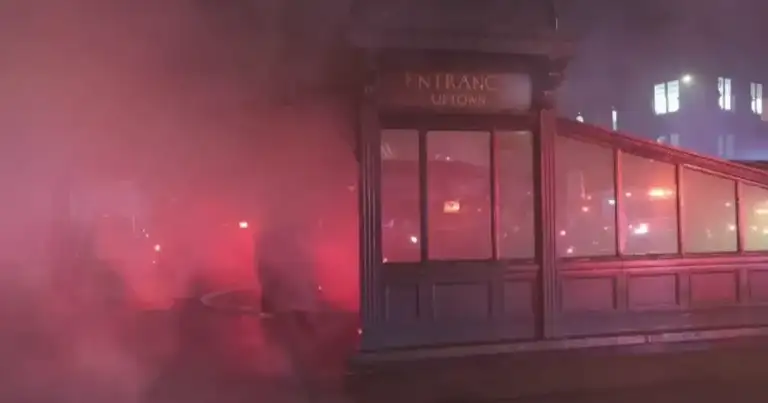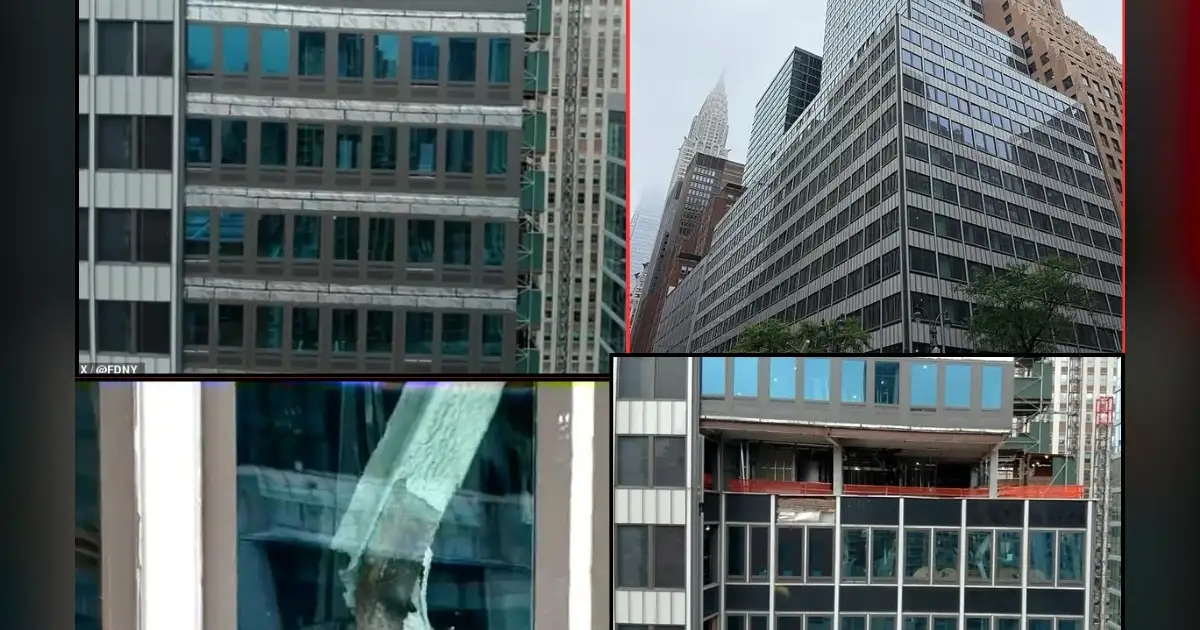

A chilling silence has fallen over a significant chunk of Midtown Manhattan. This week, what began as a routine inspection inside a prominent office tower spiraled into a full-scale evacuation, exposing not just structural flaws but the terrifying fragility of our urban bedrock. Construction workers discovered severe cracks and buckling columns, sparking immediate, visceral fears of collapse. This isn’t just a building problem; it’s a financial earthquake, threatening to devastate businesses, careers, and the very confidence that underpins New York City’s relentless ambition.
The Cracks That Shook Manhattan
The alarm bells rang on July 5, 2026. Inside a towering Midtown office building, workers performing what should have been mundane maintenance stumbled upon a nightmare. Alarming cracks snaked across load-bearing columns. Visible buckling distorted structural beams on the lower floors. Imagine the cold dread of seeing the very bones of a skyscraper failing beneath your feet.

Building management received the grim news, and within minutes, structural engineers were rushing to the scene. The New York City Department of Buildings (DOB) wasted no time, ordering a full, immediate evacuation. Thousands of employees, their daily routines shattered, poured onto the streets, their faces etched with confusion and concern. As of July 7, 2026, the building stands empty, a stark monument to structural uncertainty. Engineers are now meticulously assessing its integrity, but the future of this tower – and the hundreds of businesses and thousands of lives it housed – hangs by a thread. This isn’t merely an inconvenience; it’s a catastrophic disruption, a stark reminder that even our most formidable structures can betray us.
NYC’s Shaken Foundation: Real Estate in Crisis
Forget the carefully curated market confidence; this incident will obliterate it. Every investor will now eye older buildings with suspicion, demanding ironclad proof of structural soundness before signing a single deal. This isn’t paranoia; it’s prudent risk management. Tenants in other aging high-rises will rightfully start asking uncomfortable questions, demanding assurances their landlords haven’t been cutting corners.
Landlords who have dragged their feet on essential maintenance will pay a brutal price. Their properties, once seen as prime assets, will devalue at an alarming rate. Insurance companies, ever keen to capitalize on crisis, will undoubtedly hike premiums for commercial properties, especially for older structures, hitting balance sheets hard. This isn’t just about a single building; it’s about the entire ecosystem. New York City’s hard-won reputation as the safest, most stable place for global business takes a significant hit. Why would a company expand here, or even maintain operations, if the ground beneath their feet feels unstable? Fewer jobs, less investment – that’s the real cost of negligence.
Careers Upended: What Happens to the Workforce?
Thousands of workers from that skyscraper are now adrift. Their meticulously planned routines are shattered, their commutes rendered pointless. For their companies, productivity takes an immediate, unavoidable nosedive. Some businesses will scramble for temporary, vastly more expensive space. Others will be forced to accelerate a full-time remote work model, a transition many are simply not equipped to handle effectively.
The cost of relocation in Manhattan is astronomical. Renting new offices, even temporarily, can cripple smaller businesses, pushing them to the brink of insolvency. Layoffs, sadly, become not just a possibility but a grim reality for many. What about the careers of those directly affected? Their stability is gone, replaced by gnawing uncertainty. This is a brutal, unforgiving lesson in workplace vulnerability. It’s also a searing wake-up call for every office worker, everywhere: your job security isn’t just tied to your performance or your company’s profits. It’s inextricably linked to the very foundations of the building you work in. Are you prepared for that reality?
The Construction Industry Under Fire
Prepare for an unprecedented level of scrutiny on construction practices. Every recent renovation, every new build, will be subjected to intense, microscopic examination. Inspectors will be everywhere, like forensic detectives searching for clues of systemic failure. Contractors who have historically cut corners, who prioritized profit over safety, are in deep, existential trouble. Their reputations will be annihilated, and a deluge of lawsuits will follow, potentially bankrupting careless firms.
Conversely, the demand for truly skilled structural engineers will skyrocket. Their expertise is no longer just valuable; it’s indispensable. They are the ultimate gatekeepers of safety, and their market value has just gone stratospheric. Expect new, far stricter building codes and more rigorous, frequent inspections to become the norm. The city has no choice but to react decisively, not just to this incident, but to prevent future catastrophes. This isn’t merely a corrective measure; it’s an opportunity for the industry to purge its bad actors and reaffirm its commitment to excellence. Building safety cannot be an afterthought; it is the absolute bedrock upon which all business, all progress, is built.
The Indelible Mark: A Call to Action
This Midtown crisis serves as a harsh, undeniable reminder for every business owner, property investor, and career professional: always, always assess your risks. Due diligence isn’t an option; it’s a moral and financial imperative. Know your building. Know its history. For property owners, this is your wake-up call to invest proactively in proper maintenance. Don’t skimp on structural checks; your assets, your people, and your legacy depend on it.
For employees, this is a powerful call to be adaptable. Remote work skills aren’t a luxury; they’re a necessity. Always have a backup plan, a contingency for when the unexpected shatters your routine. Your career might suddenly need one. New York City possesses an unparalleled resilience, and it will rebuild its confidence. But this scare leaves an indelible mark, a permanent scar on the urban psyche. It’s a costly, brutal lesson on the true, non-negotiable price of structural integrity. Will we learn it, or will we wait for the next tremor to remind us?
Photo: Dietmar Rabich
Source: Google News