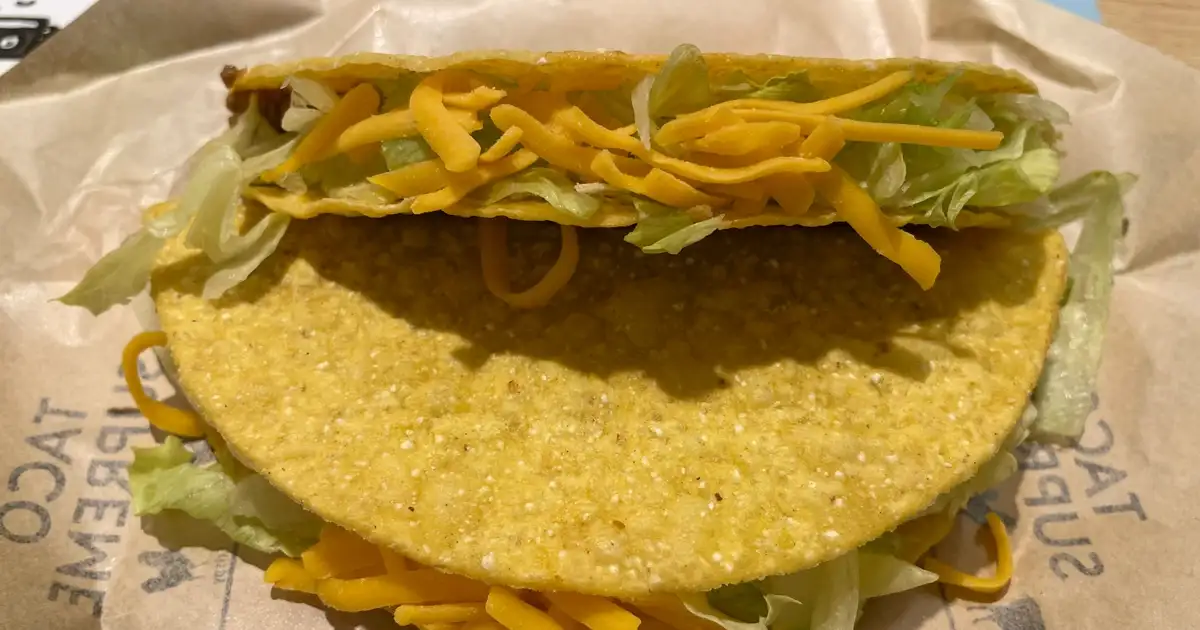

Taco Bell isn’t just serving tacos; it’s serving a full-blown crisis. A massive lettuce recall, linked to a ‘diarrhea parasite’ outbreak, has plunged the fast-food giant into a public health nightmare.
This isn’t merely a health scare; it’s a financial gut punch and a brutal test of corporate resilience. For its leadership, this is a career-defining moment where the stakes couldn’t be higher.

Over 250 individuals across 15 states have fallen ill from the insidious Cyclospora cayetanensis parasite, a silent assailant that turns a casual meal into a medical emergency. The Centers for Disease Control and Prevention (CDC) and the Food and Drug Administration (FDA) have unequivocally confirmed the link, with at least 15 hospitalizations reported. This isn’t a minor blip; it’s a widespread public health emergency.
The culprit? Contaminated shredded romaine lettuce, traced directly to supplier Fresh Harvest Farms Inc. On July 15, 2026, Fresh Harvest Farms initiated a recall of all romaine harvested between June 28 and July 12, 2026.
Taco Bell, a major client, acted swiftly, severing ties on July 16, 2026. But for many, the damage was already done.
The Immediate Financial Fallout: A Ticking Time Bomb
When public health goes south, so does the stock price – and investor confidence. Yum! Brands (NYSE: YUM), Taco Bell’s parent company, saw its shares dip by 1.8% in pre-market trading.
This isn’t just a minor fluctuation; it’s the first tremor of a potentially devastating earthquake. Analysts already project significant short-term revenue losses.
Negative publicity doesn’t just deter customers; it actively repels them, eroding the casual trust that drives impulse purchases. Temporary menu item removals, like the essential lettuce from tacos and burritos, will gut quarterly earnings. This isn’t a prediction; it’s a certainty.
Beyond lost sales, operational costs are mounting at an alarming rate. Taco Bell faces immediate expenses from the recall: product disposal, expedited sourcing from new suppliers, and colossal enhanced food safety training.
Every single one of its 7,000+ locations needs retraining, stricter auditing, and a complete overhaul of food handling protocols. This isn’t just a logistical challenge; it’s a massive, multi-million-dollar financial drain that will ripple through their balance sheets for quarters to come.
Mark King, CEO of Taco Bell, stated on July 16, 2026: “We deeply regret the illnesses reported and extend our sincerest apologies to those affected. The safety of our customers is our absolute top priority. We have immediately ceased all orders from the implicated supplier and are implementing even more stringent internal food handling protocols across our restaurants. We are fully cooperating with health authorities to ensure this issue is resolved swiftly and decisively.”
While King’s statement is a standard play from the crisis management playbook, the real test lies in the execution. Platitudes won’t rebuild trust or recoup lost revenue.
The true work, the work that defines leaders, is happening behind the scenes, protecting both the customer and the bottom line.
Reputation & Long-Term Trust Erosion: The Invisible Wound
Money talks, but reputation is priceless – and far harder to rebuild. A foodborne illness outbreak can cripple a brand for years, leaving an indelible scar on public perception.
Remember Chipotle’s devastating E. coli and Norovirus issues in the mid-2010s? Their stock plummeted, their loyal customer base wavered, and it took years of painstaking effort and massive investment to even begin to recover trust.
Is Taco Bell destined to repeat that painful history?
This isn’t Taco Bell’s first rodeo with a food safety crisis. The company faced a significant E. coli outbreak in 2006, linked to green onions, which sickened over 70 people and forced major supply chain changes.
History, it seems, has a cruel way of repeating itself, and consumers have long, unforgiving memories. This latest incident doesn’t just erode trust in Taco Bell; it casts a dark shadow over the entire fast-food industry.
People are now forced to question what they’re truly eating when they opt for convenience.
Rebuilding that shattered trust demands more than apologies; it requires massive, sustained marketing spend, transparent communication, and demonstrable, verifiable changes. Failure to do so will lead to sustained sales declines, a shrinking market share, and a grim outlook for future growth projections. This isn’t a minor hiccup; it’s a public health crisis that fundamentally compromises Taco Bell’s relationship with its customers.
A CDC Spokesperson on July 15, 2026, confirmed: “Our investigation, in conjunction with the FDA and state health departments, has identified contaminated romaine lettuce as the likely source of the Cyclospora outbreak. Consumers should be aware of the symptoms and seek medical attention if necessary.”
The scientific community has spoken. Now, it’s up to Taco Bell to prove they can listen, learn, and lead.
Careers on the Line: The Ultimate Test of Leadership
This goes far beyond corporate balance sheets. This is about careers, legacies, and the immense pressure on executive leadership.
Food safety incidents place the CEO, COO, and Chief Food Safety Officer under an unforgiving microscope. Every decision, public statement, and internal directive is scrutinized.
Mark King, the CEO, must not just lead the response; he must own it. His handling of this crisis will unequivocally define his tenure.
If the public response is deemed insufficient, if further issues arise, or if the brand struggles to recover, calls for leadership changes will be deafening. This is the moment where true leaders either rise to the occasion or are swept away.
Supply chain managers and quality control teams at both Yum! Brands and Taco Bell are fighting for their professional lives. A single point of failure at a supplier, Fresh Harvest Farms, has cascaded into a multi-million-dollar problem, costing jobs and reputation. This serves as a stark, brutal demonstration of the immense, often hidden, cost of quality control failures and inadequate supplier vetting.
For Fresh Harvest Farms Inc., the consequences are nothing short of catastrophic. Losing a major client like Taco Bell is likely a death blow, sealing their fate.
The recall costs alone are immense, and their reputation is in tatters, possibly beyond repair. This is a chilling lesson in supplier vetting and risk management for the entire agricultural sector – a warning sign etched in red.
This outbreak will force the industry to invest significantly more in advanced traceability technologies and demand far stricter auditing of agricultural suppliers. Leaders who fail to adapt, cling to outdated practices, or don’t prioritize robust safety protocols, will find their careers cut short.
The message is clear: complacency is a luxury no leader can afford. The price of failure is simply too high.
Photo: Sven-Sebastian Sajak
Source: Google News