
America isn’t just breathing toxic air; it’s choking on a bitter cocktail of systemic neglect and political cowardice. A deadly, acrid haze now smothers the nation, forcing millions across 16 states to retreat indoors.
This isn’t merely a weather anomaly. It’s a profound public health emergency, a stark reminder of how deeply our political failures now permeate the very air we breathe.

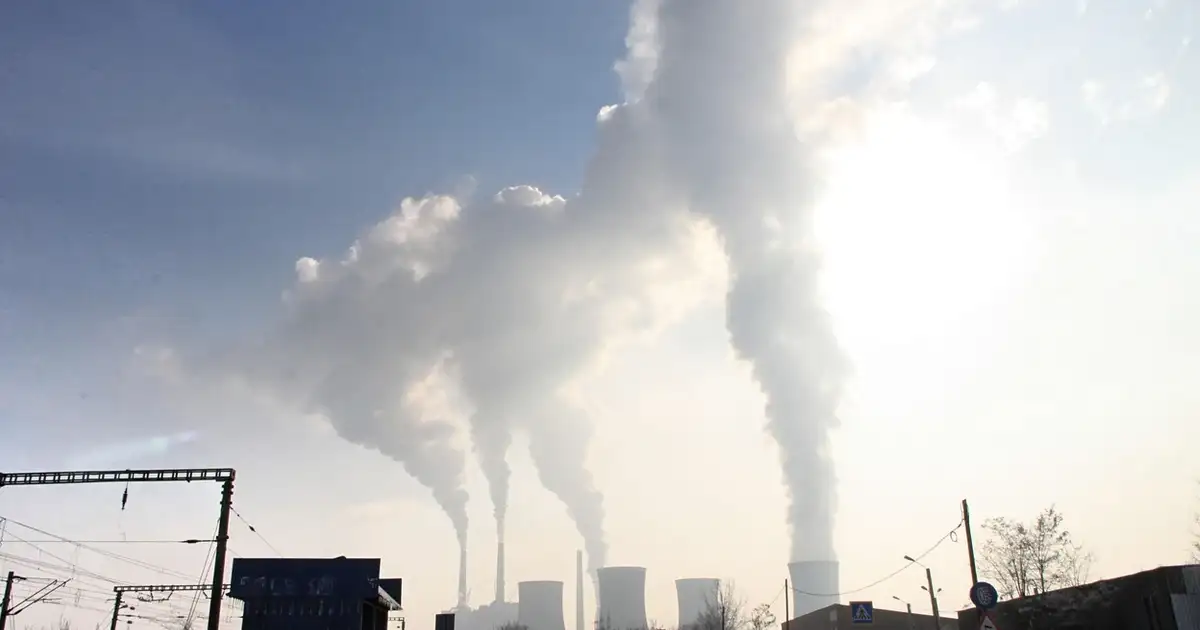
The culprit is a colossal plume of wildfire smoke, unleashed by relentless blazes in the Pacific Northwest and Western Canada.
By July 16, 2026, this suffocating blanket had drifted eastward, triggering air quality alerts that swept across a vast swathe of the country.
From the Great Lakes to the Ohio Valley, major metropolitan centers like Chicago, Detroit, Cleveland, and Pittsburgh reported Air Quality Index (AQI) levels soaring into “unhealthy” and even “very unhealthy” categories. The air is thick, visibility is compromised, and the pervasive smell of ash is a constant, unsettling companion.
The Invisible Killer: What One Day Does to Your Body
This isn’t just about a persistent cough or irritated eyes. Public health officials, often drowned out by political noise, are sounding alarms about the insidious, long-term risks.
Dr. Elena Rodriguez, Director of the CDC’s Environmental Health Division, issued a stark warning on July 16th, her voice cutting through the usual bureaucratic platitudes:
We are seeing an unprecedented spread of wildfire smoke, putting millions at risk. Staying indoors is not just a recommendation; it’s a critical health measure right now.
Consider the chilling implications of that statement. Just one day of inhaling this toxic stew can inflict lasting damage.
Microscopic particulate matter from wildfire smoke, specifically PM2.5, is designed to bypass your body’s natural defenses. These particles are so tiny they burrow deep into your lungs, crossing the alveolar membrane and entering your bloodstream. Once there, they become an invisible assassin.
This triggers a systemic inflammatory response, exacerbating conditions like asthma, bronchitis, and chronic obstructive pulmonary disease (COPD).
For individuals with pre-existing cardiovascular conditions, the danger is amplified exponentially. A single day of significant exposure can dramatically increase the risk of heart attacks, strokes, and irregular heart rhythms.
Children, whose respiratory systems are still developing, the elderly, and those with compromised immune systems are disproportionately vulnerable. They are paying the highest price for this environmental catastrophe.
Schools canceled outdoor sports, summer camps shut down, and daily life for millions ground to a halt. All because the very air we depend on became a weapon against us.
Political Hot Air vs. Real Solutions
As the nation gasped for breath, the political class did precisely what it always does: talk. White House Press Secretary Sarah Chen, speaking on July 17th, offered the familiar refrain:
This administration is committed to deploying every federal resource available to help affected communities. We must also address the root causes of these escalating climate disasters.
Sounds reassuring, doesn’t it? Yet, these empty words ring hollow when citizens are literally gasping for air.
“Deploying every federal resource” often translates to reactive measures – firefighting funds, emergency relief – rather than proactive prevention.
And “addressing the root causes”? That’s a convenient, catch-all phrase designed to deflect from concrete, immediate action.
Environmental advocates, like those at the Natural Resources Defense Council, have long demanded aggressive action to combat climate change, pushing for a swift, decisive transition away from fossil fuels. But who in Washington genuinely listens when the siren song of campaign contributions is so much louder?
Former President Donald Trump, never one to miss an opportunity for political theater, also weighed in on Truth Social. While the full details of his post were not immediately available, one can confidently predict more finger-pointing, climate skepticism, and the usual brand of partisan posturing.
The establishment, regardless of party affiliation, consistently finds a way to transform genuine crisis into a spectacle of blame and deflection.
The brutal truth is that politicians, on both sides of the aisle, are adept at discussing “climate disasters” and feigning concern.
But when it comes to confronting the fossil fuel industry – the very entities whose emissions fuel these escalating infernos – they fall silent.
The money talks louder than public health, louder than scientific consensus, and certainly louder than the pleas of a choking populace. Lobbyists ensure that. Corporate donors ensure that.
The Real Cost to Americans
So, who ultimately bears the crushing burden of this crisis? Not the multinational corporations whose carbon emissions accelerate a hotter, more volatile planet.
Not the politicians who perpetually drag their feet on meaningful, impactful legislation.
No, the cost, as always, falls squarely on you: the American taxpayer, the working family, the vulnerable citizen.
Millions of Americans are now compelled to invest in expensive air purifiers, a luxury many cannot afford.
Productivity plummets as workers miss shifts due to illness or care for sick family members. Children are robbed of crucial outdoor play, impacting their physical and mental well-being.
Healthcare systems will groan under the strain of skyrocketing emergency room visits for acute respiratory distress, cardiac events, and other smoke-related ailments. These are not abstract costs; they are tangible financial and human tolls, levied directly upon ordinary citizens.
This isn’t an isolated incident; it’s a grim, accelerating pattern. Wildfires are growing more frequent, more intense, and more destructive.
This is the direct, undeniable consequence of decades of political negligence. It’s a bipartisan failure to prioritize long-term planetary health over short-term corporate profits.
Both sides are complicit, both are beholden to special interests, and both consistently prioritize the bottom line over the well-being of their constituents.
We are told, with disarming simplicity, to “stay indoors” and “protect ourselves.” But what about the systemic failures that have pushed us into this desperate position?
What about the leaders who, despite their grand pronouncements, consistently fail to lead? They offer platitudes, empty promises, and hollow commitments while our lungs burn, our futures dim, and our very air becomes a commodity to be filtered and feared.
This is the chilling reality of 21st-century America. The air itself is now a palpable threat.
Politicians will continue their endless cycle of talk, blame, and deflection. But until genuine, uncompromising action is taken – action that challenges entrenched power and prioritizes human life – expect more days like these. Expect more suffering.
The establishment, ever vigilant, will always protect its own interests first. The American people, as ever, will continue to pay the exorbitant price.
Photo: Wikimedia Commons (query: What One Day Does toxic)
Source: Google News