
There’s a dirty play unfolding on the digital field, and it’s costing desperate renters hundreds, sometimes thousands, of dollars. Scammers are running a sophisticated rental scam right under the nose of TikTok, blindsiding would-be tenants with fake deals and leaving them stranded, often without a roof over their heads and their wallets significantly lighter.
Real estate professionals are blowing the whistle, sounding the alarm on a widespread con that preys on the most vulnerable players in the housing market. These fraudulent listings, plastered across the social media giant, promise deals so good they can only be a trap. These cons aren’t just hitting people; they’re delivering devastating financial blows, leaving a trail of frustration and despair.

The latest intelligence reveals a staggering surge in victims. Young people, often undertaking their first independent housing search, are particularly susceptible.
The scammers’ playbook is simple yet effective: lure targets on TikTok, then swiftly move conversations off-platform to encrypted messaging apps or burner email addresses. Once isolated, the pressure mounts to secure the “deal” with a quick payment, before the mark has a chance to scrutinize the play.
The Scammers’ Playbook: A Tactical Breakdown
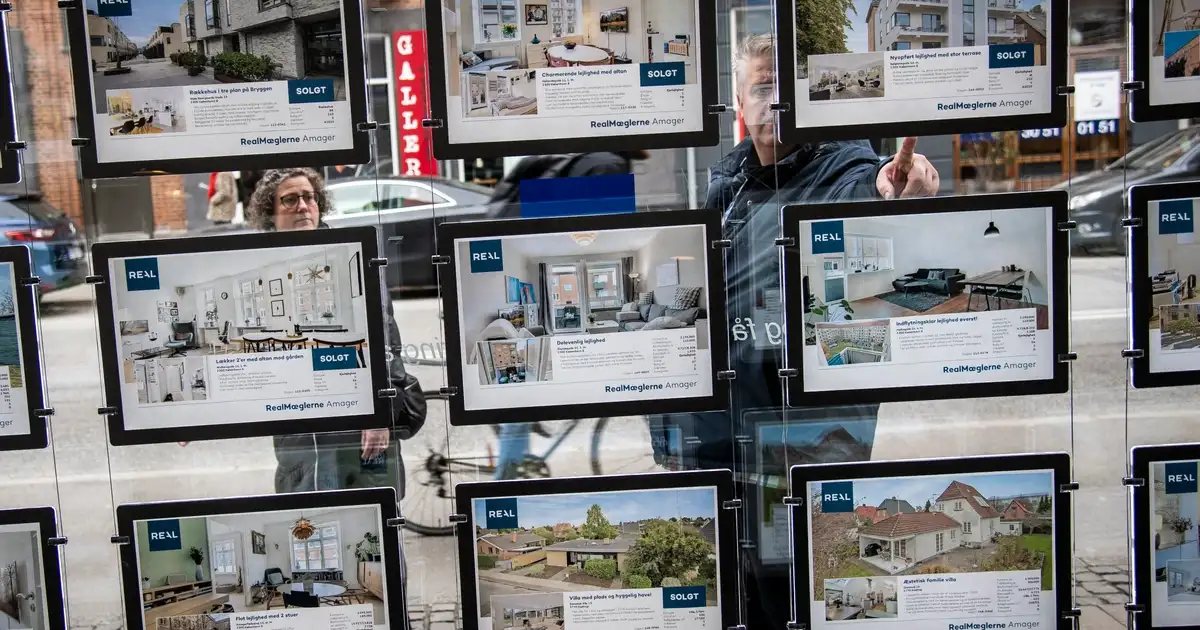
This isn’t merely a string of unfortunate incidents; it’s a meticulously calculated scheme. These fraudsters are master manipulators, employing stolen photos and videos – sometimes even fabricating entire properties with AI-generated content – to advertise rentals far below market price. It’s the classic bait-and-switch, designed to hook unsuspecting renters with an irresistible offer that doesn’t exist.
Victims are instructed to send money with urgent demands. These aren’t massive security deposits that would trigger immediate suspicion, but rather smaller, more palatable “application fees” or “holding deposits,” typically ranging from $50 to $300. This calculated moderation makes the request seem less alarming, softening the target for the inevitable rip-off.
A crucial red flag, consistently ignored by victims caught in the urgency, is the complete absence of an in-person viewing. The scammers always have an excuse ready: “The current tenant requires privacy,” or “The owner is out of town on business.”
Renters are left with nothing but empty promises, only discovering the brutal truth of the fraud when they arrive, often with all their belongings, ready to move into a property that is already occupied, or worse, entirely fictitious. Imagine the gut punch of that moment.
Reports from cities like Phoenix, Arizona, and Orlando, Florida, paint a grim picture. Families arrive with their U-Hauls packed, only to find the address is either a legitimate, occupied home with bewildered residents, or a vacant lot where no building stands. It’s a devastating blow, both financially and emotionally, leaving individuals and families scrambling for immediate shelter and facing unexpected homelessness.
Who’s On The Field? Analyzing the Impact
Every player in the housing game is feeling the crunch from this widespread fraud. Realtors and property managers are on the front lines, battling a torrent of hijacked legitimate listings.
This malicious activity doesn’t just confuse potential renters; it actively erodes trust in the entire online rental market. They’re left playing defense, explaining the mess to angry, defrauded victims who mistakenly believed their listings were legitimate.
“Our legitimate listings are being ripped off and repurposed by these scammers,” one Phoenix realtor stated, frustration evident in their voice. “It makes our job exponentially harder, and it makes people terrified to trust anyone online. It’s a crisis of confidence.”
The victims are overwhelmingly young adults, first-time renters, or families already struggling to find affordable housing in a challenging market. For these individuals, losing even a few hundred dollars isn’t a minor inconvenience; it’s a catastrophic setback that can derail their housing plans, force them into temporary shelters, and create immense financial and emotional distress. It’s a cheap shot against those least able to absorb the hit.
Law enforcement agencies are attempting to tackle this hydra-headed problem. The Federal Trade Commission (FTC) regularly issues consumer alerts, and local police departments are certainly aware of the escalating issue.
But prosecuting these elusive scammers is like trying to tackle a ghost. They often operate from overseas, employing sophisticated digital cloaking techniques to hide their tracks.
Consequently, prevention through public awareness remains their primary, albeit challenging, strategy.
TikTok itself is under intense scrutiny. Its content moderation policies are facing increasing heat, and rightly so. While the platform claims to remove fraudulent content, the sheer volume of daily video uploads makes effective policing a monumental task.
Scams spread like wildfire through their algorithm, often gaining significant traction before human moderators can even react. It’s a constant cat-and-mouse game, and right now, the mice are winning.
The Numbers Game: Hundreds Lost, Billions at Stake
This isn’t small potatoes; this is big money. Rental and real estate scams contribute to billions in losses annually, a grim statistic confirmed by the FBI’s Internet Crime Complaint Center (IC3).
Social media platforms, with their unparalleled reach and rapid dissemination of content, have regrettably become prime breeding grounds for fraud. TikTok’s short-form video format, designed for viral spread, is a perfect vehicle for these deceptive schemes.
A recent consumer watchdog report delivered a stark warning: social media housing fraud complaints surged by a staggering 15% in the last quarter alone. While individual losses might appear modest, typically ranging from $100 to $500, these small hits accumulate into massive collective damage, draining communities of vital resources and trust.
Let’s be clear: this type of fraud is not new. Scammers once exploited fake newspaper ads, then migrated to Craigslist.
Now, they’ve adapted to the digital age, operating on social media platforms. TikTok’s visual appeal, immediate engagement, and viral reach grant these fraudsters unprecedented power and speed, making the platform a dangerously fertile ground for their illegal activities.
Gridiron Gus’s Red Marker Verdict
This TikTok rental scam is more than just a cheap shot; it’s a calculated assault on the most vulnerable players in the housing market. These are individuals and families simply trying to find a safe, affordable place to call home, only to be blindsided by criminal opportunists exploiting systemic weaknesses. The system itself, particularly the platforms enabling this fraud, is failing these renters.
The real issue isn’t solely the individual scammers; it’s the digital arenas that provide them a stage. TikTok needs to step up its game, and they need to do it yesterday.
Their content moderation must be faster, more proactive, and far more effective. They profit immensely from user engagement, and with that profit comes an undeniable moral and ethical obligation to protect their users.
Right now, they’re not just dropping the ball; they’re fumbling it repeatedly, allowing these fraudsters to run up the score.
As for renters, you need to be smart on defense. Always demand an in-person viewing of any property before even considering a payment.
Never, under any circumstances, send money before you’ve physically verified the property and the legitimacy of the landlord. Cross-reference everything with local, reputable real estate agencies.
Don’t let these con artists sack your finances. Protect your playbook, because in this game, your financial well-being is on the line.
Photo: Wikimedia Commons (query: TikTok)
Source: Google News