
Forget the political punditry; President Donald Trump just unleashed a strategic bombshell, claiming he single-handedly averted the “biggest attack since WWII” against Iran in 2019. This wasn’t merely a revelation; it was a calculated power play, setting the stage, he argues, for a “historic nuclear deal” in a region currently aflame and embroiled in the US-Iran War.
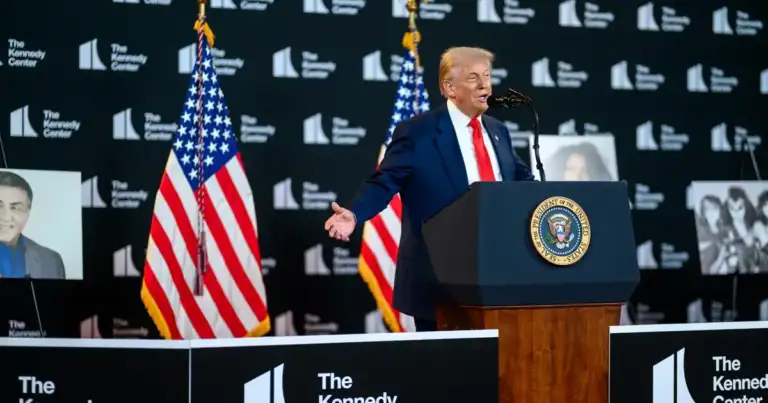
From the rally stage in Des Moines, Iowa, on Sunday, August 2nd, 2026, President Trump laid out his audacious claim. He declared a massive military operation was “fully loaded and ready to go,” only to be pulled back “minutes before impact.” This last-minute decision, he stated, was due to intelligence predicting significant casualties, presenting it as a masterclass in strategic restraint.

Trump’s Tactical Playbook: Brinkmanship as Leverage
This isn’t just a narrative; it’s classic Trump, straight from “The Art of the Deal” playbook. He asserts his eleventh-hour pivot from a full-scale assault wasn’t weakness—it was a calculated power play.
This move, even after Iran brazenly downed a U.S. surveillance drone in June 2019, created undeniable leverage. The message, he insists, was clear: Iran now understands his unyielding resolve.
The goal? A “better deal” than the original JCPOA, a deal he believes is now tantalizingly within reach. This isn’t just a historical anecdote; it’s a strategic pillar of his 2028 presidential campaign, positioning him as the singular leader capable of forging peace through overwhelming strength, even as the US-Iran War rages on, having ignited in February 2026.
“I had the biggest attack since World War II ready to go, and I called it off because I didn’t want to kill 150 people. And because I did that, it showed strength, it showed intelligence, and it showed that we could make a deal. And believe me, a historic nuclear deal with Iran is closer than ever because of that decision.”
— President Donald Trump, August 2, 2026, Des Moines Rally
This isn’t some dusty historical footnote; it’s Trump’s tactical blueprint. It directly explains how he intends to manage the treacherous waters of the current armed conflict.
The burning question for voters, global powers, and every player on this geopolitical chessboard is stark: Can a past act of calculated restraint truly de-escalate a present, hot war? Or is it merely a strategic gamble with the highest possible stakes?
Fact vs. Fiction: Critics Weigh In
Predictably, not everyone is buying President Trump’s latest strategic narrative. Many seasoned foreign policy experts and prominent Democratic figures were quick to dismiss it as a rehashed, politically convenient exaggeration.
Critics slam his 2018 withdrawal from the Joint Comprehensive Plan of Action (JCPOA) as the true catalyst for escalating tensions. This move, they argue, undeniably propelled Iran closer to nuclear weapon capabilities.
Their verdict is unequivocal: that decision made any “historic deal” a much tougher, if not impossible, play, not an easier one.
“Former President Trump’s revisionist history on Iran is dangerous. His withdrawal from the JCPOA, not a last-minute cancellation of a strike, is what pushed Iran to enrich uranium. A ‘historic deal’ is further away, thanks to him.”
— Senator Chris Murphy (D-CT), Foreign Relations Committee, August 2, 2026, via X
The current administration, deep in the trenches of the US-Iran War, grapples with the severe fallout of Trump’s initial JCPOA exit. They face immense, almost insurmountable, challenges in engaging Iran.
Trust isn’t just broken; it’s shattered. Diplomatic channels aren’t just clogged; they’re effectively blocked.
Critics argue Trump’s latest pronouncements don’t just muddy the waters; they actively poison the well. This complicates beyond measure any desperate, indirect efforts to de-escalate the region’s current inferno.
The Endgame Question: Is a New Iran Nuclear Deal Even on the Table?
This isn’t just the money question; it’s the championship-defining play. While President Trump’s audacious claim might ignite a flicker of hope, the cold, hard reality on the field is stark.
As of August 2026, direct talks between the U.S. and Iran are not merely stalled; they’re dead in the water. Indirect discussions have yielded nothing but minimal, almost imperceptible, progress.
The specter of the US-Iran War, a brutal conflict active since February 28, 2026, hangs like a suffocating blanket over any potential negotiations. This war, a brutal struggle for control of the strategically vital Strait of Hormuz, transforms diplomacy into a high-stakes, all-or-nothing gamble.
The sticking points aren’t just significant; they are monumental roadblocks. Iran demands ironclad guarantees against any future U.S. pull-outs – a non-negotiable term given past betrayals.
They insist on the complete lifting of all crippling sanctions. The U.S., conversely, doubles down on its demands to dismantle Iran’s ballistic missile program and curb its destabilizing regional proxy activities.
Photo: Wikimedia Commons (query: Iran War called)
Source: Google News