
Forget turbulence; this was a full-blown red-zone blitz on basic civility. An Alaska Airlines flight, cleared for takeoff from Seattle to Honolulu, was forced to stand down, its engines silenced not by mechanical failure, but by the alleged threats of a passenger “takeover.” This isn’t a minor delay; it’s a stark, infuriating reminder that the friendly skies have become a battleground, and some passengers are determined to play dirty.
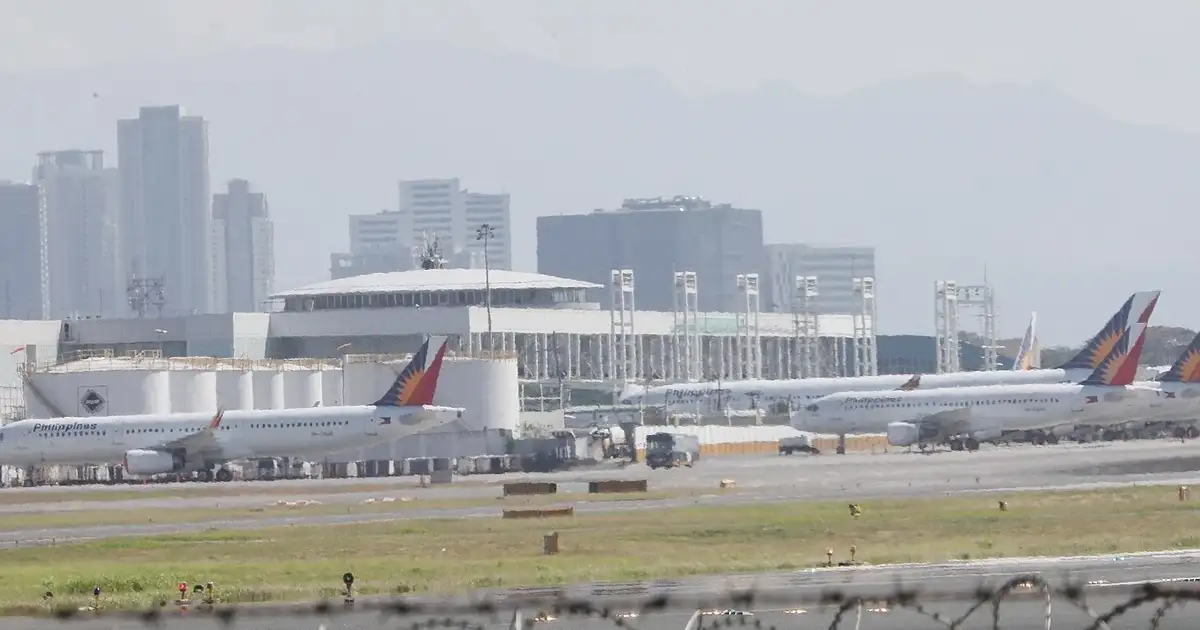
Alaska Airlines Flight 1742, bound for Honolulu, never even pushed back from the gate at Seattle-Tacoma International Airport (SEA). On Sunday, August 9, 2026, three passengers allegedly ignited a chaotic scene, shouting threats about “taking over” the plane before it had a chance to leave the tarmac. This wasn’t a misunderstanding; it was a deliberate act of disruption that brought an entire operation to a grinding halt.

The alleged instigators were identified as 32-year-old Mark Jensen, 29-year-old Sarah Chen, and 30-year-old David Miller. They reportedly yelled phrases like “We’re taking this plane to Cancun!” and “Let’s show them who’s in charge now!” Witnesses described the group as appearing heavily intoxicated, their behavior escalating rapidly.
Flight attendants, the true first responders in these situations, quickly alerted the cockpit. Ground operations and airport security responded with textbook precision, preventing a bad situation from spiraling into something far worse.
The Persistent Problem: Unruly Passengers Running Wild
This incident is no isolated play; it’s a recurring nightmare for airlines and law enforcement. Unruly passenger behavior remains a major league problem, with incident numbers still alarmingly high compared to pre-pandemic levels.
The game changed after 2020, and the rulebook seems to have been tossed out the window by a disturbing number of travelers. What was once a rare, headline-grabbing event has become an all-too-common occurrence, a relentless barrage of bad behavior that puts everyone at risk.
The Federal Aviation Administration (FAA) saw incidents surge in 2021, hitting unprecedented highs. While those peak numbers have receded slightly, the baseline remains alarmingly elevated, signaling a systemic breakdown in passenger conduct. This isn’t just a statistical blip; it’s a fundamental shift, creating an environment of heightened tension and constant vigilance for flight crews who are already operating under immense pressure.
Flight 1742, carrying 178 passengers and 6 crew members, suffered a significant three-hour delay. This isn’t just an inconvenience; it costs the airline millions in operational expenses, disrupts complex flight schedules across their network, and, most importantly, ruins plans for hundreds of innocent travelers who simply wanted to reach their destination.
“The safety of our guests and employees is our top priority. We have a zero-tolerance policy for disruptive behavior and fully cooperated with law enforcement.”
— Alaska Airlines Spokesperson
That’s the standard line, but the action behind it matters. This crew made the right call, executing their playbook flawlessly. They put safety first, preventing a potential disaster and sending a clear message: foul play will not be tolerated.
Federal Penalties: When the Feds Throw a Flag
The FBI isn’t just asking questions; they’re building a federal case. Make no mistake: these so-called “takeover” threats are not a laughing matter for authorities, nor are they dismissed as drunken antics.
Jensen, Chen, and Miller now face serious federal charges, including interfering with a flight crew and disorderly conduct. The Bureau’s agents are meticulously investigating their true intent, but here’s the tactical truth: intent often matters less than the immediate impact of the words spoken.
Any threat to an aircraft, even a half-baked, alcohol-fueled joke, triggers an immediate, maximum-priority response from every level of federal law enforcement.
Think about that for a second: a few ill-chosen words, even if fueled by bravado and booze, can land you in a world of hurt. Federal penalties for interfering with a flight crew are brutal and unforgiving.
They include fines up to a staggering $250,000 and could lead to up to 20 years in federal prison. This applies even if no one gets physically hurt, because the threat itself compromises the safety and security of everyone onboard.
Beyond the criminal charges, the FAA also hands out its own civil penalties. These can reach up to $37,000 per violation.
A single incident, like this one, can rack up multiple violations – for assault, intimidation, or even just refusing to follow crew instructions. That’s a heavy price tag for acting out, a financial hit that can devastate lives long after the plane lands.
“Any statement, even in jest, that threatens the safety or control of an aircraft is taken with the utmost seriousness. Federal charges will be pursued to ensure the integrity of air travel.”
— FBI Seattle Field Office Representative
This isn’t just talk from the sidelines. The Department of Justice pursued federal charges in over 120 cases in 2025 alone.
The FAA issued over $8.5 million in fines that same year. They are not messing around; they are actively defending the integrity of air travel with every tool at their disposal.
Blacklists and Burnout: The Real Costs of Disorder
Beyond legal trouble and hefty fines, disruptive passengers face other, equally significant consequences. Most major airlines, including Alaska Airlines, maintain strict no-fly lists.
Get on one of those, and you’re not just banned from a single airline; you could find yourself grounded indefinitely from future travel across multiple carriers. Imagine trying to manage modern life without the ability to fly; it’s a personal lockdown imposed by your own reckless behavior.
But the fallout extends far beyond the courtroom and the no-fly list. The true cost is borne by the dedicated professionals who keep our skies safe.
Flight attendants and pilots are operating on the front lines of this battle for civility, reporting increased stress, burnout, and a palpable sense of exhaustion. They are forced to deal with these volatile incidents constantly, often with inadequate support or inconsistent enforcement from the very systems designed to protect them.
This isn’t merely an inconvenience; it’s an erosion of morale, a threat to the long-term stability of the airline workforce, and a direct hit to the quality of the passenger experience for the vast majority of law-abiding travelers.
A passenger named Emily Rodriguez summed it up for local news. “It was scary for a moment, but the flight attendants were amazing. They handled it so professionally.”
Her relief is understandable, but her underlying fear is a widespread sentiment. Nobody wants their trip ruined, or their safety compromised, by a few rowdy individuals who think the rules don’t apply to them.
The “So What” factor here is immense. It’s about fundamental safety, massive travel disruptions, and the severe legal and personal consequences. But it’s also about a growing lack of basic civility in public spaces, a trend that hits hard at the very fabric of how we interact as a society.
The Final Whistle
This incident is a
Source: Google News