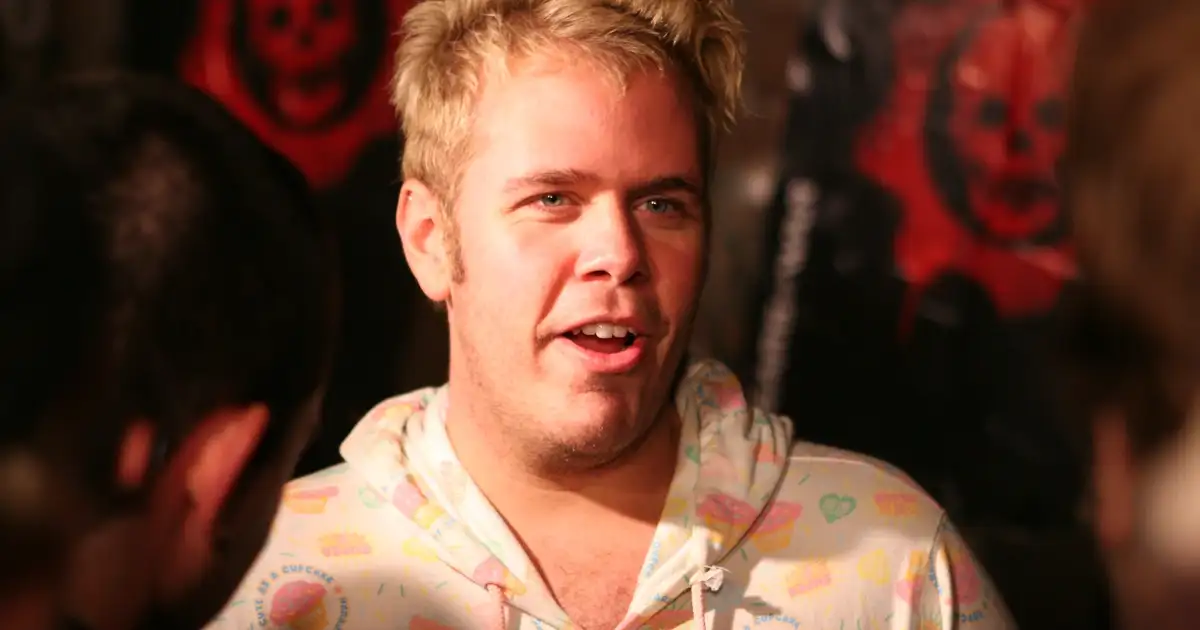

The headlines scream celebrity drama, but look closer: Perez Hilton is fighting for his life, weeks after a harrowing self-harm livestream and overdose landed him in an inpatient facility. This isn’t just another fleeting news cycle; it’s a gut-wrenching, undeniable reminder that mental health crises don’t discriminate. They hit hard, they hit fast, and they demand our attention, no matter who you are or how brightly your star shines.
The famously unfiltered celebrity blogger is currently undergoing intensive, life-saving treatment. This follows a severe mental health crisis that escalated dramatically in early July 2026, culminating in a disturbing livestream where he openly grappled with his profound struggles. The incident tragically ended in an apparent self-harm attempt and overdose, requiring immediate emergency medical intervention. After stabilization, Perez was transferred to a specialized inpatient mental health facility, where he remains.

A Glimpse Inside the Healing Sanctuary: Inpatient Mental Health Care
When we hear “inpatient facility,” many of us conjure up vague, often stigmatized images. But what truly happens inside such a place? Perez Hilton’s continued stay underscores the critical need for serious, structured care when life feels unmanageable. These programs are not a sign of failure or a last resort; they are a vital, often life-saving, lifeline for those in acute distress.
Inpatient mental health facilities provide an unwavering commitment to patient safety and well-being, offering 24/7 supervised care. This constant oversight ensures immediate intervention during acute crises, including crucial vital sign monitoring and expert medication management. Patients aren’t left to face their darkest moments alone; they are held in a secure, supportive environment.
Days are structured with intention. A typical schedule includes a powerful blend of individual psychotherapy and dynamic group therapy sessions.
Here, patients dive deep into evidence-based techniques like CBT (Cognitive Behavioral Therapy) and DBT (Dialectical Behavior Therapy). These aren’t just buzzwords; they are practical frameworks designed to help individuals identify destructive thought patterns, regulate intense emotions, and build concrete coping skills to cope with life’s challenges more effectively.
The focus is on stabilization, yes, but also on empowering patients with the tools they need to reclaim their lives.
The Courageous Commitment to Healing
Perez Hilton’s publicist recently confirmed he is “fully engaged in his healing process,” with no immediate plans for discharge. This isn’t just a temporary measure; it’s a profound, long-term commitment to his well-being, showcasing the courage it takes to truly prioritize mental health.
“Perez is continuing his intensive treatment at the facility and is fully committed to his recovery. We ask for continued privacy and support during this challenging time as he focuses entirely on his well-being.”
— A representative for Perez Hilton, TMZ, August 15, 2026
This unwavering commitment is absolutely vital. Research consistently shows that intensive inpatient programs significantly reduce relapse rates, especially for severe mental health conditions. It creates a protected space where the deep, foundational work of healing can truly begin.
Dr. Evelyn Reed, a respected clinical psychologist, echoed this sentiment, emphasizing the gravity of mental health crises.
“Perez Hilton’s situation underscores that mental health crises are serious medical emergencies, demanding the same urgency as any physical ailment. Inpatient care provides a crucial, safe environment for stabilization and the foundational work needed for long-term healing, free from the relentless pressures of the outside world.”
— Dr. Evelyn Reed, The Hollywood Reporter, August 16, 2026
Beyond the Headlines: A Universal Call to Action
Perez Hilton’s intensely public struggle, while unique in its visibility, reflects a universal and often silent truth: mental health struggles affect millions. The National Institute of Mental Health (NIMH) reports that millions experience serious mental illness annually, yet far too many never receive the adequate, life-altering treatment they deserve. Self-harm, often a desperate cry for help linked to underlying conditions like depression and anxiety, remains a growing and tragic concern.
The financial barrier to accessing this essential care is undeniable. The cost of inpatient treatment can be substantial, ranging from $500 to $2,000 per day, highlighting a systemic issue that demands our collective attention. Yet, for those in crisis, the investment in intensive care is not just substantial; it is, quite literally, life-saving.
Through his raw honesty, Perez Hilton’s journey helps to powerfully destigmatize inpatient treatment. It shatters the misconception that seeking professional, intensive help is a sign of weakness. Instead, it demonstrates immense strength, courage, and a profound commitment to self-preservation, even for those living under the harsh glare of the public eye.
This public struggle forces us to confront uncomfortable but vital conversations. We must advocate fiercely for more accessible mental healthcare for everyone, everywhere. We must also critically examine social media’s often complex and sometimes devastating role in these crises, fostering environments that support well-being rather than exacerbate distress.
Perez Hilton is doing the incredibly hard, necessary work. He is prioritizing his mental wellness, choosing healing over hiding. This courageous step isn’t just his personal journey; it’s a powerful beacon of hope and a profound message for us all: your mental health matters, your healing is possible, and seeking help is always, always a sign of strength.
Photo: Signor Paparazzo
Source: Google News