
Guinea’s Waste Crisis Reveals Systemic Collapse
The recent landfill collapse in Conakry has claimed 30 lives, exposing Guinea’s failure to manage waste infrastructure. This isn’t an isolated incident but a symptom of systemic corruption, neglect, and environmental recklessness that threaten societal stability.
The Facts That Matter
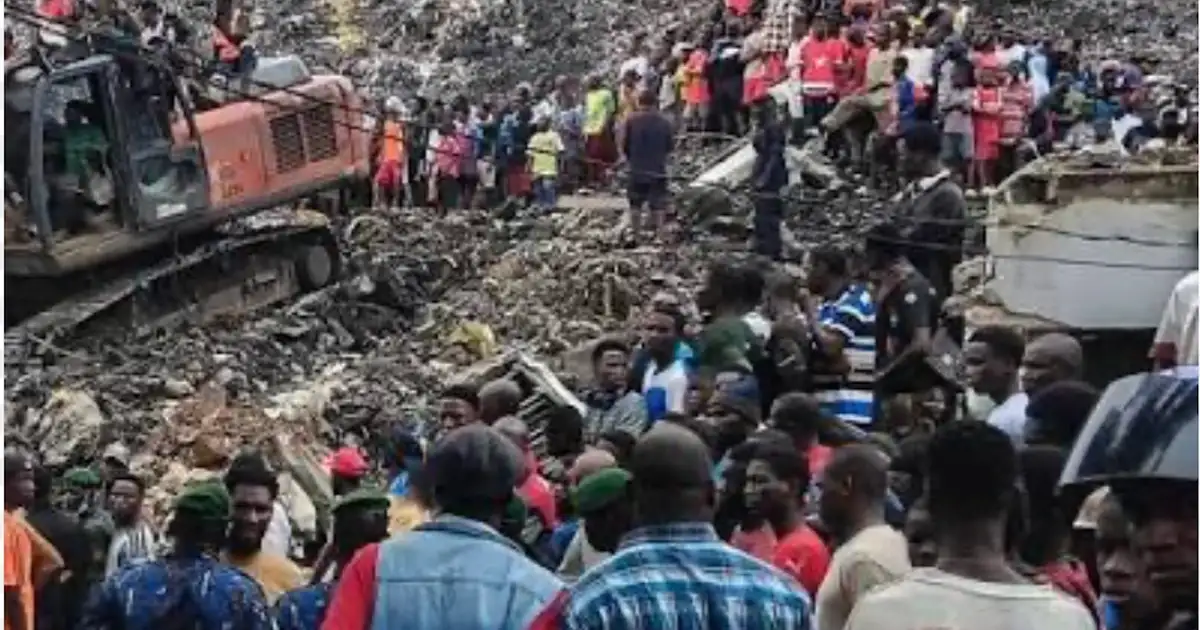
At 2 a.m. on August 22, 2026, a section of the Ratoma landfill caved in, destroying nearby homes and trapping residents. The disaster highlights Guinea’s crumbling waste system:

- The landfill has operated for over a decade without safety measures.
- Heavy rains softened the waste, destabilizing the mound.
- Guinea’s growing population exceeds the city’s waste capacity.
- UN reports show only 30% efficiency in waste management.
- A $50 million government plan exists, but progress stalls amid bureaucratic delays.
- International aid is pledged but hampered by mismanagement.
Why Did This Happen?
The root cause is leadership neglect. Officials knew the landfill was unsafe but prioritized personal gains over safety. Corruption diverted funds meant for upgrades, leaving the city vulnerable. Climate change’s weather extremes worsened the situation, turning a foreseeable disaster into reality.
The delay of reforms benefits the corrupt elite, who profit while the poorest suffer. The disaster exposes a leadership that has failed to act, with empty promises masking deeper failures.
The Political and Social Toll
President Doumbouya’s government faces mounting criticism. Critics argue corruption hampers safety enforcement. Promises of investigation ring hollow without action. Community leaders demand transparency, warning protests could erupt if inaction persists.
The displaced, many relying on scavenging, face increased health risks. The tragedy reveals how systemic neglect deepens inequality and social fractures.
Regional and International Ramifications
West African cities face similar waste crises—unsafe landfills and environmental hazards threaten stability. The UN and African Development Bank warn that infrastructure neglect is a ticking time bomb across the continent.
Guinea’s stalled response risks regional destabilization. Without urgent investment, more tragedies loom, especially amid political fragility following military rule. Delay only fuels unrest.
The Broader Picture: A Society at the Brink
The disaster underscores societal inequalities. Poor residents near the landfill, many scavengers, are now displaced and exposed to health dangers. Their suffering reflects systemic corruption and misgovernance that perpetuate poverty and chaos.
Leaders’ indifference to urban planning and waste policies fuels this cycle. The tragedy is a direct result of years of greed and neglect, with the vulnerable paying the highest price.
The Next Moves and What’s At Stake
The Ministry of Environment’s promise of an “urgent audit” is a minimal response. Without swift action, more lives will be lost. International aid faces delays, risking squandered opportunities for real reform.
Guinea must confront its environmental failures now. Continuing to stall risks more disasters and unrest. The window for meaningful change is closing fast.
The Real Villain: A System That Kills Its People
This isn’t an accident but a product of greed and systemic corruption. Leaders diverted funds, ignored warning signs, and left the landfill to collapse. Dozens paid with their lives for their negligence.
Aid can support recovery, but only political will can trigger change. Guinea’s leadership must stop dismissing this as isolated. It’s a systemic crisis—an indictment of governance and a betrayal of its people. The landfill’s collapse reflects a broken, deadly system.
When Will Guinea Wake Up?
Neglect kills. Leaders have ignored their duty for too long. Now, they face more deaths, protests, and chaos. Will they finally prioritize safety, or let the trash bury the nation?
The answer is clear: urgent, decisive action is needed. The next disaster could be even worse. The time to act is now—before it’s too late.
Source: Google News