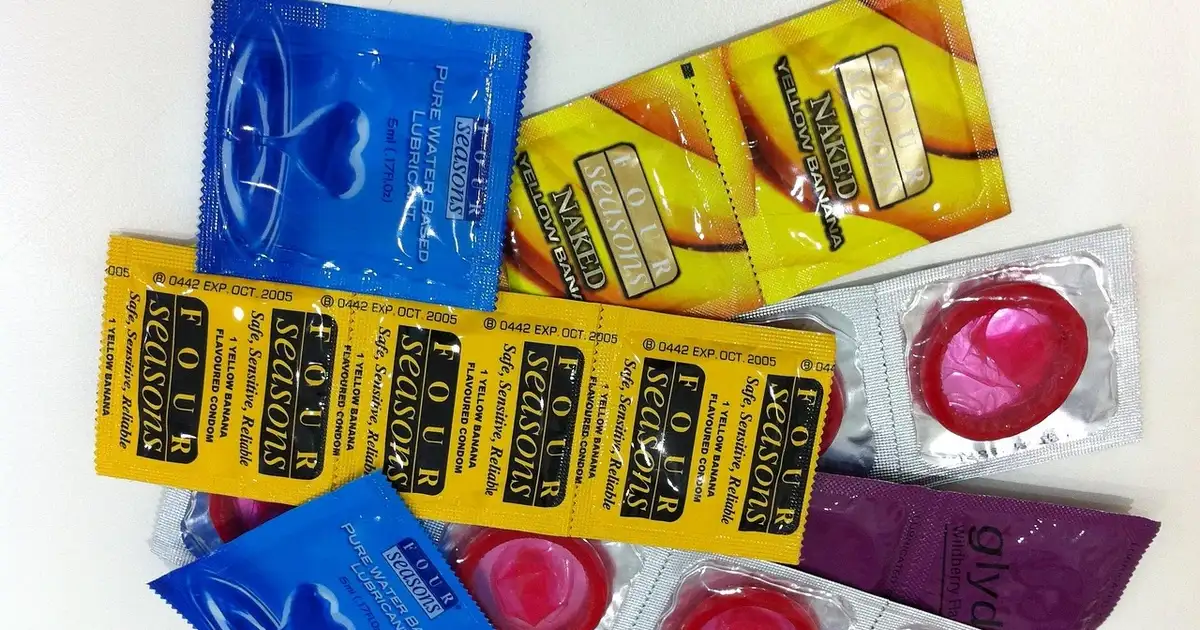

France Recalls Nearly 300,000 Condoms Amid Manufacturing Failures Threatening Public Safety
Imagine trusting a condom for protection, only to discover it might fail when you need it most. That unsettling reality has become a stark concern in France, where nearly 300,000 condoms have been recalled due to manufacturing defects that compromise their integrity. This incident exposes critical vulnerabilities in our health safety net and raises urgent questions about regulatory oversight across Europe.
Faulty condoms are not merely a supply hiccup—they represent a potential public health disaster, especially in a time when sexually transmitted infections (STIs) are on the rise. With millions relying on these products for protection, the stakes couldn’t be higher. Who bears responsibility for this lapse? And what does it reveal about the robustness of European health product regulation?

The facts you need to know
- The recall was announced on August 22, 2026, by the French National Agency for Medicines and Health Products Safety (ANSM).
- Nearly 300,000 condoms from a single batch have been withdrawn from circulation nationwide, distributed through pharmacies, retail outlets, and online platforms.
- The defective batch was produced by EuroLatex Corp., a major European supplier. The core issue? Latex inconsistency that causes tears and breakage during use.
- Public health advisories strongly recommend users immediately cease using the affected condoms. Consumers are urged to undergo STI testing and consider alternative protection methods.
- EuroLatex has publicly apologized, and several brands have initiated their own recalls, refunds, and replacement programs.
- ANSM is conducting a thorough investigation into the manufacturing process to identify the root cause and ensure such failures do not recur.
Why this matters — beyond the surface
When a condom fails unexpectedly, it shatters more than just physical trust—it threatens public health at large. The faulty latex can tear during intercourse, significantly increasing the risk of unprotected sex. Considering France reports approximately 150,000 new STI cases annually, this isn’t merely an inconvenience; it’s a ticking health time bomb.
Public health officials are sounding the alarm. “Our priority is safeguarding public health,” said Dr. Lucille Moreau, director of ANSM. “Consumers must be vigilant and take immediate precautions.”
Yet, assigning blame isn’t straightforward. EuroLatex dismisses this as an “isolated incident,” but such a characterization ignores systemic issues. This incident underscores a fragile supply chain, where a single defective batch can undermine years of public health efforts. How did a batch with latex inconsistencies slip past quality controls at such a scale? The answer points to deeper vulnerabilities.
The broader implications
- While less than 2% of the total condoms distributed in France are affected, the recall’s ripple effects threaten to undermine confidence in contraceptive safety and STI prevention programs.
- The disruption of national condom distribution initiatives targeting youth and vulnerable populations could hinder efforts to curb STI transmission and prevent unplanned pregnancies.
- What if more batches are compromised? The potential rise in unprotected sex could reverse years of progress in sexual health.
- This incident raises critical questions about the integrity of the entire European supply chain for contraceptives. Are other countries or batches at risk?
The core issue: Responsibility and regulation
Blaming EuroLatex for the manufacturing breach is only part of the story. The larger concern lies with Europe’s regulatory environment, which has historically been reactive rather than proactive. Too often, oversight agencies respond after failures occur, rather than preventing them.
Why do we accept such lapses? The supply chain’s complexity, opacity, and cost pressures frequently lead to compromised quality. When suppliers in Germany or the Netherlands cut corners on latex quality, consumers bear the brunt—through broken condoms and heightened health risks.
This incident vividly illustrates that public trust in health products isn’t automatic; it must be diligently earned through strict oversight, rigorous testing, and accountability. When these pillars falter, everyone suffers, and trust erodes.
What’s next — and what must be done
- Consumers who have used the affected condoms should seek STI testing without delay—early detection can save lives and prevent further transmission.
- France’s health authorities must overhaul their inspection and quality assurance protocols. Relying solely on routine checks is no longer sufficient in a globalized, complex supply chain.
- European regulators need to demand greater transparency and impose stricter standards on manufacturers. This isn’t an isolated incident; it’s a wake-up call for systemic reform.
- Public health campaigns should focus not only on distributing free condoms but also on ensuring their safety. Confidence in these methods must be restored to maintain public trust and health outcomes.
Trust at the heart of public health
This isn’t just about a defective batch of latex—it’s about the erosion of trust in the very products designed to protect us. When nearly 300,000 condoms fail, it sends a clear message: safety is secondary to cost-cutting, and that gamble endangers millions.
The European supply chain remains vulnerable—riddled with counterfeit products, substandard imports, and weak oversight. It’s remarkable we haven’t seen more incidents like this, but complacency is dangerous.
Europe’s health standards are supposed to be the gold standard, yet incidents like this expose glaring cracks in that armor. Will regulators finally step up and enforce rigorous standards, or will they continue to look the other way until a major crisis strikes?
Final thought: trust is on the line
The European Union must act decisively to tighten controls over health product manufacturing. Public health isn’t a place for shortcuts or cost-cutting. If France’s condom recall teaches us anything, it’s that safety isn’t guaranteed—it must be actively maintained. And right now, that trust is hanging by a thread.
This scandal serves as a stark warning: in a world flooded with counterfeit and subpar health products, consumers are paying the highest price. The real question remains—how many more failures will it take before Europe finally enforces meaningful, enforceable standards?
Source: Google News