
SCOTUS Greenlights the Ballroom: America’s Infrastructure Overreach Reaches a Critical Breaking Point
The Supreme Court’s recent decision signals a dangerous shift in federal authority, effectively allowing the bulldozing of environmental protections and silencing local voices. This move raises urgent questions about the future of American democracy and ecological health. It’s not just a legal ruling; it’s a political statement with far-reaching implications.
The Court’s Coup on Common Sense and Environmental Accountability
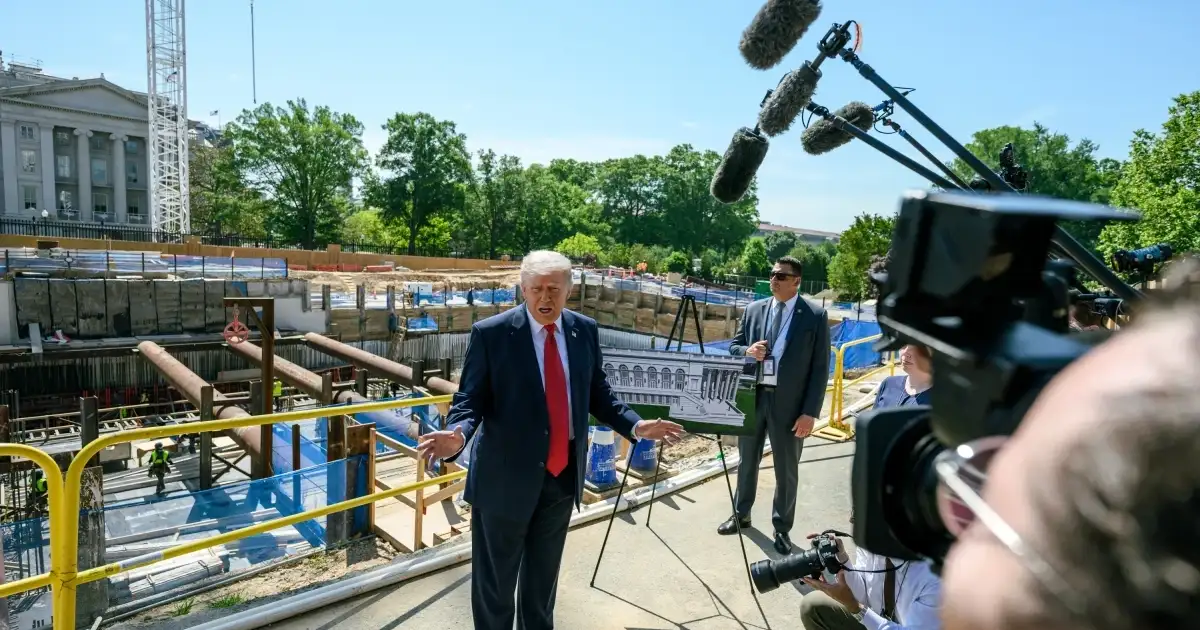
On August 20, 2026, the Court, in a 5-4 vote, reversed lower court injunctions and approved a $2.5 billion project near the Capitol. Critics warn this exemplifies unchecked federal overreach, with the Court suggesting environmental laws are now optional if the government claims urgency. Construction resumed immediately, costing $50 million a month, sidestepping environmental safeguards and community input. This marks a stark departure from the Court’s traditional role as protector of wetlands and wildlife, now prioritizing economic and political expediency.

The Timeline and Political Power Play
- Early 2025: Project announced amid praise, but environmentalists and locals raise concerns.
- Early 2026: Legal challenges mount, arguing violations of laws and procedural fairness.
- July 2026: Case reaches Supreme Court, focusing on agency overreach.
- August 20, 2026: Court’s ruling clears the way for construction, sidelining environmental and local voices.
What It Really Means: Politics Supplant People and Planet
This decision dismisses environmental stewardship and community sovereignty. The conservative majority signals federal power now outweighs ecological and local concerns. Supporters, led by Trump allies and Republicans, claim it’s a victory for “America First” infrastructure, but the cost is steep: billions spent and ongoing environmental damage ignored. Democrats and environmentalists vow to fight on, but the Court’s ruling effectively silences these voices, setting a precedent that environmental laws are now optional tools for federal agencies eager to fast-track projects.
The Winners and Losers in This Power Grab
- Beneficiaries: Trump and GOP, who see this as a triumph for unchecked federal authority, dismissing environmental concerns as obstacles to “progress.”
- Losers: Democrats, environmentalists, and local communities, whose voices are drowned out and land sacrificed for corporate interests and political gain. The Court’s decision undermines democracy, accountability, and the environment.
The Power Behind the Curtain: Who Really Controls America’s Future?
This isn’t just about building a structure; it’s about consolidating power in Washington and sidelining local communities. The Court’s ruling echoes a pattern of favoring federal projects over local input—a trend eroding democracy and accelerating ecological destruction.
This isn’t a neutral judicial act. It’s a calculated political move by a Court shifting sharply right, aligning with GOP interests for rapid infrastructure expansion. The Court bets that this project’s momentum will override environmental laws and protests, regardless of long-term damage.
The Long-Term Damage We Cannot Afford to Ignore
Every dollar invested in this project diverts resources from sustainable solutions—climate resilience, renewable energy, affordable housing. Instead, it becomes a monument to political and corporate interests, not America’s future. Environmental assessments warned of wetlands destruction, but these warnings are now moot. The Court’s green light sets a dangerous precedent: federal projects can bypass environmental laws if deemed “urgent,” opening the floodgates for ecological chaos.
What Do We Do Now? The Fight for Our Future Continues
This isn’t the end. The fight to protect our environment and communities must go on. This ruling is a wake-up call: the federal government, under Trump’s influence, is willing to bulldoze any obstacle—legal, ecological, or democratic—to push infrastructure. Our voices, ecosystems, and laws are collateral damage in this reckless rush.
How much more of America’s natural heritage will be sacrificed before resistance grows? The Court’s decision reminds us: passivity means wetlands, wildlife, and community rights will be sacrificed for political symbolism and profits. The time to act is now.
The Final Word: A Stark Warning and Call to Action
This marks a turning point—showing that today’s Court is more about wielding power than dispensing justice. The federal government’s grip on environmental protections and local democracy tightens, risking long-term catastrophe.
Will we stand by and watch our wetlands and communities be paved over? Or will we reclaim our land from Washington’s greed-driven machinery? The Court has handed us a raw deal. If we don’t fight back, the future will be paved over, polluted, and silenced—unless we raise our voices now.
Photo: David Iliff
Source: Google News