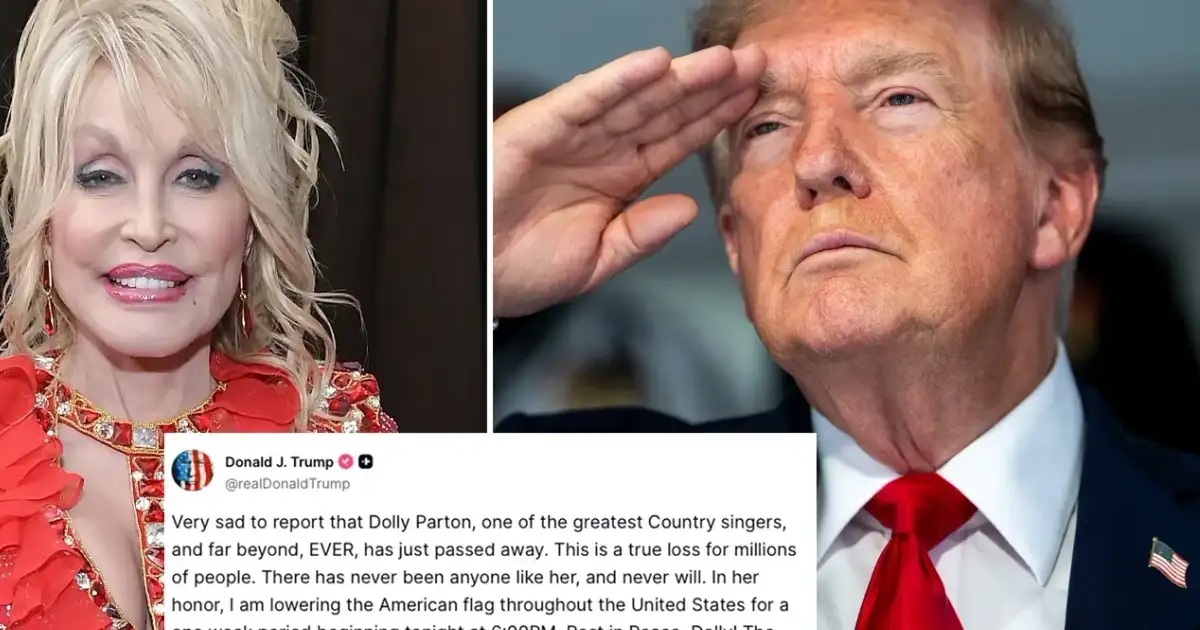


Trump Orders Flags at Half-Staff for Dolly Parton — A Political Power Play or Genuine Respect?
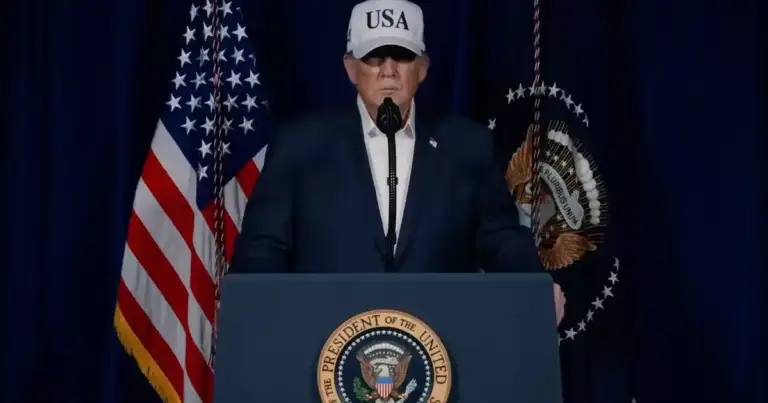
When former President Donald Trump ordered flags nationwide to fly at half-staff for Dolly Parton, it wasn’t just a tribute. It was a calculated move to reinforce his control over the patriotic narrative. Trump’s choice to elevate a beloved cultural icon into a symbol of mourning blurs the line between respect and political theater.The Facts Behind the Flag-Lowering Spectacle
Dolly Parton, a legendary singer-songwriter, died Tuesday at age 80. Trump posted on Truth Social, calling her “one of the greatest Country singers, and far beyond,” emphasizing her “cultural significance.” Within hours, flags at federal and state buildings were lowered—an act usually reserved for sitting presidents during crises. Public buildings, military bases, and landmarks followed suit, signaling a political message.- Trump’s statement: “Very sad to report that Dolly Parton, one of the greatest Country singers, and far beyond, EVER, has just passed away.”
- Flag protocol: Several government buildings lowered their flags hours after Trump’s announcement, turning a mourning gesture into a political statement.
- Public reaction: Media coverage, trending hashtags, and GOP praise amplified the move’s visibility.
What Does This Move Say About Trump’s Political Strategy?
Trump’s stunt isn’t about Dolly. It’s about positioning himself as the guardian of American icons. Few presidents have ordered flags at half-staff for a singer. Trump does it now to appear as the patriotic hero—an unassailable figure controlling the national pride narrative. This signals to supporters: “I’m still the man who controls America’s symbols.” It’s a rallying cry ahead of 2024, reinforcing his brand as the defender of traditional values. Supporters see it as classic Trump—an unapologetic patriot. Critics call it a stunt, a way to stay relevant amid legal battles and political chaos. Can one gesture shift politics? Unlikely. But it cements Trump’s role as the keeper of American symbols—powerful in a divided nation.The Cultural and Political Power of Dolly Parton
Dolly was more than a singer; she embodied resilience and the American Dream. Rising from rural Tennessee to global fame, her story symbolizes grit and patriotism. Trump’s decision to honor her taps into that narrative—hard work, patriotism, American exceptionalism. Her death leaves a cultural void. Her story and music are woven into the national fabric. Trump’s gesture aims to reinforce his role as protector of these values, even if it feels more political than heartfelt. This move also signals that Trump views himself as the last patriot standing amid a hostile landscape. Symbols are powerful, and his mastery of them remains his strongest weapon.Will This Move Translate Into Political Capital?
The question: Will this act bring political gains? It depends on how Trump uses it. If linked to themes like economic revival or security, it could resonate. His core supporters will see it as proof he’s still the patriotic leader. But overuse or perceived insincerity risks backfiring. Critics will call it exploitation of grief. Without connecting it to policy or vision, it risks being dismissed as a photo op. In the end, success hinges on how well Trump weaves this into a broader narrative—one promising a stronger America. Otherwise, it’s just symbolic posturing.Who Wins, Who Loses?
Trump’s main victory: framing himself as the keeper of patriotic symbols. Flags at half-staff become political weapons to rally supporters and intimidate opponents. Critics dismiss it as superficial posturing, a distraction from issues like inflation or legal woes. But Trump’s focus isn’t on policy; it’s on perception. Right now, he’s winning that game. Whether this symbolic gesture translates into votes depends on how he connects it to a larger message—one of economic growth, security, and cultural pride. Without substance, it’s just spectacle.The Final Word: Patriotism in the Age of Politics
Trump’s flag-lowering stunt exemplifies political symbolism wielded sharply. He’s using Dolly Parton’s death to remind everyone—supporters and critics—that he controls the patriotic narrative. It’s a bold move that screams: “I set the tone.” In a nation obsessed with symbols—flags, anthems, icons—Trump’s mastery remains unmatched. But symbols alone don’t win elections; policies do. Will this boost his bid for the White House? Or is it just another exploitation of tragedy? One thing’s clear: Trump just flipped the flag. The next move is his to make.Source: Google News