
Switzerland Faces Unprecedented Summer Ice Storm: 40 Injured in Climate Shock
Most associate Switzerland’s summer with warm weather and scenic mountains, not deadly ice storms. Yet, in July, a rare and destructive ice storm struck, injuring 40 and raising urgent questions about climate change’s reach.
The Surprising Chill of an Unexpected Summer Blizzard
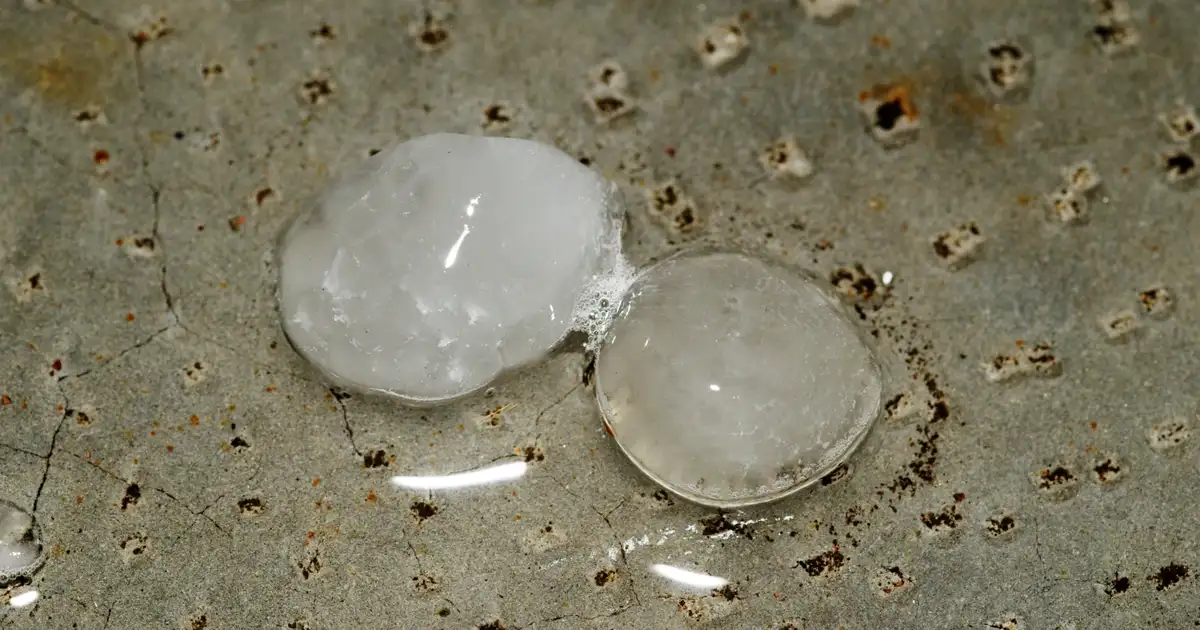
Switzerland’s iconic glaciers and mountains were caught off guard by a fierce ice storm in July. A sudden cold front collided with residual heat, transforming summer into winter overnight. Cantons like Graubünden, Uri, and Bern saw ice cover roads and landscapes, turning familiar terrain into hazards.
Forty people suffered injuries from frostbite, falls, and hypothermia. Power outages disrupted transportation and infrastructure. Temperatures dropped as much as 20°C within hours, a rapid freeze that climate experts link to broader atmospheric shifts driven by climate change.
The Swiss Federal Office of Meteorology and Climatology called it an “unprecedented summer ice storm,” highlighting how climate disruption is blurring seasonal norms.
Climate Change: The Hidden Catalyst Behind Extreme Weather
This event isn’t a freak accident; it’s a sign of a planet out of balance. Rising global temperatures fuel volatile weather—more hurricanes, wildfires, droughts, and bizarre cold snaps. Switzerland’s melting Alps destabilize regional climate, releasing cold pockets that trigger violent shifts. Accelerated glacier melt—up to 40% faster than in past decades—creates feedback loops that intensify climate chaos.
Global Ramifications: Economic and Geopolitical Consequences
Switzerland’s stability as a financial and environmental hub faces threats. Disrupted water flow from melting glaciers impacts hydroelectric power. The tourism sector, vital to the economy, risks decline as icy hazards deter visitors. A future where Swiss summers are perceived as dangerous could damage the country’s global image.
Fragile alpine ecosystems are also at risk. Rapid freeze-thaw cycles threaten biodiversity and could cause irreversible environmental damage. This isn’t just about weather; it’s about regional stability and ecological health.
Government Response and the Urgent Need for Climate Resilience
Authorities responded quickly, deploying rescue teams. President Alain Berset emphasized “climate resilience and infrastructure adaptation,” but critics argue words aren’t enough. Are current measures sufficient against the rising frequency of such events?
Swiss Meteorological Agency director Dr. Lukas Meier called the event “unprecedented” and linked it to complex atmospheric interactions intensified by warming. Similar anomalies are observed across Europe, raising questions about political will to implement systemic change amid rising tensions and limited resources.
The Escalating Threat: Why Summer Ice Storms Are on the Rise
This isn’t a one-off. Rising temperatures are making weather more unpredictable, with cold snaps and ice storms during summer becoming more common. Glaciers melting at alarming rates destabilize ice masses, creating conditions for atmospheric upheavals. Mountain regions like Switzerland are especially vulnerable, risking regional water security and economic stability.
Policymakers face mounting pressure to upgrade infrastructure and develop smarter urban planning. But with geopolitical tensions rising, the window for effective action narrows. Will cooperation happen before the next disaster?
Climate Chaos Is No Longer Future Tense—It’s Present Tense
This summer’s ice storm exposes climate change as an immediate threat. Lives are affected, economies strained, ecosystems endangered. The question isn’t if more events will happen, but when and how severe.
Switzerland’s experience should serve as a warning: ignoring these signals guarantees worse disasters. Only bold, systemic action—resilient infrastructure, accountable leadership—is the way forward. If Switzerland is already facing summer ice storms, what horrors await if we fail to act?
Conclusion: Are We Ready to Face the Climate Crisis?
This event isn’t just a freak occurrence; it reflects our collective neglect. We’re risking more injuries, economic setbacks, and environmental destruction. How many warnings must we ignore before recognizing that climate chaos is here—and it’s escalating?
Switzerland’s summer ice storm should be a wake-up call. Understanding the gravity of this moment reveals that only urgent, systemic change can prevent catastrophe. Will we wake up before it’s too late, or watch the world burn while debating?
Photo: Giles Laurent
Source: Google News