
Tehran Gas Stations Run Dry as Iran’s Economy Crumbles Under Sanctions
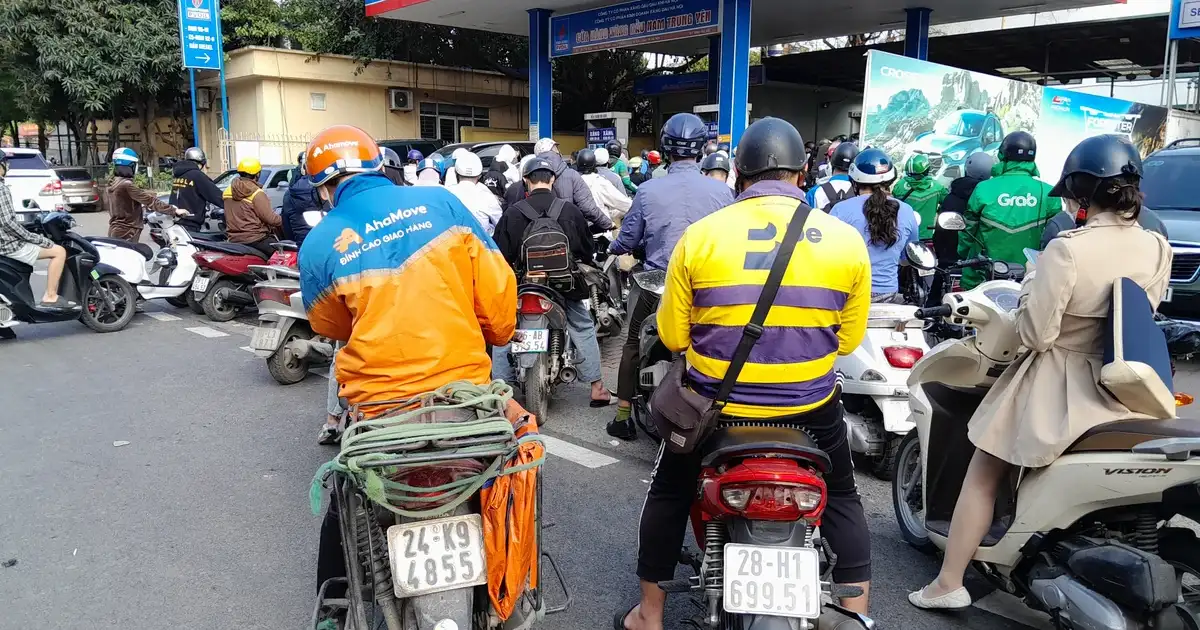
Long lines snake through Tehran as drivers wait hours for fuel, only to find stations empty. This crisis exposes Iran’s inability to provide basic services amid mounting sanctions.
The Facts: Fuel Shortage Turns Tehran Into a Gas Station Ghost Town
In the past 48 hours, Tehran’s fuel crisis has worsened. Queues stretch over a kilometer, with many stations completely out of fuel. Frustration boils over as stranded drivers confront the government’s failure to deliver.
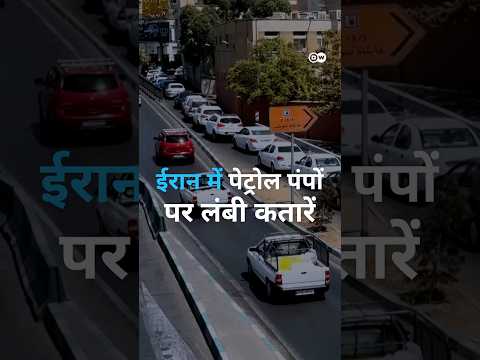
The Petroleum Ministry blames “logistical disruptions,” but sanctions are the real culprit. International restrictions cripple Iran’s ability to import essential components, choking fuel supplies. Despite promises to boost domestic refining, efforts lag far behind.
This isn’t a temporary setback. It’s a sign of Iran’s deeper economic collapse. The government’s inability to maintain infrastructure reveals a nation on the brink of chaos.
Who’s Responsible? The Regime’s Denial and the Reality of Sanctions
Tehran dismisses the crisis as “temporary issues,” avoiding acknowledgment of sanctions’ devastating impact. Experts like Dr. Leila Haddad see this as a reflection of Iran’s broader economic failure—dependent on external factors beyond its control.
The regime’s refusal to face reality fuels dangerous denial. Instead of fixing systemic flaws, officials pretend everything’s fine, while infrastructure crumbles and public trust erodes.
Public Outcry and Social Media: Rage and Desperation
Iranians flood social media with videos of long lines, stranded vehicles, and angry crowds. Many fear protests could surpass 2019’s fuel subsidy unrest, signaling a potential tipping point for regime stability.
“This isn’t just about fuel; it’s about the government’s failure to provide,”says a Tehran resident. The images underscore a leadership losing control, with legitimacy slipping away as basic functions fail.
Geopolitical Implications: Sanctions, Regional Instability, and a Fractured Iran
Regional stability hangs in the balance. Iran supplies fuel to neighbors through clandestine channels. Disruptions threaten chaos in Iraq, Syria, and Lebanon.
With sanctions tightening and limited relief from the West, Iran’s desperation may push it toward reckless regional actions, risking wider conflicts and instability in the Middle East.
Historical Echoes: Iran’s Cycle of Crisis and Repression
Fuel shortages have sparked protests before, notably in 2019. The current crisis may be worse, given intensified sanctions and internal turmoil.
Public anger grows as the government’s inability to meet basic needs persists. Instead of prioritizing its people, Iran’s leadership remains fixated on nuclear ambitions and regional dominance, perpetuating a cycle of repression.
The Real Culprit: Sanctions or Sadism?
The fuel crisis isn’t just technical; it’s a political weapon. Sanctions have strangled Iran’s economy, but corruption and mismanagement have turned external pressure into a humanitarian disaster.
Regime officials blame “enemies” and “logistical glitches,” but they are responsible. Their failure to modernize Iran’s oil industry has left the country hostage to sanctions they could have mitigated with better governance.
What’s Next? A Long Road to Recovery or Collapse
Tehran claims the shortages are “temporary,” but few believe it. Without radical reform, this crisis will deepen, sparking protests and risking public order collapse.
Regional powers watch anxiously. A destabilized Iran could spill over borders, ignite conflicts, or push Tehran into reckless regional moves. The current path points toward further deterioration unless change occurs.
Iran’s leadership has boxed itself in. The fuel crisis reveals a collapsing state, held hostage by sanctions and corruption. How long can Iran sustain itself when even basic needs are unmet?
This crisis signals the end of Iran’s façade of stability. The regime’s survival depends on acknowledgment or continued denial—either way, the cracks are unmistakable. No government can thrive when it starves its people and hides its failures behind lies.
Photo: Wikimedia Commons (query: Tehran)
Source: Google News