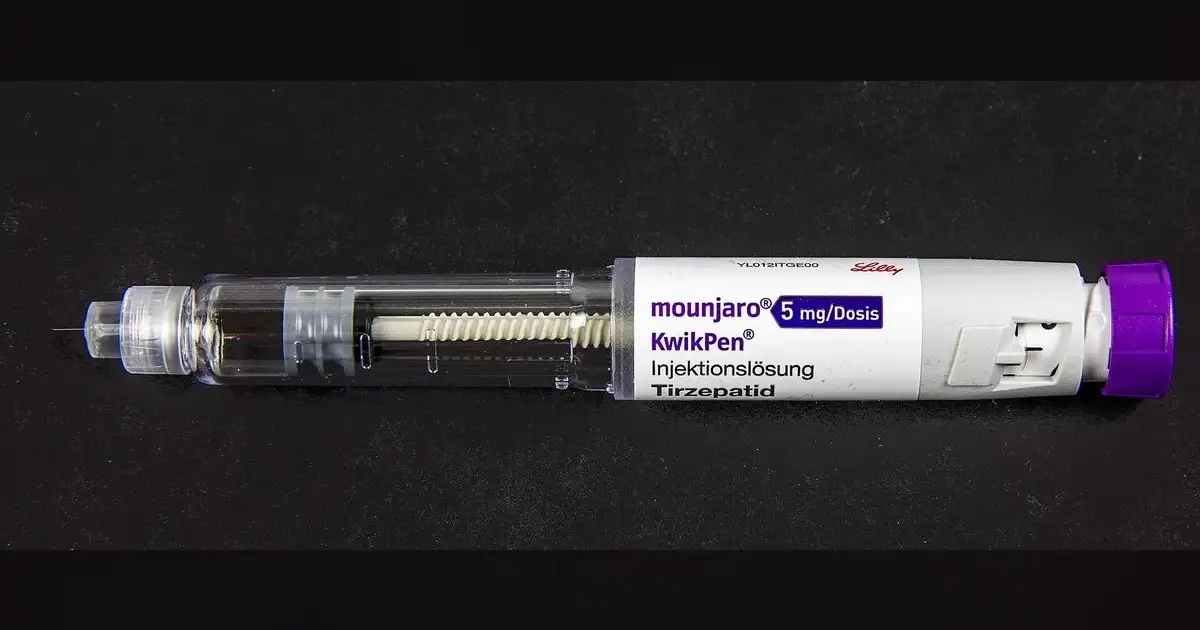

Forget the glossy ads and the celebrity endorsements. The grim reality just landed with a gut-wrenching thud: a 19-year-old university student is dead, and the finger of suspicion points squarely at the weight-loss drugs millions are casually consuming. This isn’t some back-alley rumor or speculative chatter; medical experts are now screaming about terrifying, previously underestimated heart risks from the GLP-1 agonists that have become the latest quick-fix sensation.
The entire strategy around these drugs just took a brutal, unexpected hit. Leading medical experts are sounding a loud, undeniable alarm, revealing a “little-known fatal side effect” of popular GLP-1 agonist weight-loss medications. This devastating discovery comes on the heels of that young student’s tragic, untimely death, shattering the illusion of universal safety for non-diabetic users.

The Fatal Playbook: Unmasking Hidden Heart Risks
Cardiologists and endocrinologists are not just hypothesizing; they are pinpointing specific, life-threatening threats. They highlight stress-induced cardiomyopathy, chillingly known as Takotsubo cardiomyopathy, or “broken heart syndrome,” and acute myocarditis. Let’s be clear: these are not minor league injuries or easily dismissed complications. These are direct assaults on the heart’s fundamental function.
These severe conditions are typically triggered by profound physiological or emotional stress. Now, evidence strongly indicates they are exacerbated by the rapid, dramatic body changes induced by these powerful medications. This is particularly true for individuals with undiagnosed or subtle heart vulnerabilities, and those undergoing significant lifestyle shifts often associated with rapid weight loss. The body, under such duress, can simply give out.
The true shockwave isn’t that these conditions exist – medical science has long understood them. It’s their rare, but unequivocally deadly, connection to GLP-1 use, especially as it impacts younger, seemingly healthy individuals who are taking these drugs for purely cosmetic weight loss. This is a critical distinction that has, until now, been dangerously overlooked. Are we sacrificing lives at the altar of aesthetic perfection?
Yes, GLP-1s have demonstrated significant cardiovascular benefits for diabetic patients; that much is an established medical fact. But their widespread application in non-diabetic, younger populations introduces a completely different set of less understood, and now proven, risks. Rapid weight loss, coupled with the systemic stress it places on the body, can be a lethal combination, pushing an unsuspecting heart beyond its breaking point.
Who’s On The Hot Seat? The Call for Accountability
The medical community, particularly cardiologists and endocrinologists, isn’t just suggesting; they are demanding immediate and drastic action. They insist on far more rigorous pre-screening for hidden heart conditions – even the most subtle ones – in every single patient considering these drugs. This isn’t a checkbox exercise. It requires a deep, uncompromising dive into a patient’s cardiac history. Furthermore, doctors must monitor patients with unprecedented vigilance during the initial phases of treatment. Patients themselves need robust, unambiguous education about potential warning signs. Their message rings clear: without extensive, targeted research for younger, non-diabetic users, we are flying blind.
Leading cardiologists are emphasizing the non-negotiable need for more rigorous pre-screening for underlying cardiac conditions, even subtle ones, in all patients considering GLP-1 agonists. They advocate for closer, constant monitoring during the initial phases of treatment and comprehensive patient education about potential warning signs. This isn’t just a recommendation; it’s a critical safety mandate.
Meanwhile, drug manufacturers are predictably in full defensive posture. They point to their extensive clinical trials, which they claim showed overall safety and effectiveness. They consistently highlight the well-documented cardiovascular benefits for diabetic populations, using this as a shield. Manufacturers will undoubtedly argue that adverse events are statistically rare, asserting that the benefits still outweigh the risks for the “right candidates.” They will stress the absolute importance of strictly following prescribing information and relying on diligent physician oversight. But is “rare” acceptable when the consequence is a young life extinguished?
Millions of Americans now find themselves caught in a terrifying bind. They were sold on the promise of a quick fix, a seemingly effortless path to a slimmer physique. Now, they face terrifying, existential questions: Is this drug truly safe for me? What subtle signs should I be looking for? This isn’t merely a health scare; it’s a profound crisis of confidence, eroding trust in both the medical establishment and the pharmaceutical industry.
The Dangerous Playbook for Quick Fixes: A Recurring Nightmare
This unfolding tragedy exposes a brutal, unforgiving truth about the modern market: everyone craves a shortcut to fitness, and drug companies are all too eager to capitalize on that intense demand. The allure of shedding pounds without breaking a sweat, without the discipline of diet and exercise, is undeniably powerful. But history, time and again, teaches us a harsh lesson: sometimes, shortcuts lead directly to dead ends, with devastating human costs.
We’ve witnessed this dangerous play before. New drugs burst onto the market with immense fanfare, hailed as revolutionary breakthroughs. Then, inevitably, rare but profoundly serious side effects begin to emerge, often after millions have already started treatment. It’s a high-stakes game of risk and reward, where the initial reward of weight loss seemed worth the gamble for many. Now, the risks are not just clearer; they are chillingly tangible, etched in the premature death of a young student.
The death of a 19-year-old student is more than just a statistic; it’s a gut punch to our collective conscience. It forces us to confront uncomfortable, urgent questions: Were proper, exhaustive screenings truly conducted? Was this young person, or any young person, fully informed of these specific, life-threatening cardiac risks? Or was the relentless, societal pressure to lose weight prioritized over fundamental caution and patient safety?
Doctors are now unequivocally on the clock. They must integrate these new, critical warnings into their practice immediately. Pre-screening cannot be a mere formality or a cursory glance at a medical history. It must be a forensic deep dive into a patient’s cardiac health, meticulously uncovering even the most subtle predispositions. This isn’t a suggestion; it’s an absolute, non-negotiable mandate. Failure to adapt will lead to more tragic headlines.
The Aftermath: What’s the Next Play?
The public reaction is not just building; it’s exploding. People are understandably scared, confused, and angry. They placed their trust in these medications, in their doctors, and in the system. Now, they feel blindsided, even betrayed, by the revelation of this fatal side effect. This isn’t a minor setback for the industry; it’s a catastrophic blow to its credibility, one that will resonate for years.
What about the millions already taking these drugs? Do they stop cold turkey, risking other health complications? Do they demand new, specialized cardiac tests that may not even be readily available? The current lack of clear, immediate, and authoritative guidance is creating widespread panic and uncertainty. This is a leadership vacuum, a glaring void where decisive action is desperately needed. Someone, somewhere, must step up with a clear, actionable plan, not just vague reassurances.
This isn’t just about one tragic death; it’s about systemic accountability. It’s about unflinching transparency. It’s about protecting every single person who has put their faith in modern medicine. These individuals trusted the medical community, they bought into the promises of a better, healthier body. Now, they face a terrifying unknown, wondering if the very drug designed to help them could instead be a ticking time bomb in their chest.
The stakes are too high to ignore this. This isn’t a drill; it’s a full-blown emergency. The medical community needs to huddle up, re-evaluate the entire playbook for these drugs, especially for cosmetic use, and deliver real answers, not just platitudes. The time for caution is not just now; it was yesterday. The whistle has blown on reckless prescribing. Now, the medical community must answer for the lives on the line.
Photo: Raimond Spekking
Source: Google News