
Grand Canyon Flash Flood Disaster: A Stark Wake-Up Call for Wilderness Safety and Climate Action
The recent deadly flash flood at the Grand Canyon exposes how unprepared we are for the increasing fury of Mother Nature. One hiker dead, 14 others missing—these aren’t isolated incidents; they highlight outdated safety protocols in a changing climate.
The Storm That Came Out of Nowhere: Nature’s Deadly Surprise
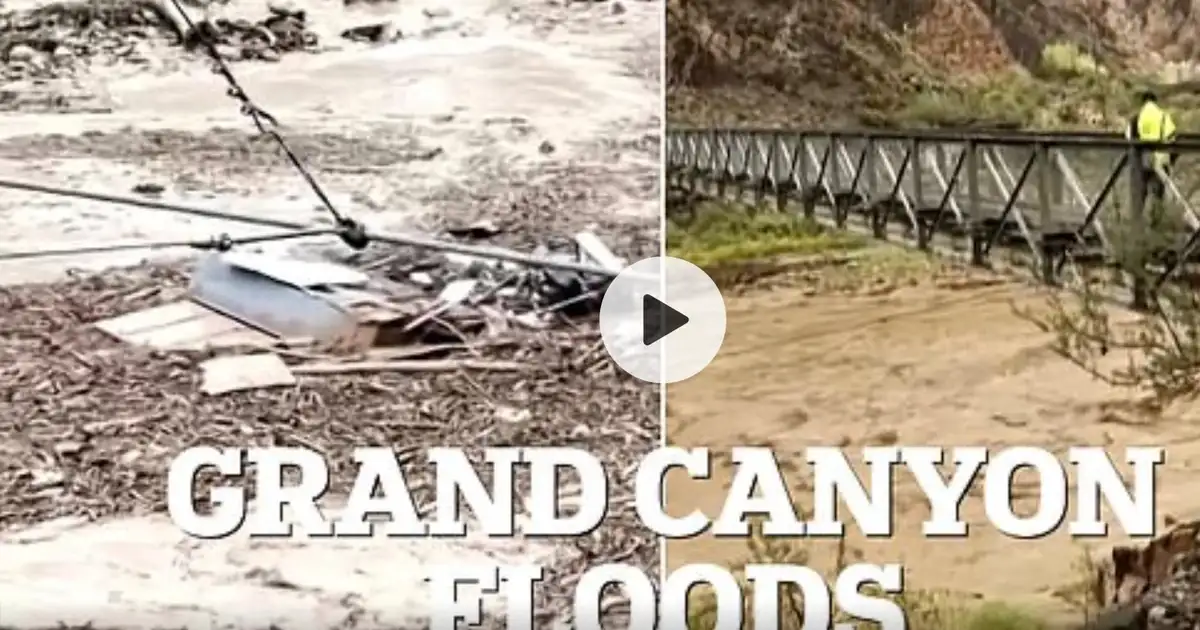
On August 29, 2026, northern Arizona was struck by a sudden, fierce thunderstorm—an all-too-familiar pattern in a region battered by extreme weather. The National Weather Service issued a warning, but it was too late. The Grand Canyon quickly turned into a lethal trap. The rapid storm caught hikers and rescue teams off guard, transforming a day of adventure into a fight for survival.

Rescue efforts were swift but hampered by the terrain’s brutality. Helicopters, drones, and ground crews scrambled to reach those caught in the chaos. Despite heroism, the grim reality remains: 43-year-old Mark Jensen from Tucson was swept to his death near Phantom Ranch, and 14 others are still unaccounted for. This tragedy reveals that nature’s unpredictability is outpacing our readiness.
The Rescue Reality: A System on the Edge
- The rugged terrain—steep cliffs, narrow trails, raging currents—makes traditional rescue nearly impossible.
- Authorities rely heavily on aerial surveillance and drones; ground access remains a nightmare.
- Search efforts continue, but survival chances diminish with each passing hour.
- Some trail sections have been closed to prevent further casualties, but is that enough?
This isn’t just a freak weather event; it’s a failure of our wilderness safety infrastructure. The rapid weather shifts caught everyone off guard because we’re not adapting quickly enough. The question isn’t if the next disaster will happen—it’s when.
Climate Change: Turning the Grand Canyon into a Deadlier Arena
Climate change is transforming the Grand Canyon from a majestic wonder into a volatile powder keg. Severe thunderstorms in northern Arizona have increased by 25% over the past decade. Rising temperatures and shifting atmospheric patterns have made flash floods more frequent, intense, and unpredictable.
This isn’t just about one storm. It’s about a disturbing trend—our planet’s relentless heating unleashing chaos on some of its most fragile landscapes. The Grand Canyon, drawing 6 million visitors annually, now stands as a stark symbol of nature’s growing power—and our neglect.
Are Our Safety Measures Enough? The Hard Truth
Despite warnings, many hikers ignore safety protocols. Trail signage warns about flash floods, but many dismiss the danger, driven by bravado or ignorance. The National Park Service has pushed for smarter early warning systems—mobile alerts, real-time weather updates—but budget constraints and bureaucracy slow progress.
Let’s face it: current safety measures are insufficient. They rely on hikers checking weather forecasts—forecasts that can change faster than we can react. Expecting people to be prepared for a storm that can materialize in seconds is naive. The tragedy raises a critical question: are we doing enough to protect visitors, or are we gambling with lives for adventure?
The Larger Issue: Wilderness Safety in an Age of Climate Crisis
This disaster exposes a fundamental failure in American wilderness management. The Grand Canyon is a national treasure—but also a ticking time bomb. Climate change fuels more violent weather, yet infrastructure upgrades and warning systems remain inadequate. The 2013 flood at Phantom Ranch caused injuries and fatalities, yet authorities relied on outdated systems and minimal signage. Did we learn from that? Clearly not.
While officials talk about “safety improvements,” climate change marches on, intensifying storms and flooding. If we refuse to act decisively, more lives will be lost, families shattered, and hikers will keep going missing—just like these 14 victims.
The True Villain: Complacency and Overconfidence
The real problem isn’t just the storm—it’s our collective complacency. Authorities have become too comfortable, and hikers too overconfident, believing they are invincible in nature’s wrath. The Grand Canyon remains a playground for those ignoring its deadly power, trusting signs and warnings that are often too little, too late.
This tragedy underscores a harsh reality: we love our wilderness but refuse to accept its deadly truths. We chase views, bragging rights, and adrenaline—all while dismissing warnings that Mother Nature is not to be trifled with. We’re playing a dangerous game, and we’re losing.
What’s Next? A Crisis Demanding Urgent Action
The brutal truth is this: the next tragedy at the Grand Canyon is already looming. As climate change accelerates, more flash floods, more missing persons, and more fatalities are inevitable. How many more lives must be lost before the government finally acts?
The answer is brutal: probably not enough, unless public outrage forces change. It’s time to invest in advanced early warning systems, upgrade safety infrastructure, and implement meaningful climate policies. Failure to do so guarantees more heartbreak and damages our national reputation.
Nature Won’t Wait—Neither Should We
This event is a stark reminder: wilderness is wild, unpredictable, and unforgiving. No signage, rescue team, or technology can fully tame Mother Nature’s fury. We can’t keep pretending human effort alone can outmatch her power.
So, ask yourself: are we prepared to pay the ultimate price for ignoring climate change and safety warnings? Or will we finally admit that some places are better admired from a distance—or avoided during storms?
The Grand Canyon has delivered a brutal lesson. The real question is: will we learn, or keep playing with fire?
Source: Google News