

Justice Delayed as Lindsay Clancy’s Fate Hangs in the Balance
The courtroom’s silence reveals a justice system paralyzed by its inability to confront mental illness. Lindsay Clancy, driven by postpartum psychosis, waits as a jury struggles to reach a verdict, exposing how America resists recognizing mental health as a mitigating factor in extreme crimes. Her lawyer’s simple statement—“Lindsay is scared and nervous”—masks a deeper truth: a woman who has lost everything—her children, her freedom, her reputation—and now faces an uncertain future. This isn’t just about a mother who murdered her kids; it’s a reflection of a system that refuses to accept mental illness as a legitimate defense.What Really Happened in Duxbury
Lindsay Clancy, 32, a registered nurse, is accused of killing her three children—Cora, 5; Dawson, 3; and Callan, 8 months—in a quiet January morning. The details are chilling: a peaceful home shattered by violence, three lives lost without warning. The nation recoiled, not only at the horror but at the mental health struggles that paint Clancy as overwhelmed by postpartum psychosis. Prosecutors argue she planned the murders, citing forensic evidence and her alleged statements. They seek accountability, framing her as a cold-blooded killer. Her defense offers a different view: a woman suffering a mental breakdown so severe her grasp on reality was shattered. They argue she was lost in postpartum depression and psychosis, and her actions should be deemed legally insane. The defense calls for compassion, emphasizing her mental state at the time. The jury has deliberated over 13 hours—reviewing forensic reports, psychological evaluations, and emotional testimonies—and remains deadlocked. This delay highlights a divide over how justice should treat mental health in such cases. Will they see past the horror to the fractured mind behind it?The Emotional Toll and the Legal Fight
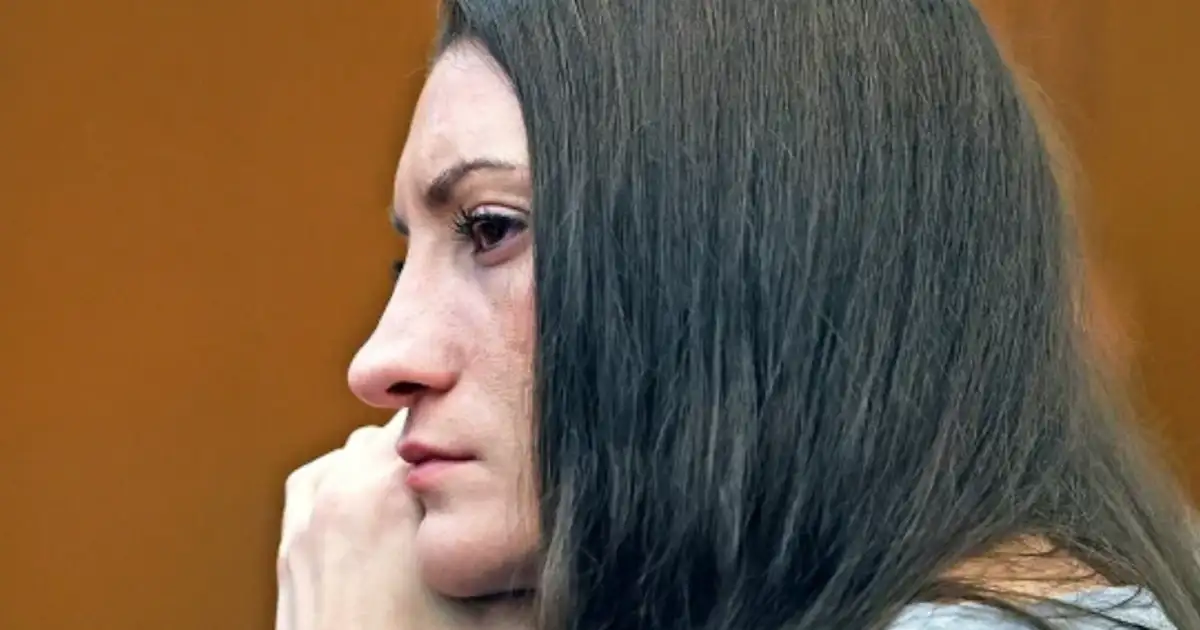
Outside, Clancy’s lawyer, Richard J. McDermott, states she’s “scared and nervous.” But those words barely touch the surface. Behind her pallid face is a woman who lost her children, her freedom, her reputation—her life reduced to uncertainty, awaiting a jury’s decision. The prolonged deadlock exposes a flaw: how do we judge responsibility when a mother, in psychosis, is less culpable? The jury’s inability to reach consensus signals a justice system at odds with reality. It reveals reluctance to accept mental illness as a mitigating factor, especially in such heinous acts. This isn’t solely about guilt or innocence. It’s about society’s willingness to acknowledge that mental illness can drive someone to commit unthinkable acts. The jurors’ hesitation reflects a broader failure to integrate mental health into justice.The System’s Blind Spot: Mental Health in Court
This case exposes a harsh truth: America’s legal approach to mental health remains outdated. Clancy’s history of postpartum depression and psychosis isn’t incidental—it’s central. Experts testified she was in crisis when she murdered her children, yet the law treats mental health as a binary. The jury’s indecision underscores how far the system is from embracing mental health as a legitimate, mitigating factor. Ignoring this isn’t just legal neglect; it’s a moral failure. Pretending mental illness is irrelevant in such crimes perpetuates harmful myths—that mental health issues are excuses, not real factors.Why the Verdict Matters Beyond the Courtroom
The jury’s delay isn’t just about Lindsay Clancy. It’s a mirror of society’s struggle to reconcile mental illness with justice. Will they convict her of first-degree murder, dismissing mental health as a defense? Or find her not guilty by reason of insanity, recognizing her mind was too broken? A harsh conviction would reinforce the idea that mental illness is an excuse. An acquittal or insanity verdict could push reform but also highlights how much the system ignores mental health realities. Are we doing enough to prevent tragedies like this? Or are we failing women who silently suffer? Ignoring postpartum mental health risks more women reaching breaking points without help. The question isn’t just about Lindsay; it’s about society’s failure to support vulnerable women before it’s too late.The Bigger Picture: Society’s Blind Eye to Postpartum Psychosis
Lindsay Clancy’s case isn’t isolated; it’s a symptom of a nationwide neglect of postpartum mental health. Experts estimate postpartum psychosis affects 1 to 2 women per 1,000 births—a severe emergency that often goes undiagnosed. Stigma and dismissiveness deepen the crisis. Many women suffer in silence, afraid to seek help or unaware of warning signs. When tragedy strikes, blame is unfairly placed on the woman, not the system that failed her. To prevent future tragedies, we need better screening, increased resources, and societal acceptance of mental health struggles. Without these, more women could reach their breaking point—and society will have only itself to blame.The Verdict or the Verdict’s Absence: What Comes Next?
The jury’s silence continues, but the question remains: will Clancy’s mental health history influence their decision? Or will they default to punishment, ignoring the complexities of postpartum psychosis? The delay isn’t just procedural—it reflects how little society values mental health in justice. The real verdict isn’t just what the jury decides; it’s what kind of society we’re building—one that recognizes mental illness as part of human experience or one that dismisses it as irrelevant. This case isn’t just about Lindsay Clancy. It’s about whether we’re willing to understand and address mental health in our justice system—before more women suffer in silence, with no one to help them.Source: Google News