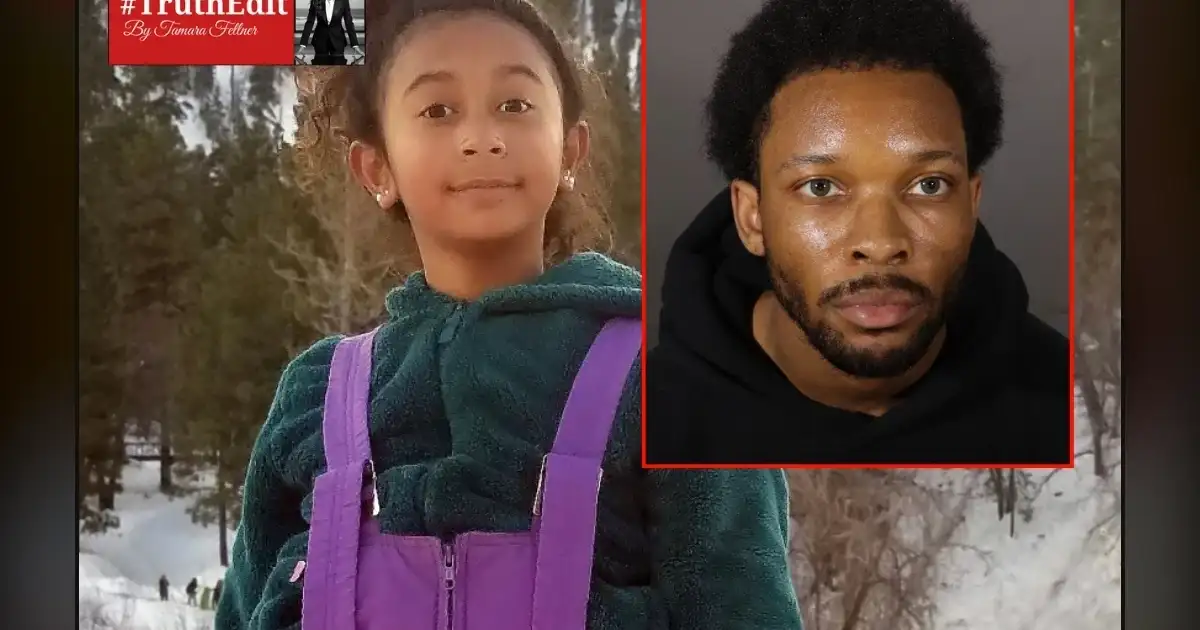

The Rivas Family’s Call for the Death Penalty Is a Heartless Power Play
When a 15-year-old girl is brutally murdered in her own home, grief can distort justice into something darker. The Rivas family’s demand for the death penalty for their daughter’s alleged killer, D4vd, just days before her 16th birthday, exposes a troubling desire for revenge that risks pushing society toward moral chaos.
The Facts Are Clear. The Family’s Revenge Is Not
Celeste Rivas’s life was violently taken in Fresno, California, in a crime that shocked the community. The evidence points to 17-year-old David V. D., known as D4vd, who was quickly arrested and charged with first-degree murder. But behind the headlines, details of planning, motive, and circumstances remain unclear—still emerging.

- Celeste’s body was found in her home on September 3, 2026.
- D4vd was taken into custody shortly after the crime.
- The family’s legal team has called for the death penalty.
- The family spokesperson said, “Celeste’s life was stolen in a way no family should endure. If the law permits, we believe the death penalty is the only fitting response to such evil.”
Mom and Dad Say They Want Justice — At Any Cost
Celeste’s parents have spoken out for the first time since her death, describing her as “bright, compassionate, full of potential.” Their grief is raw. “We want D4vd to face the full extent of the law, including the death penalty,” her mother said, voice trembling. Her father added, “He was old enough to understand what he was doing. Justice must be served fully.”
They blame the juvenile justice system for failing to prevent this tragedy, insisting D4vd should be tried as an adult. Their outrage is rooted in a desire for revenge that clouds rational debate. But should grief override legal standards?
California’s Legal Limits and the Political Firestorm
California’s law bans executing minors. Since 2006, the state has had a moratorium. Yet, prosecutors and family advocates push to try D4vd as an adult, arguing the crime’s brutality warrants it.
This debate isn’t new. Some legislators seek to expand capital punishment for extreme juvenile offenders, while others oppose it on moral grounds. The Supreme Court’s Roper v. Simmons ruling in 2005 declared executing minors unconstitutional, emphasizing that juveniles are less culpable and more capable of rehabilitation.
The Justice System Fails Again
The legal system faces a paradox. It can’t legally execute D4vd, but prosecutors want to try him as an adult. If successful, he could face life without parole—seen by some as justice, but others as a moral failure. The idea of lifting the moratorium remains controversial and distant.
This legal limbo exposes the fragile line between justice and revenge, risking a broader societal debate about morality and fairness. The law is clear: executing minors is unconstitutional. Yet, emotional appeals threaten to blur these boundaries, setting a dangerous precedent.
The Real Issue: Revenge or Justice?
Justice upholds societal norms and protects the innocent. Revenge is a visceral impulse—an attempt to soothe grief through bloodshed. The Rivas family’s demands are driven by grief and fury, not rational justice. But is that justice, or just barbaric revenge disguised as morality?
Legal standards exist for a reason. Executing juvenile offenders is morally wrong and legally barred in California. Pretending otherwise undermines fairness and human dignity.
The Danger of Giving Families What They Want
Justice systems must resist revenge’s siren call. Yielding to grieving families’ wishes abandons the rule of law and sets a dangerous precedent. The death penalty for minors has been outlawed nationwide because it’s inherently cruel and prone to error. The risk of wrongful punishment is too high.
History shows wrongful convictions and executions of innocent minors. Do we want to repeat that horror? Or are we feeding revenge, sacrificing morality?
The Media and Public Divide
The American public is split. Polls show about half support the death penalty in extreme juvenile cases, while the other half oppose it, citing morality, wrongful punishment risks, and potential for rehabilitation. Many believe minors should not face execution regardless of the crime.
Supporters argue justice demands harsh punishment. But California’s laws are designed to prevent barbarity. The law is clear: juveniles cannot be executed.
The Moral and Legal Wrongs of Revenge
Revenge clouds judgment. It turns justice into violence, deepening wounds. The Rivas family’s call for death is rooted in grief and fury—understandable, but dangerous.
It undermines fairness and the rule of law. Allowing grief and rage to override legal standards risks turning us into monsters—just what we condemn.
The Bigger Picture: Justice or Chaos?
This case raises a fundamental question: what society do we want? One that values rules, fairness, and human dignity? Or one that yields to rage and revenge, eroding moral standards?
California’s laws protect the innocent and uphold morality. Trying D4vd as an adult may be legal, but executing him as a minor? That’s a line society must refuse to cross. It’s a moral boundary that must remain intact, regardless of grief or fury.
The Final Word: Justice Is Not Revenge
Celeste Rivas’s family has every right to mourn and seek justice. But demanding the death penalty for a 17-year-old reveals a moral blindness that threatens core principles. Justice relies on fairness, compassion, and law—not bloodlust.
The courts will decide D4vd’s fate based on legality and fairness. That decision must be guided by reason, not rage. Abandon that, and we risk becoming the monsters we condemn.
The question remains: will California uphold the rule of law, or succumb to emotional pressure and turn revenge into policy? The answer will define us all—and our society’s moral future.
Source: Google News