
Amazon’s Rapid Fleet Expansion Is a Time Bomb: This Crash Is Just the Beginning
When a cargo jet crashes at Miami International Airport, it’s a stark warning that Amazon’s push to dominate logistics may be reckless. This isn’t a freak incident; it’s a sign that rushing ahead without proper safety checks could lead to disaster.
The Scene of the Crash: What We Know
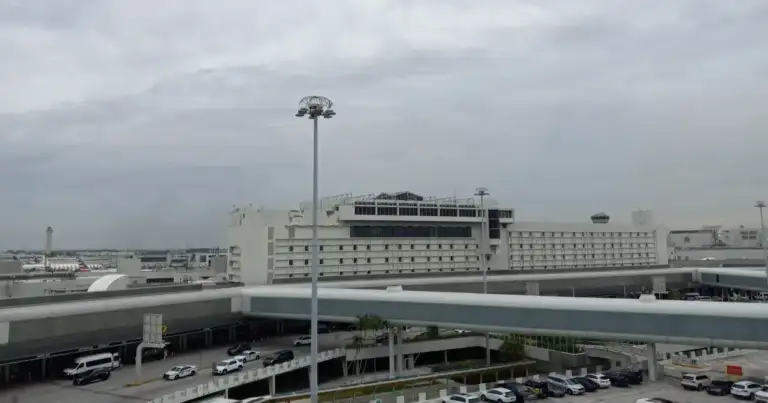
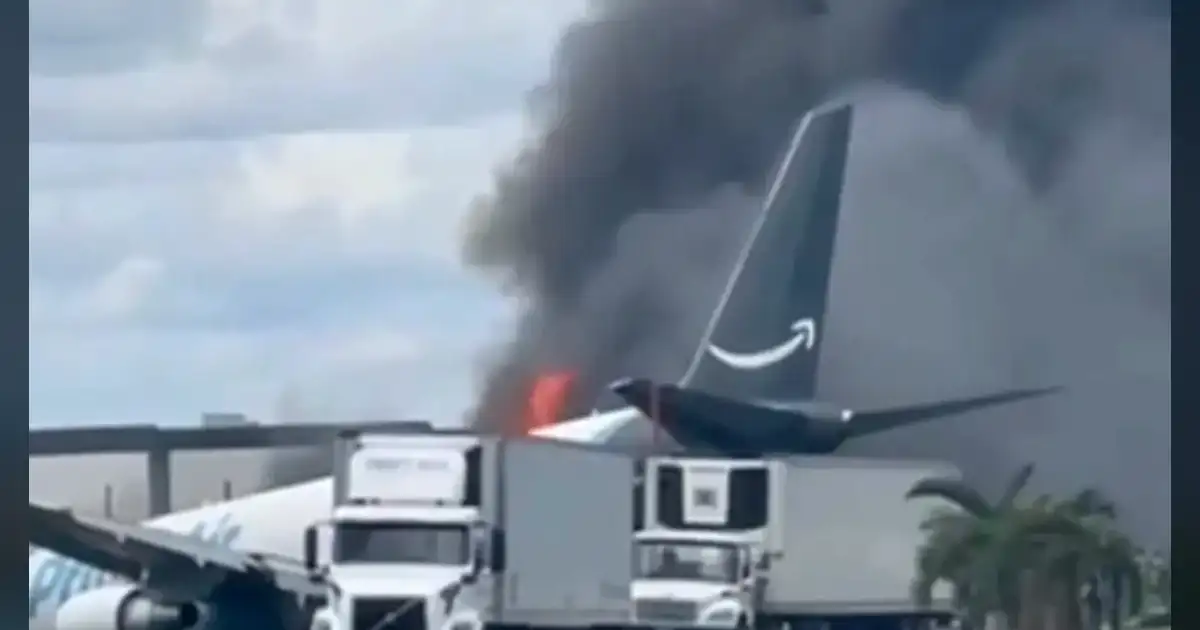
Early September 5, 2026, just after 2:15 AM, a Boeing 767-300F—one of Amazon’s main cargo planes—skidded off the runway during a flight from Dallas-Fort Worth. Witnesses saw sparks, debris, and chaos. No fatalities, but several crew members were seriously injured.
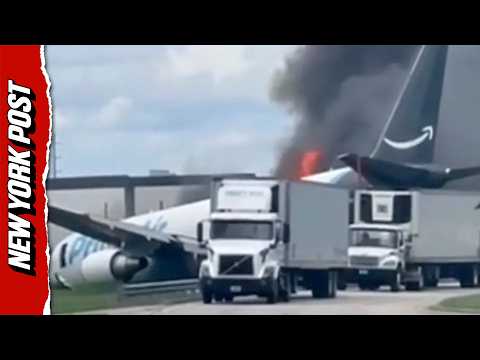
This isn’t a minor glitch. It’s a high-profile failure that hints at safety shortcuts. Amazon’s cargo fleet has grown over 50% in two years, now exceeding 150 planes, mostly Boeing 767-300Fs. The rapid expansion raises questions about maintenance and oversight.
What the Authorities Are Saying
The FAA is investigating. Weather may have played a role—heavy rain and wind—but the bigger concern is how much Amazon’s aggressive growth contributed. That’s the real issue.
FAA spokesperson John Miller said, “We are investigating all aspects of this incident and will prioritize safety and transparency.”
Amazon’s chief logistics officer, Lisa Grant, expressed concern for the crew and pledged cooperation. She noted the cargo included vital medical supplies and consumer goods—showing how crucial Amazon’s fleet has become.
The Red Flag: Safety Oversight in a Speeding Company
Amazon’s rapid growth has come with safety lapses. The company added over 50% more aircraft in two years, mainly Boeing 767-300Fs. This scale-up is massive, but safety checks, pilot training, and oversight seem to be suffering.
Cargo airline accidents are rare—less than 0.1 incidents per 100,000 flight hours—but when they happen, they can be catastrophic. The last major U.S. cargo crash was DHL’s Boeing 757 in Houston in 2018. Amazon’s Miami crash is a warning: rapid growth without safety measures is dangerous.
Why Amazon Is Playing with Fire
Amazon’s logistics network is vital for its survival. Controlling the supply chain is non-negotiable. But this crash exposes a flaw: the company’s obsession with growth is outpacing safety.
Critics say safety protocols are outdated and overwhelmed. Insiders warn that the push for volume is costing reliability and safety. Speed now seems to trump caution, turning Amazon’s fleet into a ticking time bomb.
Historical Lessons and Future Risks
This isn’t Amazon’s first safety issue. The 2018 DHL crash prompted industry reflection. Cargo planes often fly under less scrutiny but carry hazardous and critical goods. If Amazon keeps pushing without proper safety investments, more disasters are inevitable.
Miami’s weather challenges and tight runways only increase the risk. As Amazon’s fleet grows and global supply chains tighten, the question isn’t if another crash will happen, but when.
The Industry’s Next Move
Safety advocates call for stricter oversight. Amazon’s rapid expansion needs higher standards—rigorous checks on maintenance, pilot training, and protocols. The FAA’s investigation should reveal if shortcuts were taken.
However, don’t expect regulators to clamp down hard. Amazon’s influence is vast, and industry insiders warn that official narratives will downplay this crash as weather-related while secretly questioning the sustainability of Amazon’s growth.
The Final Word: Who’s Really to Blame?
This crash reflects Amazon’s leadership prioritizing expansion over safety. Their relentless drive to dominate logistics is a gamble. The Miami incident, at a weather-challenged hub, highlights the dangers of unchecked growth.
Amazon’s cargo fleet is a ticking time bomb. The obsession with volume over vigilance risks lives and could lead to a disaster far worse than this crash. It’s not just bad luck—it’s corporate greed at play.
What’s Next?
The FAA will determine if maintenance lapses or pilot errors caused the crash. But the core issue remains Amazon’s obsession with speed—a dangerous game that could cost lives. How many more crashes before regulators step in?
The company’s empire rests on fragile ground. This crash should be a wake-up call—not just for Amazon, but for the entire logistics industry. Without safety as a priority, the next disaster could have global repercussions.
Amazon’s leaders must ask: how many lives are they willing to gamble for faster deliveries? Rushing safety is a gamble with deadly stakes—and they risk losing if they don’t change course.
Photo: Wikimedia Commons (query: amazon boeing 767 crash)
Source: Google News