
US Strikes 3 Iranian Tanks in Gulf: Biden’s War Game Edges Closer to Full-Scale Conflict
U.S. forces targeted three Iranian military tanks in the Gulf, signaling a dangerous escalation. This isn’t a routine incident; it’s a move that could push the region toward open warfare with Tehran.
Hard Facts: The Strike Details
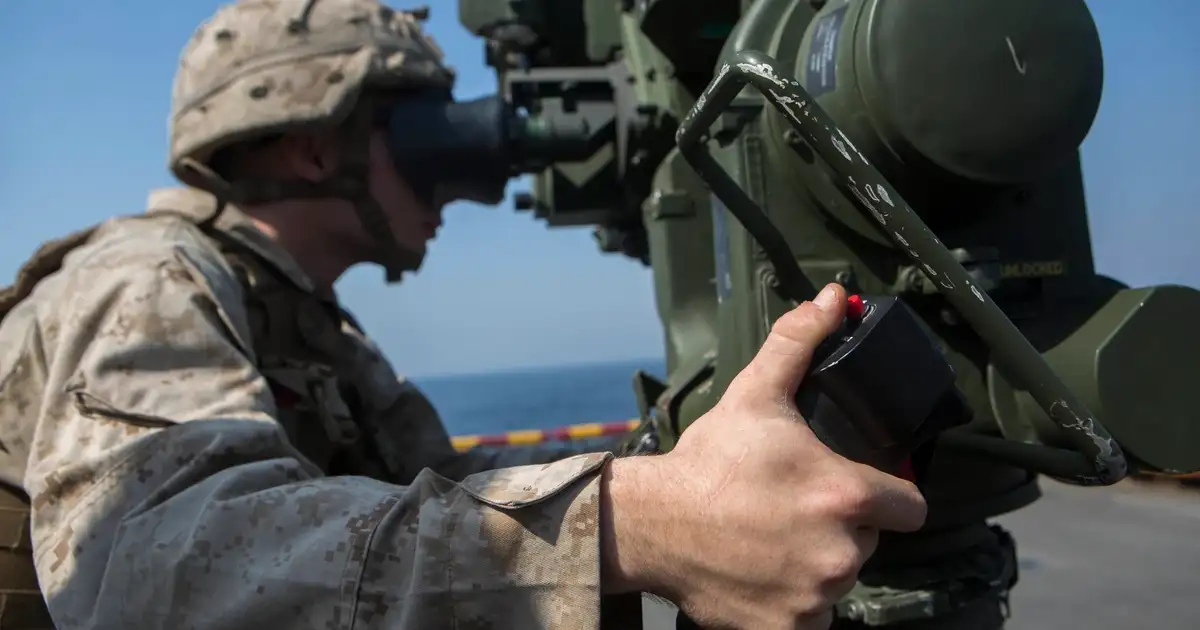
Early today, U.S. forces struck in the Gulf of Oman, destroying three Iranian tanks linked to militia operations and weapons smuggling. No American casualties reported. Iranian sources remain silent, but local reports suggest possible Iranian military or militia casualties—raising fears of retaliation.

Brigadier General Michael Andrews stated, “The strikes were conducted in response to recent aggressive actions by Iranian forces, including attempts to threaten maritime traffic and support destabilizing activities in the region.”
While officials frame this as defensive, the timing and scale suggest something more aggressive. Are these isolated incidents or the start of a broader conflict?
Why Now? The Escalation in Context
Iran’s harassment of shipping lanes, drone incursions, and regional disruptions have become routine. The Biden administration claims these strikes defend U.S. interests, but critics see escalation dressed as self-defense.
The Iran nuclear talks are dead, with Iran advancing its nuclear program despite sanctions. Iranian-backed militias test U.S. resolve, pushing regional boundaries. Is this just a prelude to something bigger?
Different Perspectives, Same Dangerous Game
The Biden White House says these strikes deter Iran. National Security Advisor Jake Sullivan declared, “The United States will continue to defend its personnel and allies against Iranian threats.”
Iran calls this aggression. Foreign Minister Hossein Amir-Abdollahian called the strikes “aggressive and unwarranted,” warning of a “broader regional conflict.” State media hint at retaliation, signaling the cycle of violence may escalate.
Regional allies like Saudi Arabia and Israel support U.S. actions, viewing Iran as the main destabilizer. Yet, Iranian proxies are already talking about revenge—diplomacy is slipping, chaos looms.
Strategic and Political Fallout
This isn’t just military posturing; it’s a gamble with regional stability. The Biden team tries to project strength without risking a full-scale war. But one misstep could unleash chaos.
With Iran’s nuclear ambitions unchecked and influence growing, these strikes could contain Iran’s push or ignite a regional powder keg. The stakes are high.
Hawks praise the escalation; Democrats are divided. Some see it as necessary, others warn it could backfire. Are we playing a dangerous game or heading for catastrophe?
What Comes Next? The Big Question
Congress demands clarity. Senators call for a review of U.S. policy toward Iran, wary that limited strikes could spark a larger war. The UN urges restraint, but Iran signals readiness to retaliate.
History warns: small strikes often lead to full conflict. Are we poking the bear or setting ourselves up for an uncontrollable war?
The Strait of Hormuz remains a geopolitical tinderbox. Any flare-up could spike oil prices and destabilize economies. Time is running out, and the risks are enormous.
Editorial Take: Biden’s Dangerous Game
This escalation is reckless. Biden’s team tries to show strength without risking war, but it’s a false choice. The tanks are just the start. Iran’s warnings grow louder, and proxies mobilize for retaliation.
“The Biden administration’s half-measures are a dangerous game,” an unnamed defense analyst told me. “Iran sees these strikes as weakness, not strength, and they’re preparing to respond accordingly.”
This approach risks disaster. The U.S. is playing chicken with a nuclear-armed Iran, and escalation seems inevitable. The more we push, the closer we get to a conflict spiraling beyond control.
Who Benefits, Who Loses
Iran’s proxies rally around the strikes, boosting their influence. The escalation fuels their propaganda and support, both inside Iran and regionally.
The losers? The U.S. and allies. Each military move feeds Iran’s narrative that the West is at war with them, pushing Iran toward nuclear breakout. Meanwhile, American taxpayers shoulder the costs of ongoing conflict—missiles, troops, chaos.
The Next Move: Escalation or De-escalation?
Iran’s response will determine the path forward. Retaliation could plunge the region into chaos. If Iran holds back, Biden’s gamble might buy time—but at what long-term cost?
The U.S. military is more involved than ever. These tanks symbolize the broader conflict looming. Are we prepared for the war that could erupt at any moment?
Iran is likely planning its next move, and Biden’s team hopes to contain the fallout. But hope isn’t strategy.
The Final Word
This escalation shows diplomacy in the Middle East is dead, replaced by show-of-force and bluffs. The U.S. pushes Iran into a corner, making retreat harder.
Americans pay the price—higher oil prices, mounting military costs, and the threat of a regional war turning nuclear. How many more tanks, missiles, and casualties will it take before this approach fails?
Source: Google News