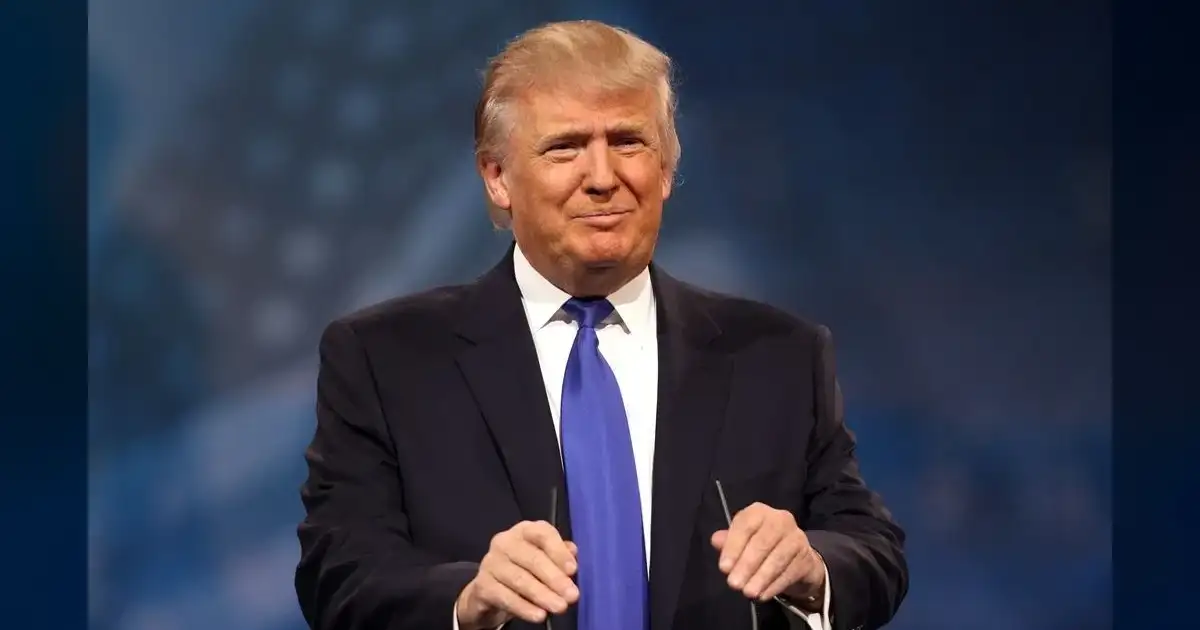

President Donald Trump has once again plunged the Middle East into a dangerous game of high-stakes poker, issuing a blunt two-day ultimatum to Iran while simultaneously surging 5,000 more US troops into the region. This isn’t merely brinkmanship; it’s a calculated gamble, played right on the edge of all-out war with global consequences, all while a fragile ceasefire teeters on the brink of collapse under the weight of a crippling blockade.
Trump’s Deadline and the Specter of War
On April 14, 2026, President Trump, leveraging the formidable platform of his political action committee and amplified by a chorus of top Republicans, delivered an unequivocal two-day ultimatum to Tehran. His demands were stark and sweeping: immediate, verifiable concessions on Iran’s nuclear program and an unconditional cessation of its regional proxy activities. This wasn’t a call for dialogue; it was a demand for capitulation, couched in the language of “good faith negotiations.”

While the administration’s pronouncements remained strategically vague, the intelligence community and seasoned Middle East watchers were quick to decipher the underlying objectives. This isn’t just about curbing ambitions; it’s an unambiguous push for a full halt to uranium enrichment, the dismantlement of Iran’s increasingly sophisticated ballistic missile capabilities, and an end to all support for its network of regional militias, from Hezbollah to the Houthis. These are not minor adjustments; they represent a fundamental restructuring of Iran’s strategic posture, demands Tehran has historically viewed as an existential threat to its sovereignty.
Just a day prior, on April 13, the Pentagon confirmed a massive surge of 5,000 additional US troops. These aren’t just boots on the ground; they represent a significant augmentation of combat power, including naval infantry, advanced air defense units, and strategic bombers.
They are being deployed to pre-existing US bases across the Persian Gulf and onto naval vessels patrolling the region’s choke points. This deployment, framed officially as a measure to “deter further aggression” and “protect US interests,” is, in reality, the largest single increase in US military presence in the Middle East since the current US-led port blockade against Iran began tightening its grip months ago.
It is a clear, undeniable signal of Washington’s willingness to back its demands with overwhelming force.
The economic repercussions were immediate and severe. Global oil benchmarks, most notably Brent Crude, surged by 3-5% in futures trading on April 14, reflecting acute market anxiety over potential supply disruptions in the strategically vital Strait of Hormuz. This narrow waterway, through which a significant portion of the world’s oil supply passes, remains a flashpoint, a potential trigger for global economic chaos. Simultaneously, the Iranian Rial, already battered by the sustained pressure of the blockade, plummeted another 8% on the unofficial market. For ordinary Iranians, this isn’t just a number; it’s a daily erosion of purchasing power, a deepening struggle to afford basic necessities, and a stark reminder of the human cost of geopolitical maneuvering.
A Ceasefire Under Duress: The War of Words
A broader regional ceasefire, painstakingly negotiated and precariously maintained, now finds itself under unprecedented strain. While no direct violations have been reported in the immediate aftermath of Trump’s ultimatum, the air is thick with escalating rhetoric and overt military posturing from both sides. It’s a dangerous game of chicken, where every pronouncement and every deployment ratchets up the tension.
Iranian state media, a direct conduit for the regime’s messaging, instantly condemned the ultimatum as nothing short of “economic terrorism and military intimidation.” Tehran, through its official channels, vowed a “decisive and crushing response” to any perceived act of aggression, a familiar refrain that nevertheless carries chilling implications in the current climate. The UN Secretary-General’s Office, caught in the unenviable position of attempting to douse the flames, expressed “deep concern” on April 15, urging all parties to exercise “maximum restraint” and prioritize diplomatic solutions. But in a region where restraint often feels like weakness, their pleas seem to echo unheard.
“Iran has two days to cease its destabilizing actions and come to the table for real negotiations,” President Trump declared on April 14, 2026, his words resonating with a familiar blend of resolve and menace. “The world is watching. We will not tolerate their aggression any longer. America stands strong.”
The Pentagon spokesperson, echoing this aggressive stance, provided the military’s official justification for the troop surge, framing it as a necessary evil.
“In response to ongoing threats to regional stability and US interests, the Department of Defense has initiated a precautionary deployment of approximately 5,000 additional personnel and naval assets to the Middle East,” the spokesperson stated on April 13, 2026. “This is a defensive measure to deter aggression and protect our forces and allies.”
Iran’s Foreign Ministry, however, was in no mood for diplomatic niceties, hitting back with characteristic defiance.
“The arrogant demands and military intimidation from the American president will not break the will of the Iranian nation,” an Iranian Foreign Ministry Spokesperson declared on April 14, 2026. “We will respond decisively and crushingly to any act of aggression or violation of our sovereignty. Our nation will not be bullied into submission.”
This is more than just a war of words; it’s a carefully orchestrated psychological campaign, designed to test resolve, signal intent, and, perhaps, to pave the way for a manufactured resolution.
The Escalation-De-escalation Grift: A Familiar Playbook
For those of us who have followed the Trump playbook, this entire spectacle feels less like genuine crisis management and more like carefully choreographed “kayfabe theater.” It is a classic Trumpian maneuver: escalate tensions to a fever pitch, then claim victory for “de-escalating” a crisis he himself engineered.
This isn’t about genuine peace; it’s about political performance. He threatens to “nuke a whole civilization,” then announces a two-day ceasefire contingent on reopening the Strait of Hormuz – a crucial oil chokepoint whose closure would be catastrophic for the global economy.
It’s no surprise that many on social media are already labeling this an “escalate-to-deescalate grift.” The cynical interpretation is compelling: it smells suspiciously like a calculated move to pump oil stocks, benefiting those with investments in the energy sector, and a convenient distraction from pressing domestic issues. President Trump, ever the astute political operator, benefits directly from this aggressive posture. It reinforces his “America First” image, burnishes his “peace through strength” foreign policy brand, and energizes his loyal political base, projecting an aura of decisive, unyielding leadership. It’s a powerful narrative for an election cycle.
Regional allies, particularly Israel and Saudi Arabia, have long championed a hardline stance against Tehran. They unequivocally welcome the increased US military presence, viewing it as a robust deterrent to what they perceive as Iranian expansionism and destabilizing influence throughout the Middle East. Their long-held strategic anxieties find validation in this aggressive posture. Even Iranian hardliners, paradoxically, might find a perverse benefit in this external pressure. It allows them to rally public support against a common enemy, consolidate their power, and portray any potential concessions—if they ever come—as a betrayal of national pride. It’s a vicious cycle where every actor finds justification for their entrenched positions.
Who Pays the Ultimate Price?
While leaders play their geopolitical games, the biggest losers are, as always, the ordinary people caught in the crossfire. Iranian citizens are already enduring immense suffering under the blockade’s severe economic hardship.
They face crippling inflation that renders their savings worthless, widespread shortages of essential goods, and a daily struggle for survival. Further escalation threatens to deepen this humanitarian crisis, potentially pushing millions to the brink and risking a catastrophic famine or widespread civil unrest.
This isn’t abstract; it’s tangible human misery.
Beyond Iran’s borders, global stability takes a massive hit. The increased military presence in such a volatile region heightens the risk of miscalculation, a single error that could trigger a full-blown regional war with catastrophic, unforeseen consequences. What happens if a stray missile hits an oil tanker? What if a proxy group misinterprets an order? The potential for a rapid, uncontrollable spiral into conflict is terrifyingly real. This unilateral, confrontational approach also severely undermines international diplomacy, alienating key US allies in Europe and Asia who consistently advocate for a more measured, multilateral engagement with Iran. Their voices for de-escalation, for dialogue, are being systematically drowned out by the constant saber-rattling and the relentless drumbeat of war.
For Americans, this aggressive stance translates into the very real possibility of a costly, prolonged military engagement, a further drain on national resources, and a potential quagmire with unclear long-term benefits. The “so what” factor is brutally simple: everybody loses if this goes sideways. Disruptions to global oil supplies mean higher energy prices for everyone, from commuters in London to manufacturers in Tokyo. It means increased risks for international trade, travel, and investment, threatening to destabilize an already fragile global economy. Are we truly prepared for the fallout?
A Dangerous Precedent, A Familiar Gamble
This isn’t new territory for President Trump. His previous administration utilized strikingly similar “maximum pressure” campaigns, most notably the unilateral withdrawal from the Joint Comprehensive Plan of Action (JCPOA) in 2018, which set this confrontational precedent.
History, however, offers a sobering lesson: such ultimatums rarely lead to immediate capitulation from Tehran. More often, they result in prolonged, dangerous standoffs, increased proxy conflicts, and a hardening of positions on all sides.
The current port blockade itself is a historical echo, a tactic used for centuries to exert economic pressure, but almost always accompanied by significant humanitarian consequences and an increased risk of open conflict.
The timing of this ultimatum is no accident. It plays directly into President Trump’s political ambitions, especially with upcoming US elections looming large.
It projects an image of strength, decisiveness, and unwavering resolve – key components of his political brand that resonate deeply with his base. But at what cost to regional stability, global peace, and the lives of millions?
The world watches with bated breath, wondering if Iran will finally bend under the immense pressure, or if this latest gamble will instead ignite a conflagration that no one truly desires. This latest move by President Trump is not about peace, nor is it about stability; it is about power, plain and simple, and the audacity to wield it without compromise.
Source: Google News