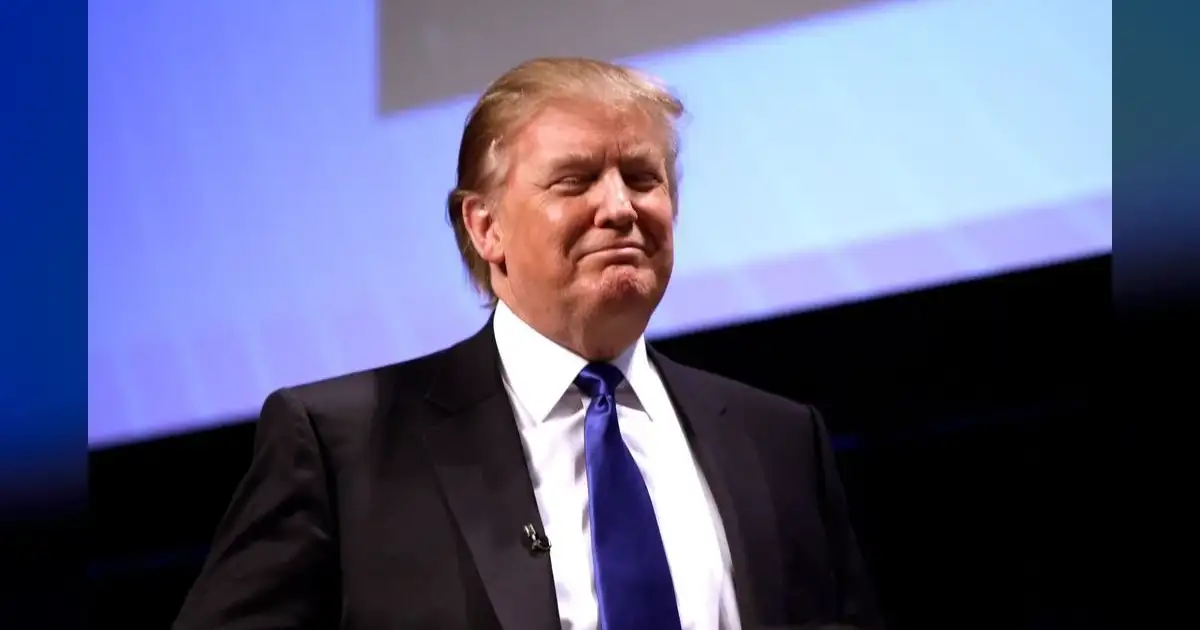

Let’s be unequivocal: CNN’s incessant parade of medical analysts isn’t merely reporting on President Donald Trump’s health; it’s a meticulously orchestrated campaign to inject debilitating doubt into the public consciousness. This isn’t journalism; it’s psychological warfare, thinly veiled as news, aimed squarely at the Oval Office.
For the past 48 to 72 hours, Dr. Anya Sharma, a prominent medical analyst, has been a constant, almost liturgical, fixture on CNN. Her relentless appearances follow an unconfirmed but widely discussed visit by President Trump to Walter Reed National Military Medical Center. This visit reportedly occurred late on May 27, 2026, and the network has been milking it ever since.

The Walter Reed Gambit: A Playbook Unveiled
The White House, predictably, issued a brief statement, dismissing the visit as “routine.” This is the standard, time-honored playbook for any administration facing questions about a President’s health. It’s a move designed to calm nerves and project stability.
Yet, the network’s sustained, almost obsessive, focus on Dr. Sharma tells a vastly different story. It screams of an agenda.
This isn’t about informed medical opinion or public transparency. It’s a transparent maneuver to construct a specific, politically damaging narrative. It’s about keeping a story alive, even when substantive facts are conspicuously absent, allowing innuendo to fester.
Any seasoned D.C. operative watches this charade with a knowing, cynical eye. They understand precisely how this game is played, and the stakes involved. One veteran political observer, who requested anonymity, didn’t mince words:
“CNN knows exactly what they’re doing. You don’t put a medical expert on air every hour if you’re just reporting facts. They’re trying to create a perception. They want people to worry.”
The timing, of course, is no coincidence. With the political calendar already red-hot and the President just having commenced his current term on January 20, 2025, as the 47th President of the United States, any whiff of vulnerability in the Oval Office is instantly weaponized by those eager to undermine the administration. This isn’t just news; it’s a strategic political strike.
Manufacturing Anxiety: The Echo Chamber Strategy
CNN’s strategy is as transparent as it is effective: repeat, repeat, repeat. Dr. Sharma’s appearances lend a veneer of medical authority, a crucial element in this psychological operation.
She discusses general health concerns, the punishing rigors of the presidency, and the abstract importance of transparency. She meticulously avoids direct diagnoses, of course; that would be too overt, too easily debunked, even for the sensationalist world of cable news.
But the implication hangs heavy in the air, a thick fog of insinuation. The network is signaling, with every segment, that there is something profoundly amiss, something critical to worry about. They are pushing a specific agenda, not merely reporting on events.
This isn’t about breaking news; it’s about the insidious art of shaping public opinion, forging an echo chamber of anxiety designed to resonate deep within the electorate. They understand, with chilling precision, that constant exposure to a narrative, however vague or unsubstantiated, eventually takes root, becoming perceived reality for a significant segment of the population. It’s a drip-drip-drip strategy, wearing down resistance and planting seeds of doubt that are difficult to dislodge.
Consider the historical precedent: presidential health has always been a sensitive, often weaponized, topic. From Grover Cleveland’s secret cancer surgery to Woodrow Wilson’s debilitating stroke, the media and political opponents have historically seized upon any hint of infirmity. What CNN is doing now, however, elevates this to a new, more aggressive level of speculative media engagement, blurring the lines between reporting and political activism.
Beyond the Diagnosis: Unpacking the Political Calculus
Let’s strip away the medical pretense and confront the unvarnished truth. This isn’t genuinely about President Trump’s actual health status, which remains unconfirmed beyond the White House’s “routine” designation.
It’s about raw political leverage. It’s about destabilizing a sitting administration and creating an atmosphere of uncertainty that benefits its political adversaries.
A sitting President’s health is always a hyper-sensitive issue. Speculation, even baseless rumor, can send market jitters through Wall Street, fuel internecine political infighting within parties, and even embolden foreign adversaries who perceive a weakened leader. The stakes are immense, and CNN understands this power intimately.
They are using it to their advantage, leveraging public concern – and indeed, public fear – for their own ratings and, more importantly, for their perceived political ends. This, make no mistake, is the darker, more cynical underbelly of cable news, where the pursuit of narrative trumps the pursuit of truth.
The network isn’t reporting a confirmed illness or a verified medical crisis. Instead, they are meticulously creating an atmosphere where an illness is implied, where a crisis is perpetually on the horizon. They are building a narrative out of thin air, a house of cards constructed from suggestion and repetition.
Such calculated media behavior doesn’t just erode public trust; it actively poisons the well of democratic discourse. It forces citizens to question every report, every expert, every pronouncement, fostering a pervasive cynicism about the news itself – a dangerous outcome for any healthy democracy.
The Tangible Cost to the Presidency and Nation
The constant, almost pathological, questioning of a President’s health carries profound and tangible consequences. It actively distracts from critical policy debates, diverting valuable White House resources – time, personnel, political capital – to managing perception rather than governing. Every minute spent refuting vague health rumors is a minute not dedicated to the economy, to national security, or to the myriad issues that genuinely matter to the American people.
President Trump, having just begun his current term, faces opponents already eager to undermine his authority at every turn. This health speculation is merely another, particularly insidious, tool in their well-stocked arsenal. It’s a low-blow tactic designed to chip away at his credibility and public standing.
This is nothing less than a calculated political hit. It’s designed to weaken the President, to sow widespread uncertainty, and to cast a long, debilitating shadow over his entire administration. It suggests a President unfit, or soon to be unfit, for the immense responsibilities of the office, without a shred of concrete evidence.
The network’s actions betray a profound disdain for the office of the presidency itself, prioritizing sensationalism and partisan advantage over national stability and responsible journalism. They are pushing a narrative that serves no one but their own ratings and a particular political agenda, regardless of the broader societal cost.
The Real Story: Media as Political Weapon
The real story here is not President Trump’s health. The real story is the media’s increasingly overt role in political warfare, and how powerful networks manipulate information to achieve specific outcomes. They deploy a seemingly trusted expert, like Dr. Sharma, to give a veneer of legitimacy to their speculation, understanding full well that people are conditioned to listen to a doctor, and that fear, above all else, sells.
This is a profoundly dangerous game, not just for this administration, but for the integrity of our political system. It sets a perilous precedent for future administrations, normalizing baseless speculation about the nation’s leader and eroding the very foundation of trust between the media and the public.
The public deserves better. They deserve real news, grounded in verified facts, not manufactured panic designed to sway opinion. They deserve genuine transparency, not calculated insinuation and thinly veiled partisan attacks.
This entire episode serves as a chilling reminder of how power truly operates in Washington today. It’s not always about legislation or executive orders; sometimes, it’s about controlling the narrative, about planting doubt, and about influencing perception, one cable news appearance at a time.
The constant drumbeat of concern serves a clear, undeniable political purpose. It has nothing to do with genuine medical transparency or public service. It’s a cynical play for power and influence, plain and simple, and the American public is its unwitting pawn.
Source: Google News