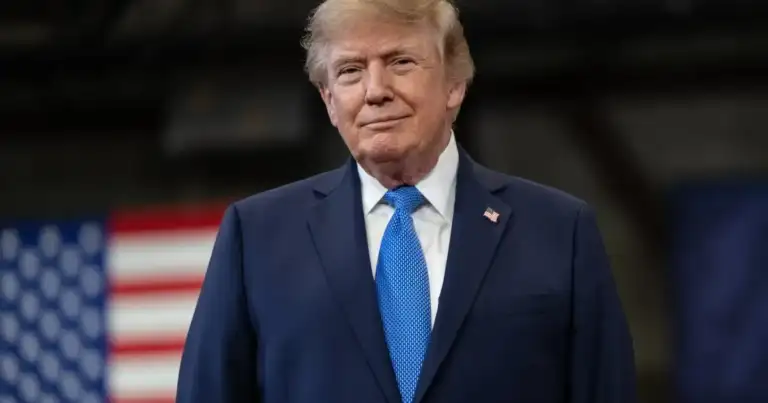

President Donald Trump, ever the showman, has once again dragged the United Nations onto center stage, not to laud its efforts, but to lambaste it as a globalist boondoggle. This week, the familiar “America First” clarion call echoed through Washington, signaling another round in Trump’s relentless campaign to reshape the international order, or perhaps, simply to dismantle it.
Presented by the administration as a “major shift” designed to catapult American businesses into an era of unparalleled prosperity, let’s be blunt: this isn’t a strategic pivot. It’s a well-worn play from the Trump playbook, dusted off and repackaged for 2026, a familiar refrain for an audience that has heard it all before.

The Rerun Nobody Asked For
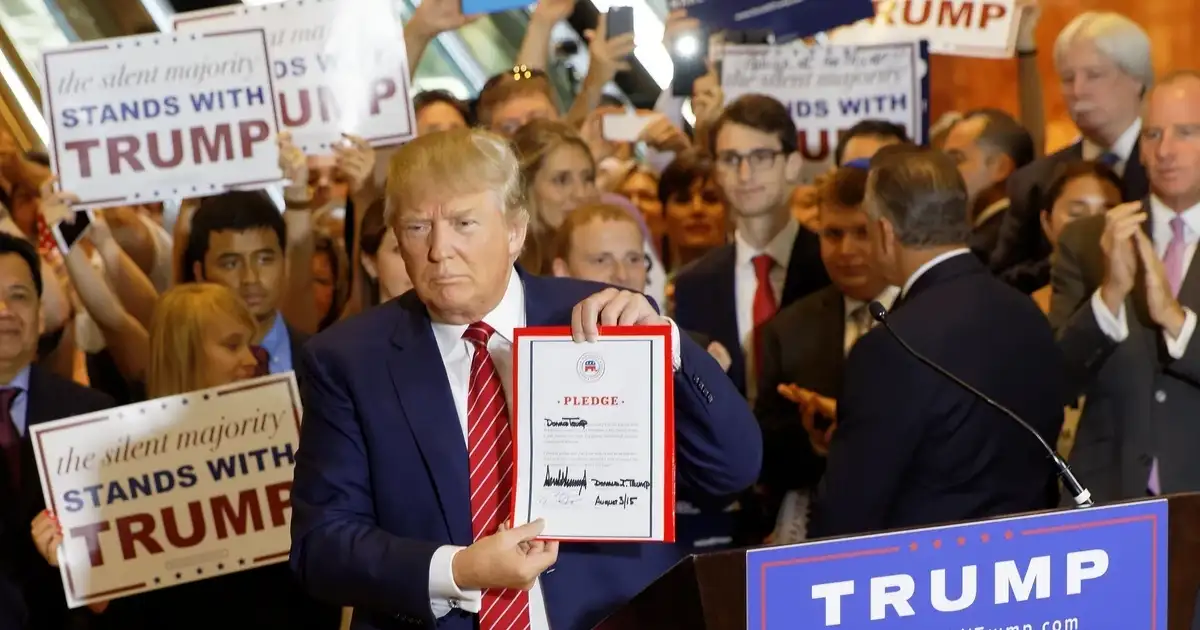
Trump stood before the “America First Economic Summit” in Washington D.C. on Tuesday, April 14, 2026. He tore into the UN, calling it an “inefficient bureaucracy.” He labeled it a “forum for globalists” that works against U.S. interests.
The White House confirmed on Wednesday, April 15, a review of all U.S. contributions to UN agencies. This targets peacekeeping missions for significant cuts. Then came the “Buy American First” initiative from the Commerce Department, a policy move that feels less like innovation and more like a carefully orchestrated echo of past campaigns.
This initiative promises a tightening of the screws on domestic content rules for federal contracts, alongside the exploration of new, punitive tariffs against nations deemed to be undermining U.S. manufacturing. The stated goal is as clear as it is politically potent: to boost American production and jobs, a perennial crowd-pleaser for his base.
But let’s not pretend this is a fresh composition. President Trump has played this tune before, with a repertoire of withdrawals and defundings that defined his first term.
Remember the dramatic exit from the Paris Climate Accord? The unilateral abandonment of the Iran nuclear deal? The slashing of funding for agencies like UNESCO, or the World Health Organization?
These weren’t isolated incidents. They were opening acts in a consistent strategy of disengagement, each justified by the same “America First” mantra.
The public reaction, particularly among those outside his most fervent supporters, is telling.
Social media, that unfiltered barometer of public sentiment, is awash with dismissive labels: “recycled 2019 theater,” “a reheated stump speech,” “isolationist clownery.”
This isn’t a “major shift” in policy; it’s a greatest hits album for his base, delivered with the predictable bombast and familiar grievances.
For too long, the United Nations has been a globalist talking shop, taking American taxpayer dollars and often working against American interests. My administration is putting America first, always. We will fund what works for us, and we will build here, in America, with American hands, American steel, and American ingenuity. Our businesses will reap the benefits, and our workers will thrive.
— President Donald Trump, America First Economic Summit, April 14, 2026
Indeed, it’s the same old rhetoric, a meticulously crafted blend of grievances and promises. The boasts about military buildup, the anti-abortion jabs delivered with evangelical fervor, the sovereignty sermons – all verbatim from his earlier campaigns. This isn’t governance; it’s pure, unadulterated base-baiting fodder, designed to ignite enthusiasm rather than forge consensus.
Who Really Wins (and Pays)?
The official line, of course, paints a rosy picture: U.S. businesses, particularly in vital sectors like steel, automotive, and technology, are poised to “reap the benefits.” The promise is a surge in federal contracts and a significant reduction in foreign competition, thanks to new tariffs and stricter procurement rules. It sounds like a domestic industrial renaissance, doesn’t it?
While the initiative indeed targets an estimated $600 billion in annual federal procurement spending, and economists project a potential, if modest, 0.1-0.3% increase in U.S. manufacturing GDP, these figures demand closer scrutiny. A fractional bump in GDP, while politically convenient, hardly constitutes a transformative economic boom for the entire nation. It’s a trickle, not a flood, of prosperity.
For Trump’s political base, this is pure catnip. It meticulously reinforces his carefully cultivated image as the sole leader prioritizing American interests above all else. Furthermore, the threat of tariffs and the promise of domestic preference undeniably empower U.S. negotiators in bilateral trade deals, allowing them to extract concessions from wary trading partners.
This is exactly what American businesses need. President Trump understands that a strong domestic industrial base is critical for our national security and economic future. The ‘Buy American First’ initiative will level the playing field and bring jobs back home.
— Mark Johnson, CEO of American Manufacturing Alliance, April 14, 2026
Yet, like any policy promising unadulterated gains, there’s always a flip side, often hidden from plain view.
Consumers will inevitably face the brunt of rising prices on imported goods, as tariffs, in essence, are taxes that hit the wallet directly. American-made alternatives, while patriotic, often come with a higher price tag.
This isn’t some economic magic trick; it’s a zero-sum game, and there’s no such thing as a free lunch, especially when the bill is passed to the average American household.
Multinational corporations, with their intricately woven global supply chains, will undoubtedly face increased costs and logistical nightmares. This isn’t about genuine economic transformation designed to benefit all sectors; it’s a targeted strategy to funnel federal money to politically preferred domestic industries. Make no mistake, the primary currency here isn’t economic growth, but political optics and the cultivation of loyalty within key voting blocs.
Global Order? More Like Global Mess
Let’s not mince words about the stakes. The United States, despite its current administration’s disdain, remains the largest financial contributor to the UN.
We shoulder approximately 22% of its regular budget and over 25% of its peacekeeping budget. In 2025 alone, U.S. contributions exceeded a staggering $12 billion, funding everything from critical humanitarian aid and refugee support to global health initiatives and conflict prevention programs.
This isn’t pocket change; it’s the lifeblood of an organization striving, however imperfectly, for global stability.
Cutting this funding, therefore, isn’t merely a cost-saving measure; it’s a deliberate act of sabotage that will inevitably cripple the UN. Its vital humanitarian efforts, precarious peacekeeping missions in volatile regions, and essential global programs face not just setbacks, but outright disaster. It is developing nations, already grappling with poverty, conflict, and climate change, that rely most heavily on UN aid, and they will undoubtedly suffer the most grievous consequences, potentially destabilizing entire regions.
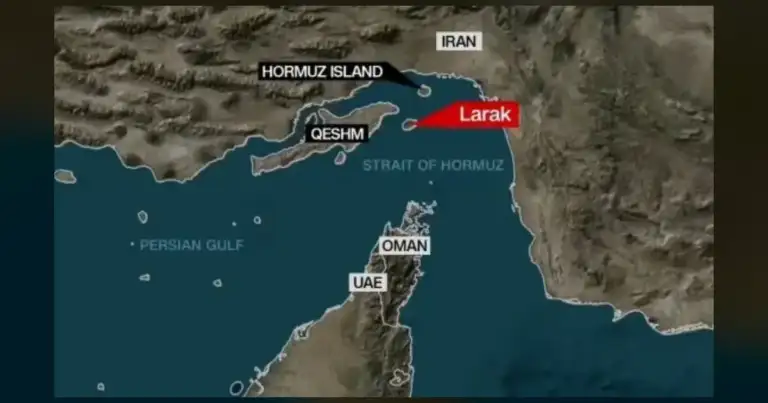
And consider the geopolitical backdrop: it is April 2026. The U.S. is currently embroiled in an active military conflict with Iran, a volatile situation that ignited in February 2026.
Global stability is not merely fragile; it is teetering on the brink.
To actively weaken the very multilateral institutions designed to foster dialogue, de-escalate tensions, and coordinate international responses at such a perilous moment is not just short-sighted; it is profoundly reckless, bordering on self-sabotage.
The United Nations is an indispensable forum for global cooperation. Unilateral actions and the withdrawal of support from any major member state, especially one as vital as the United States, would severely hamper our collective ability to address the world’s most pressing challenges, from climate change to humanitarian crises. We urge all nations to remember our shared humanity and common destiny.
— UN Secretary-General António Guterres, April 15, 2026
Critics, including the sharp-tongued Senator Maria Rodriguez (D-CA), have rightly condemned this move as “short-sighted and dangerous.” They argue, with compelling evidence, that it willfully ignores the precarious state of global stability and, more critically, actively sidelines America’s standing and influence in the world. When the U.S. retreats, a vacuum is created, and rarely is it filled by benevolent actors.
History offers a stark lesson: isolationism has never made America stronger, only less safe and less influential. The deliberate erosion of multilateral institutions doesn’t lead to a more independent America; it paves the way for a fragmented, chaotic world where the U.S. finds itself increasingly isolated and vulnerable on critical global challenges, from pandemics to climate change, which respect no national borders.
Indeed, the international community, far from being swayed, often reacts with a mix of exasperation and outright mockery. The indelible images of world leaders openly laughing at Trump on the global stage serve as a potent reminder of how such behavior diminishes America’s soft power and weakens our indispensable ability to lead through cooperation and consensus, rather than bluster and unilateral decree.
So, the real question isn’t whether this is a “major shift” – it clearly isn’t. The true question is how much more damage will be inflicted before the world finally tunes out the same old song.
Source: Google News