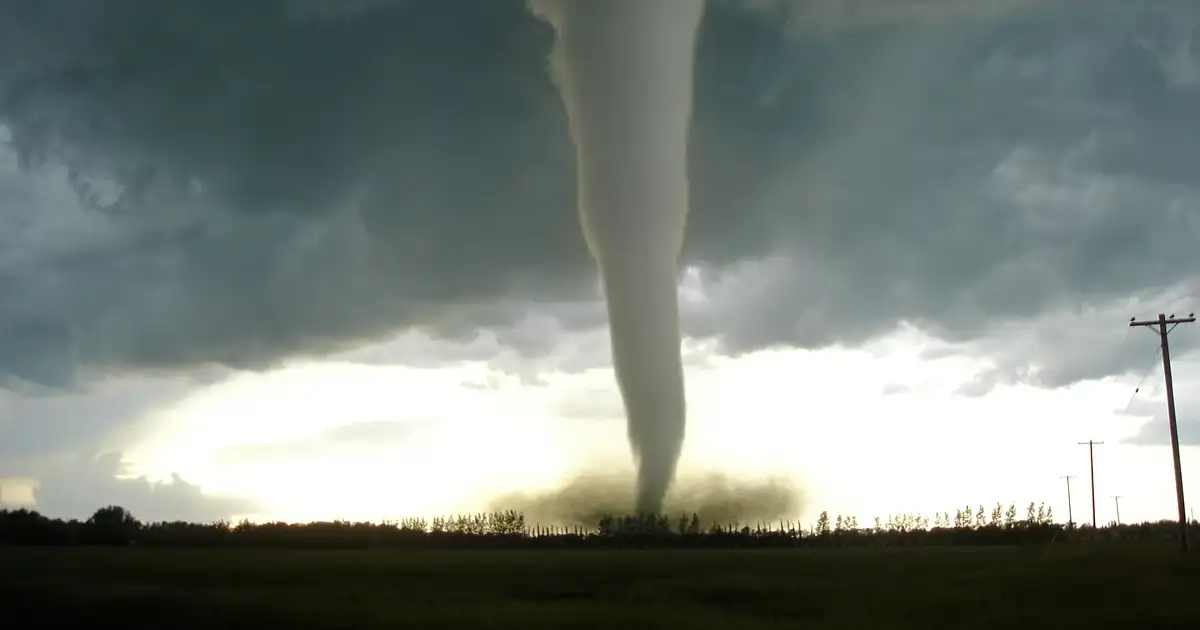

The American heartland just took another gut punch. A brutal, multi-day tornado outbreak has ripped through the region, leaving a trail of shattered homes, splintered lives, and a grim reminder of nature’s relentless power.
Over 50 million people were caught squarely in the path of this catastrophe, from April 25th to April 27th, 2026. The destruction is stark, unforgiving – a brutal, undeniable display of nature’s raw, unyielding might.

Heartland Under Siege: The Unfolding Nightmare
The severe weather system exploded first across Texas and Oklahoma on April 25th. It rapidly escalated into a full-blown crisis by April 26th, with multiple confirmed tornadoes tearing through Oklahoma, Kansas, Missouri, and Arkansas. Eyewitnesses recounted “baseball-sized hail”—some as massive as 2.75 inches in diameter—that shredded roofs and pummeled vehicles with terrifying force.
Confirmed reports detail at least three EF-3 tornadoes, packing winds up to a staggering 165 mph, alongside dozens of EF-1 and EF-2 twisters. The National Weather Service (NWS) issued widespread watches and warnings, offering some communities crucial minutes of warning. Yet, despite the alerts, the devastation is immense, a landscape scarred beyond recognition.
By April 27th, search and rescue teams were still sifting through the rubble, a grim, desperate dance against the clock. Authorities have confirmed at least 5 fatalities across Oklahoma and Arkansas, with more than 60 people injured and requiring urgent medical attention. Thousands of homes are either severely damaged or completely wiped off the map, particularly in vulnerable rural areas where the wind’s fury met little resistance.
The Crushing Cost of Catastrophe
The immediate aftermath plunged over 250,000 customers into darkness, though crews are working tirelessly to restore power. Governors in Oklahoma, Kansas, and Arkansas swiftly declared states of emergency. This move, as predictable as the storms themselves, clears the way for federal assistance – meaning taxpayers across the nation will soon be footing a substantial portion of the rebuilding bill. A familiar script, indeed.
For the survivors, the shock is visceral, a wound that won’t soon heal. They recount harrowing escapes, the sound of their lives disintegrating around them in a roar. The focus for them is primal: finding shelter, locating missing pets, salvaging fragments of a life. It’s a raw, visceral display of human resilience, yes, but more so a brutal spotlight on just how fragile everything truly is when confronted by such power.
Emergency responders are stretched thin, battling exhaustion against the sheer, overwhelming scale of destruction. Firefighters, police, and volunteer groups are coordinating a monumental effort, providing first aid and managing temporary shelters. The grim calculus of assessing the full damage is monumental, unfolding with every overturned car and splintered home. Their selfless dedication is clear, but it’s also a stark reminder of the finite resources available when nature truly unleashes its wrath.
“The scale of this devastation makes rapid assessment incredibly challenging,” an exhausted emergency official grimly stated, surveying the wreckage.
Meteorologists at the NWS claim their warning systems saved lives, a small victory against overwhelming odds. Yet, they concede the “inherent unpredictability and immense power” of these supercell thunderstorms. You can shout warnings all you want, but you can’t stop a 160 mph monster tearing through your living room.
Who Pays the Piper? The Endless Cycle of Rebuilding
The financial fallout from this outbreak will be staggering. Insurance industry analysts are bracing for a tidal wave of claims. Early estimates suggest insured losses could easily climb into the hundreds of millions, potentially soaring past the billion-dollar mark. This isn’t just a number; it’s a gut punch to regional economies, a stark reminder that while natural disasters are big business for some, they spell utter ruin for countless others.
The heartland, notoriously dubbed “Tornado Alley,” faces this annual nightmare with grim predictability. This region has endured some of the most catastrophic tornado events in US history, including the infamous 1974 Super Outbreak and the devastating Joplin, Missouri tornado of 2011. Each time, the script is grimly familiar: destruction, immediate aid, then the slow, agonizing grind of rebuilding. A cycle of forgetting and repeating.
We parrot phrases about preparedness, emergency plans, resilient infrastructure. But what good are plans when a wall of wind and baseball-sized ice is bearing down on your home? These events don’t just expose; they shatter the illusion of control. They highlight a constant, gnawing vulnerability, a cycle of destruction that demands more than mere declarations of emergency. It demands a reckoning, a serious re-evaluation of how we live on this volatile land.
The “so what” factor here isn’t just clarity; it’s a brutal, undeniable truth. It’s about personal safety, yes, but also the fundamental question of community resilience. It’s about entire towns being erased, forcing people to start from scratch. Again. And again. The warnings are sharper, the meteorology more precise, yet the storms keep coming, seemingly stronger, undeniably more frequent. Are we truly learning, or just bracing for the next hit?
The Unending Cycle: A Brutal Reality Check
When the cameras inevitably leave, the real, grinding work begins. The federal aid will flow, insurance checks will eventually arrive, and communities will embark on the long, arduous process of rebuilding. But the scars will remain. The fear will linger, a phantom limb of memory. This isn’t merely a weather story; it’s a primal scream, forcing us to confront our inherent fragility, our Sisyphean battle against forces we can barely comprehend, let alone control. It’s the inconvenient truth whispered on the wind.
The question isn’t if another tornado outbreak will savage the heartland. It’s when. And how many more billions will vanish, how many more lives will be shattered, before we finally stop pretending we can outrun this brutal, unchanging reality?
Source: Google News