
Japan Airlines isn’t just flirting with the future; they’re actively building it, deploying humanoid robots to revolutionize baggage handling. Dismiss the online chatter as mere noise – this isn’t a stunt. This is a calculated, ambitious business play, fundamentally reshaping airport operations and, make no mistake, your career landscape.
JAL is relentlessly pursuing its ‘AI-rport’ vision. These robot handlers aren’t a concept; they’re on the ground, loading and unloading luggage at major hubs like Tokyo’s Haneda (HND) and Narita (NRT) right now. This isn’t about looking futuristic; it’s about a complete overhaul of airport logistics, a practical solution to persistent problems.

The Noise Versus the Reality
Online, the reaction has been a cacophony of cynicism. Redditors on r/Futurology and r/technology are quick to scoff at the Unitree bots as “glorified Roomba cosplayers.” They parade shaky demo videos, mocking the very notion of “wobbly 130cm Chinese knockoffs” handling heavy bags. Let them laugh.
Critics on X even speculate it’s a “Geely ad, not aviation,” cynically tying it to the Beijing Auto Show. They claim it’s “pointless flexware” that will crumble under the demands of real airport layouts. Some even say the demo pics of robots “waving” scream “scripted infomercial.” This is the sound of people missing the forest for a few shaky trees.
This dismissive chatter, frankly, misses the entire point. While the initial rollout might have its kinks – every groundbreaking innovation does – JAL’s commitment isn’t just serious; it’s a declaration of intent, a massive investment in future infrastructure. They aren’t just dabbling; they’re forcing the pace of a strategic vision, compelling the industry to follow.
Why JAL is Making This Move
This isn’t about looking ‘cool’ or grabbing headlines. This is about solving hard business problems with practical solutions. Baggage handling is a brutal, physically demanding job, perpetually plagued by labor shortages and crippling turnover.
- Efficiency Gains: Robots can work around the clock without breaks, fatigue, or injury. This means faster turnaround times for flights, a direct boost to an airline’s bottom line.
- Cost Reduction: Over time, the investment in robotics will slash labor costs significantly. This isn’t just a perk; it’s a fundamental driver for any ambitious airline.
- Labor Shortages: The aviation industry consistently struggles to find and retain ground crew. Automation fills these critical, chronic gaps with unwavering reliability.
- Safety Improvements: Repetitive heavy lifting leads to debilitating injuries. Robots eliminate that risk entirely for human workers, improving workplace safety and reducing liabilities.
As one industry analyst, quoted by Reuters, succinctly put it:
“The initial cost is high, but the long-term savings in labor, safety, and operational consistency are irrefutable. This isn’t just an evolution; it’s an imperative for global aviation.”
The Career Consequence: Adapt or Be Left Behind
The “job-killing theater” cry from r/antiwork users isn’t entirely baseless regarding the impact on human roles. JAL’s move will undoubtedly reduce the need for manual baggage handlers. But let’s be clear: this isn’t about “firing grunts” out of malice; it’s about relentlessly optimizing operations, a fundamental principle of any successful enterprise.
For those in the industry, this is a blaring siren: adapt or become obsolete. The era of purely manual labor roles is not just fading; it’s disappearing. The future of airport work lies squarely in managing, maintaining, and programming these sophisticated robotic systems. It’s a fundamental, unavoidable shift from brawn to brains, from brute force to technical mastery. Are you ready to make that leap?
The smart, ambitious professional will see this not as a threat, but as an unparalleled opportunity. Don’t compete with the robots; command them. Learn the new tech, become the expert who designs, oversees, and optimizes these automated fleets. This isn’t just about “evolving skills”; it’s about proactively retooling your entire career to remain indispensable in a rapidly changing landscape. The market doesn’t wait for anyone.
The Unavoidable Future: Lead or Be Left Behind
Japan Airlines isn’t operating in a vacuum. Every major carrier, every logistics giant, is watching this rollout with intense scrutiny. This isn’t merely a ‘JAL thing’; it’s a blueprint for the entire global aviation industry. The initial wobbles, the inevitable glitches, and the public mockery will quickly fade into irrelevance. What will remain are the undeniable, long-term financial and operational benefits that will redefine efficiency.
The stark truth is this: businesses, by their very nature, will always relentlessly pursue efficiency and cost savings. If a robot can perform a job better, faster, and cheaper than a human, it will be deployed. Period. This isn’t a “stunt”; it’s a brutal, strategic investment in the future of air travel, a non-negotiable step towards operational supremacy. Ignoring this reality isn’t just naive; it’s professional suicide. The future isn’t coming; it’s already here, demanding your attention and your ambition. Will you lead it, or be left behind in its wake?
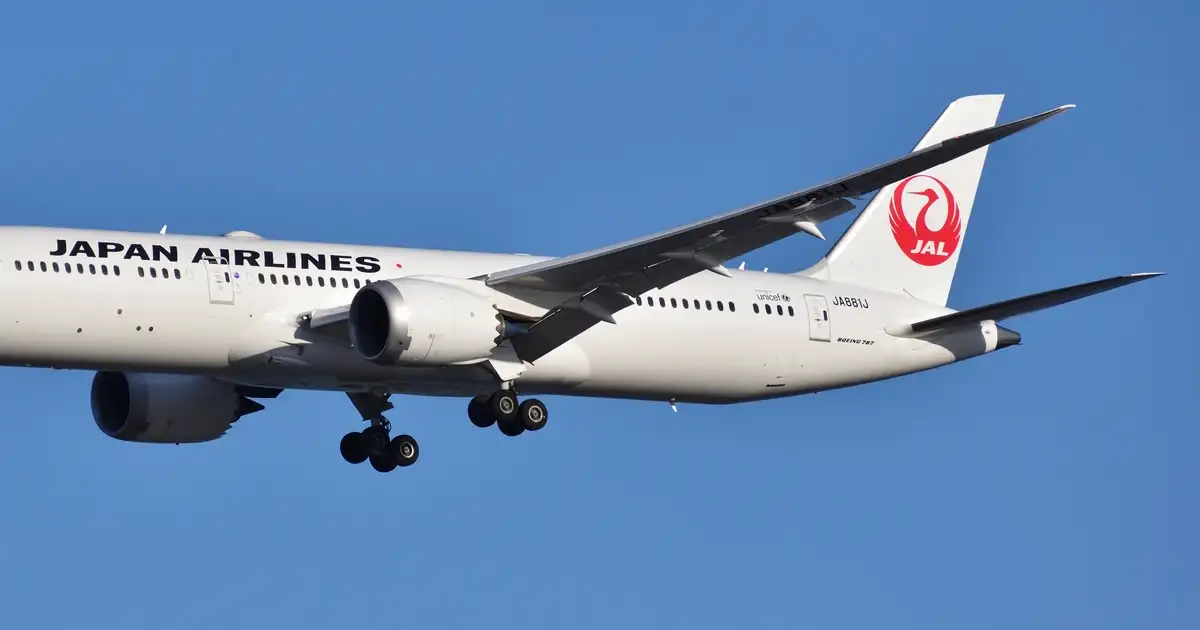
Photo: Glenn Beltz
Source: Google News