
U.S. gas prices are climbing further, and the effects of the Iran War are reverberating hard through American wallets.
President Donald Trump’s ongoing conflict in the Middle East is hitting everyday Americans where it hurts most: the gas pump. This isn’t just about oil; it’s about a political firestorm brewing.

The Pain at the Pump
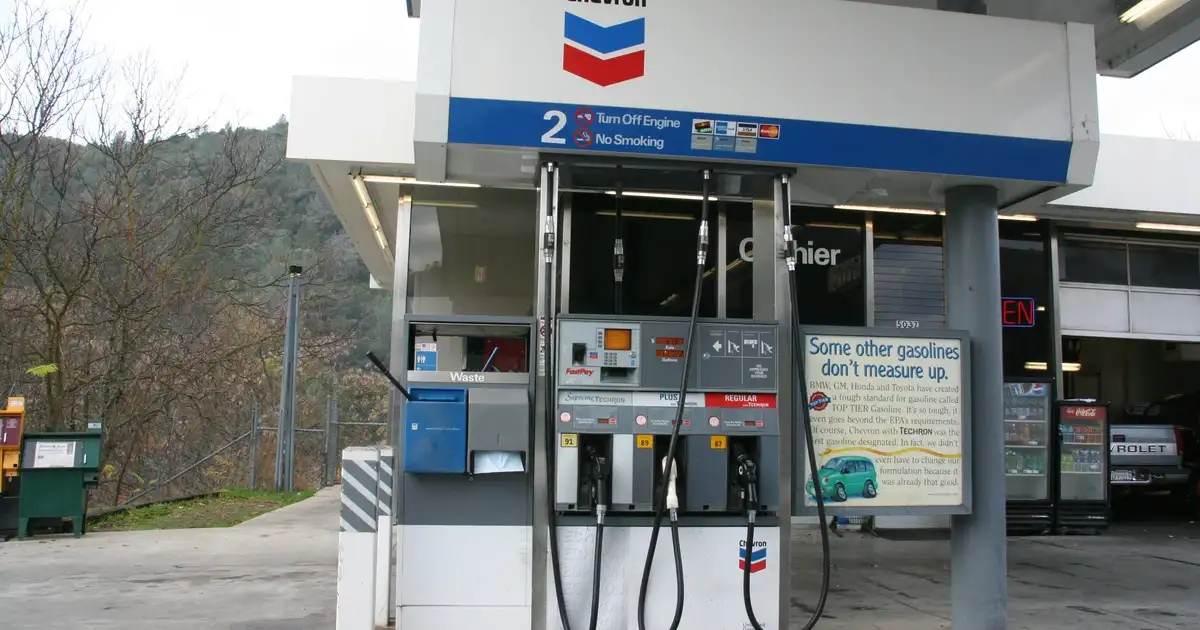
The national average for gasoline now sits near $3.98 per gallon as of April 29, 2026. That’s a brutal 3% increase in just the last few days alone. Families and businesses are feeling the pinch, big time.
This surge comes directly from the military strikes against Iran that began on February 28, 2026. The Strait of Hormuz is a major flashpoint, and global oil markets are in chaos. Supply fears drive prices up, plain and simple.
Delivery drivers and gig workers are screaming. Their side hustles are dying. One X thread with over 50,000 likes summed it up: “Thanks, Donnie—your forever war just killed my DoorDash side hustle.”
Public Rage Boils Over
The public isn’t just complaining; they’re furious and deeply cynical. Social media is a swamp of Trump-blaming rage and dark humor.
Netizens aren’t buying the official oil surge narrative. They see it as a calculated move. “Performance art for midterms” is a common refrain across Reddit and X.
Churches handing out $25 gas cards prove how shredded household budgets are. A TikTok video from a Florida church showing a gas card line racked up 2 million views. The caption asked: “MAGA miracles or welfare?”
Economists are warning of wider impacts. Grocery prices will spike next. This is a cruel reality for many working families.
“It’s an Iran-con job on the poors,” one r/antiwork user declared, posting a photo of $5.59/gallon gas in Los Angeles. “Pump or starve,” another comment read.
The frustration is palpable. People feel trapped by forces far beyond their control. This isn’t just about fuel; it’s about the cost of living skyrocketing.
Conspiracy or Calculated Chaos?
Of course, the internet’s dark corners are buzzing with theories. Conspiracy forums are calling the entire Iran War a “deep state false flag.” They claim it’s a “scripted psyop” designed to tank the economy.
Reddit’s r/conspiracy even pointed to a “CGI tanker spotted in Dubai port Photoshop fail” after a supposed Kuwait tanker attack. This shows the deep distrust running through the public.
While these theories might sound wild, they reflect a deep-seated belief. Many people think powerful players are manipulating events. They don’t trust the official story, not one bit.
The market reacts to fear, real or manufactured. Oil at $102 a barrel is no joke. Wall Street Bets users are memeing it as a “Hormuz Strait short squeeze.” They are betting it will crash once a ceasefire is called.
Trump’s Economic Headache
This is a massive problem for President Trump. He promised a quick resolution to conflicts. Instead, Americans are seeing their wallets drained by his foreign policy.
The rising gas prices directly undermine any claims of economic stability. People feel poorer, regardless of official statistics. Their daily commute costs more, their groceries cost more.
Trump’s second term started with a bang. Now it feels like a painful whimper for many. The war’s economic fallout is undeniable. It impacts everything from supply chains to consumer confidence.
This isn’t just a bump in the road. This is a full-blown economic drag. It hits every sector, from transportation to retail. Businesses face higher operating costs, which pass directly to consumers.
The Geopolitical Chessboard
The Strait of Hormuz is critical. A huge percentage of the world’s oil passes through it. Any disruption there sends shockwaves globally. That’s exactly what is happening now.
The conflict with Iran is not just a regional issue. It has immediate, tangible effects on American households. The price of gas is a daily reminder of this distant war.
This situation demands swift action and clear communication from the White House. But the public’s trust is already eroding. They see the pain, and they want answers beyond vague geopolitical explanations.
The administration must address the economic consequences head-on. Ignoring the public’s anger will only fuel more distrust and cynicism. This is a critical test for Trump’s economic leadership.
The Iran War is not just a military campaign. It’s an economic war on the American consumer. The question isn’t if it will hurt, but how much more pain people can take before they truly revolt.
Source: Google News