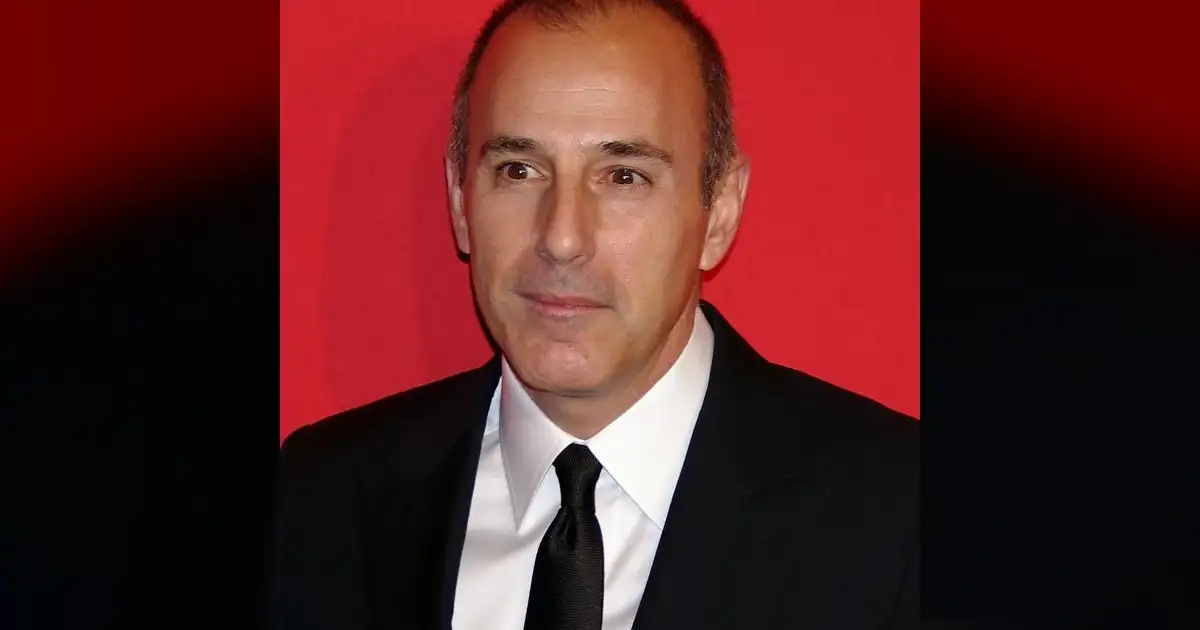

Just when the collective memory of Matt Lauer’s spectacular downfall from the gilded perch of morning television began to dim, Brooke Nevils steps back into the spotlight, not merely to revisit a trauma, but to drive a sharpened stake through the heart of Hollywood’s convenient amnesia. Her recent television interview isn’t just news; it’s a defiant act, compelling an industry that prefers its scandals neatly archived to confront a truth many would rather bury.
Years after the initial scandal ripped through the hallowed halls of NBC, Nevils stands unbowed. Her decision to speak out on camera again isn’t a mere rehashing of facts; it’s a potent reminder of the relentless struggle for accountability and the deep, enduring scars etched upon survivors. It forces us to ask: how long must a victim remain visible for justice to feel truly served, or even acknowledged?

The Ghastly Return of an Uncomfortable Truth
Nevils’ latest appearance on television is far from a casual chat. It is a brutal re-opening of old wounds, stripping bare the illusion that time heals all, especially when power dynamics remain stubbornly tilted.
This serves as a visceral reminder of Matt Lauer’s abrupt, almost operatic, fall from Today Show grace, a position he held as a national fixture for over two decades. The allegations against him first surfaced in November 2017, when Nevils, a former NBC News producer, brought her devastating account to the network.
Her detailed testimony described a non-consensual sexual encounter with Lauer during the 2014 Sochi Olympics, an incident that prompted Lauer’s swift and unceremonious firing by NBC. The network, in a rare moment of decisive action, cited a clear violation of company standards, effectively ending the career of one of its most recognizable faces. The abruptness of his departure sent shockwaves through the media landscape, signaling a shift in how such allegations would be handled, at least publicly.
Yet, Lauer has consistently and vociferously denied all allegations, maintaining that their encounter was entirely consensual. His denials have remained unwavering since the scandal broke, a counter-narrative he has steadfastly clung to.
“I have never assaulted anyone,” Lauer stated in a 2020 letter published by Variety. “The story Brooke Nevils has told is filled with inconsistencies, and I have maintained my innocence from the very beginning.”
Nevils, however, has refused to cede control of her narrative. She has been actively promoting her memoir, “Unspeakable Things,” a harrowing chronicle of her experiences that explores far beyond the headlines. Her media appearances, including a candid conversation on NPR’s “Fresh Air” and now this latest television interview, are not merely promotional stops; they are foundational acts of self-reclamation, a determined effort to ensure her truth resonates louder than any denial.
The Phantom Limb of Power: Media’s Enduring Affliction
This interview is more than just a rehashing of old news; it lays bare the corrosive reality of power dynamics within legacy media institutions. Lauer was not just a host; he was a titan, a seemingly untouchable figure at NBC for decades. His position afforded him immense influence, a kind of cultural capital that often felt unassailable, creating an environment ripe for exploitation and silence.
The industry, for too long, has protected its male stars with an almost religious fervor, often at a steep and unconscionable cost to those beneath them. Nevils’ continued public presence is a direct challenge to this ingrained, patriarchal culture, a refusal to be silenced by the convenient passage of time or the media’s short attention span. She embodies the inconvenient truth that some wounds refuse to scab over quietly.
Her story forces a profoundly uncomfortable conversation, questioning the very bedrock of how institutions handle such claims. It asks, with a pointed finger, how they prioritize their marquee talent over the fundamental safety and dignity of their employees. Is the bottom line always more sacred than basic human respect?
The immediate aftermath of Lauer’s firing was, predictably, chaotic. While many within NBC expressed performative shock, a significant undercurrent of whispers hinted at a long-standing “open secret”—a tacit understanding, a collective turning of a blind eye to behavior that, in hindsight, was clearly unacceptable. This interview pulls back that curtain once more, exposing not just Lauer’s alleged actions, but the complicity of the system that enabled them.
Beyond the Blare: A Survivor’s Odyssey
Nevils’ decision to grant a television interview again is profoundly personal, reflecting her ongoing, arduous journey toward healing and advocacy. To speak publicly, especially on such a high-profile platform, requires immense courage, resilience, and a willingness to revisit trauma for the greater good. It is a choice few would make, and even fewer could sustain.
Her book, “Unspeakable Things,” is a cornerstone of her process, allowing her to meticulously detail her experience on her own terms, reclaiming not just her voice, but the narrative itself from the sensationalism of media cycles. It is a powerful act of agency, transforming victimhood into advocacy.
This interview highlights her unyielding resilience, moving beyond the initial shockwaves of the scandal to focus instead on the long-term, often invisible, impact on survivors. It’s a stark reminder that the headlines fade, but the personal battles rage on.
While many victims of powerful figures struggle in silence, often fearing retribution or disbelieved, Nevils is choosing to speak out loudly and repeatedly. Her hope, palpable and urgent, is to empower others to find their own voices, to understand that their experiences are valid, and that silence, though often a perceived shield, can also be a cage.
Hollywood’s Perpetual Reckoning: A Sisyphean Task?
The entertainment industry has faced numerous, often painful, reckonings in recent years. The #MeToo movement, a seismic cultural shift, exposed widespread abuses of power and shattered decades of silence. Yet, true, comprehensive accountability remains frustratingly elusive for many, a goal that feels perpetually just out of reach.
Nevils’ interview reminds us, with unflinching clarity, that these battles are not over. They are not fleeting news cycles to be consumed and
Source: Google News