
The operating room lights glared down on a 24-year-old patient, their body ravaged, organs failing. The diagnosis? Acute liver and kidney failure. The culprit? Not a rare disease, but a relentless, daily addiction to highly caffeinated energy drinks. This isn’t just a grim medical report; it’s a thunderclap of a warning, echoing across a nation willingly blinded by marketing hype.
This harrowing incident, confirmed by doctors at a leading metropolitan hospital, rips through the flimsy veil of plausible deniability surrounding these potent concoctions. For months, this young individual consumed four to five energy drinks daily, chasing an elusive boost that ultimately delivered him to the precipice of death. This wasn’t an unfortunate anomaly; it was a predictable, devastating consequence of an unregulated industry.

For years, the medical community has shouted into the void, their warnings drowned out by the cacophony of slick advertising. This latest emergency isn’t merely a reminder; it’s a brutal, visceral demonstration that these drinks carry serious, life-threatening risks, pushing individuals onto operating tables.
The time for polite discourse is over. We must confront the mounting, undeniable evidence head-on.
The Silent Scars of the Energy Drink Craze
The story of severe organ infection and failure after heavy energy drink use should not just shock us; it should galvanize us. It tears back the curtain on a silent, insidious health crisis festering across the nation. Millions guzzle these drinks daily, often blissfully unaware of the profound, cumulative damage they inflict upon their most vital systems.
Let’s be clear: these are not glorified sodas with an extra kick. They are potent chemical cocktails, engineered to override the body’s natural limits, pushing it beyond its breaking point. The staggering levels of caffeine, combined with a dubious array of stimulants, artificial sweeteners, and sugars, don’t just create a buzz; they forge a recipe for systemic collapse.
Leading cardiologists, whose research has been published in journals like The Lancet, consistently link excessive consumption to a terrifying spectrum of cardiovascular issues. We’re talking about dangerously increased heart rates, erratic arrhythmias, and dangerously elevated blood pressure. For many, these effects aren’t immediate; they are subtle at first, a slow-motion assault that builds to a catastrophic crescendo. How many young hearts are silently struggling under this chemical burden, ticking time bombs waiting to detonate?
Beyond the heart, the kidneys bear an immense brunt. The relentless strain of processing these powerful, often synthetic, ingredients leads to inflammation, damage, and ultimately, dysfunction. Liver problems, too, are a rapidly escalating concern, as this vital organ struggles desperately to metabolize the sheer chemical load forced upon it. It’s an internal war waged daily, and the body is losing.
This recent case of acute organ failure isn’t an outlier; it’s a chilling prophecy of the broader, systemic risks. It’s a blaring siren, a wake-up call that the consequences extend far beyond simple jitters or sleepless nights. We are witnessing a generation literally ending up on operating tables, their futures stolen by a can of “energy.”
Preying on the Young and Unsuspecting
The marketing strategies deployed by energy drink corporations are not merely aggressive; they are nothing short of predatory. They meticulously target the most vulnerable: young people, aspiring athletes, students cramming for exams, and anyone desperately seeking a quick, artificial boost. Bright, aggressive packaging, endorsements from extreme sports figures, and hyperbolic promises of enhanced performance, focus, and stamina are the bait in a trap that ensnares millions.
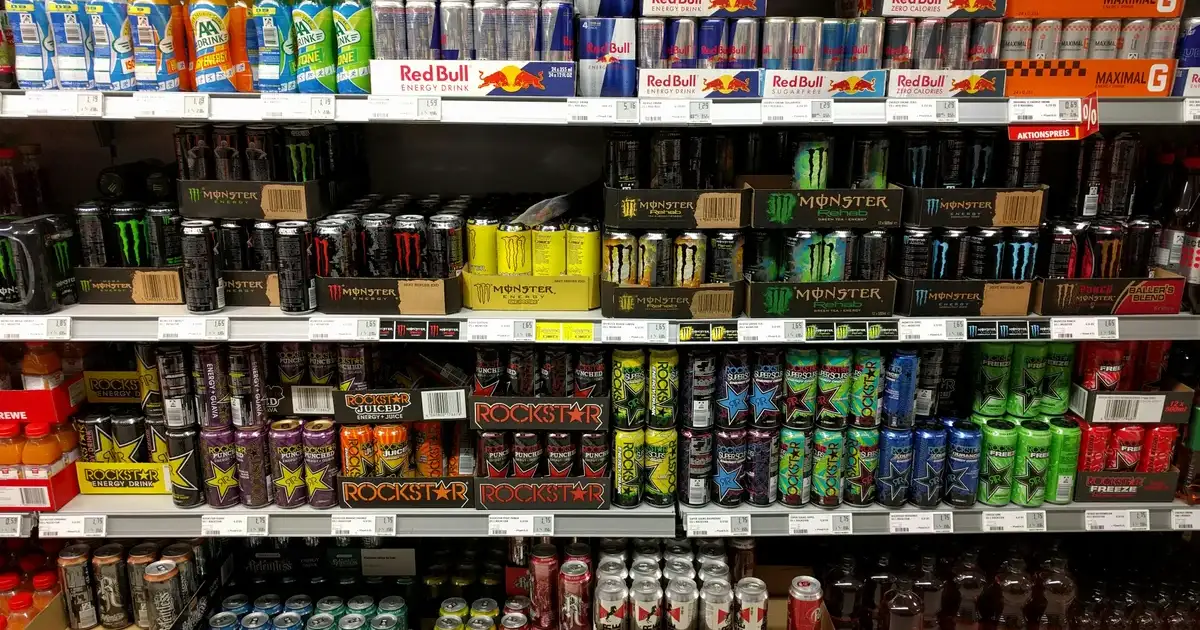
Stroll into any convenience store, and what do you see? Towering rows of these products, often strategically placed at eye-level, right alongside innocuous soft drinks. There are no prominent, unequivocal warnings, no universal age restrictions in many jurisdictions, and certainly no public service announcements screaming about the very real risk of organ failure or sudden cardiac arrest. The message is clear: consume freely, without consequence.
Teenagers, with their developing bodies and often underdeveloped sense of long-term risk, are particularly susceptible. They frequently mix these drinks with alcohol, creating a lethal cocktail that amplifies the dangers exponentially, masking the effects of intoxication while simultaneously stressing the cardiovascular system. They push their bodies harder, fueled by a false sense of invincibility, unknowingly sacrificing their long-term health for a fleeting, temporary buzz.
The industry, with a straight face, insists its products are “safe when consumed in moderation.” But what does moderation even mean for a product explicitly designed for rapid, often multiple, consumption? And who defines this elusive “moderation” when these drinks are as ubiquitous and unregulated as a packet of crisps?
This blatant lack of robust regulation allows these corporate behemoths to operate with near impunity. They rake in billions in profits while the public health system, already buckling under strain, shoulders the immense burden of treating the inevitable fallout. It is a classic, cynical case of profit over people, plain and simple, and it is a moral outrage.
The Regulatory Blind Spot: A National Shame
Why, in the name of public safety, are these powerful stimulants treated with the same laxity as mere beverages? The answer lies in a glaring, indefensible regulatory blind spot. Unlike pharmaceuticals, which undergo years of rigorous testing and stringent approval processes, energy drinks bypass meaningful FDA oversight. They are conveniently classified as “dietary supplements” or “conventional foods,” depending on their ever-shifting formulations – a legal sleight of hand that has deadly consequences.
This classification loophole is not just an oversight; it is a scandal. It grants manufacturers carte blanche to introduce products laden with high levels of active ingredients without any requirement to prove their safety or efficacy through rigorous clinical trials. There is no independent vetting, no accountability beyond the industry’s own self-serving assurances.
The result is a wild west of consumer products that can, and demonstrably do, cause severe harm. We have seen countless calls for stricter controls from public health advocates, doctors, and concerned parents, yet progress has been agonizingly slow, almost non-existent. The lobbying power wielded by these multi-billion-dollar corporations is immense, suffocating any meaningful legislative action before it can even take root.
Consider the stark, infuriating contrast: a life-saving prescription drug undergoes a decade of testing, costing hundreds of millions of dollars, before it ever reaches a patient. An energy drink, packed with caffeine equivalent to five espresso shots and a cocktail of other stimulants, can be formulated, bottled, and sitting on supermarket shelves tomorrow. This profound imbalance is not just unacceptable; it is a dangerous dereliction of duty by our regulatory bodies.
Other developed nations, recognizing the clear and present danger, have taken decisive, bolder steps. Countries like the UK and Sweden have imposed age restrictions, limited caffeine content, or mandated clearer, more prominent health warnings. The United States, however, inexplicably lags behind, leaving its citizens, especially its youth, dangerously exposed to a product proven to cause devastating harm.
Consequences and the Path Forward
The true cost of this regulatory inaction is immeasurable. It is tallied in countless emergency room visits, in preventable hospitalizations, in life-altering emergency surgeries, and tragically, sometimes in lives senselessly lost. It places an immense, undue burden on our already stretched-thin healthcare system, diverting resources from genuine medical emergencies to self-inflicted wounds.
This is not merely about individual choice; it is fundamentally about corporate accountability and the imperative of government oversight. When products pose clear, undeniable dangers to public health, the state has an absolute, non-negotiable duty to protect its citizens. This is a public health crisis masquerading as a lifestyle choice, and it demands an immediate, forceful response.
What must happen? First, clear, mandatory age restrictions must be implemented nationwide, without exception. If a teenager cannot legally purchase alcohol, they absolutely should not be able to buy a stimulant cocktail that could land them in the intensive care unit.
Second, the FDA must reclassify these products. They are not dietary supplements or conventional foods. They should be regulated as what they truly are: powerful stimulants. This demands thorough, independent ingredient testing, stringent safety reviews, and clear approval processes.
Third, bold, unmistakable health warnings are not just essential; they are a moral imperative. These warnings must be prominent, not relegated to microscopic print on the back of a can. They should unequivocally state the risks of organ damage, serious heart problems, and the potential for dangerous addiction.
Finally, we need aggressive, well-funded public education campaigns that cut through the industry’s marketing noise with scientific facts and real-world consequences. People need to understand the science, the risks, and the devastating reality behind the colorful cans.
The recent emergency surgery linked to energy drink consumption is not an isolated incident; it is a grim harbinger. It is a symptom of a larger, systemic failure – a failure of corporate ethics and a failure of governmental protection. The time for hand-wringing is over. It is time for accountability from manufacturers and decisive, unwavering action from regulators. The health, and indeed the very lives, of an entire generation depend on it. To ignore this truth any longer would be nothing short of criminal negligence.
Photo: Wikimedia Commons (query: energy drinks organ failure risk)
Source: Google News