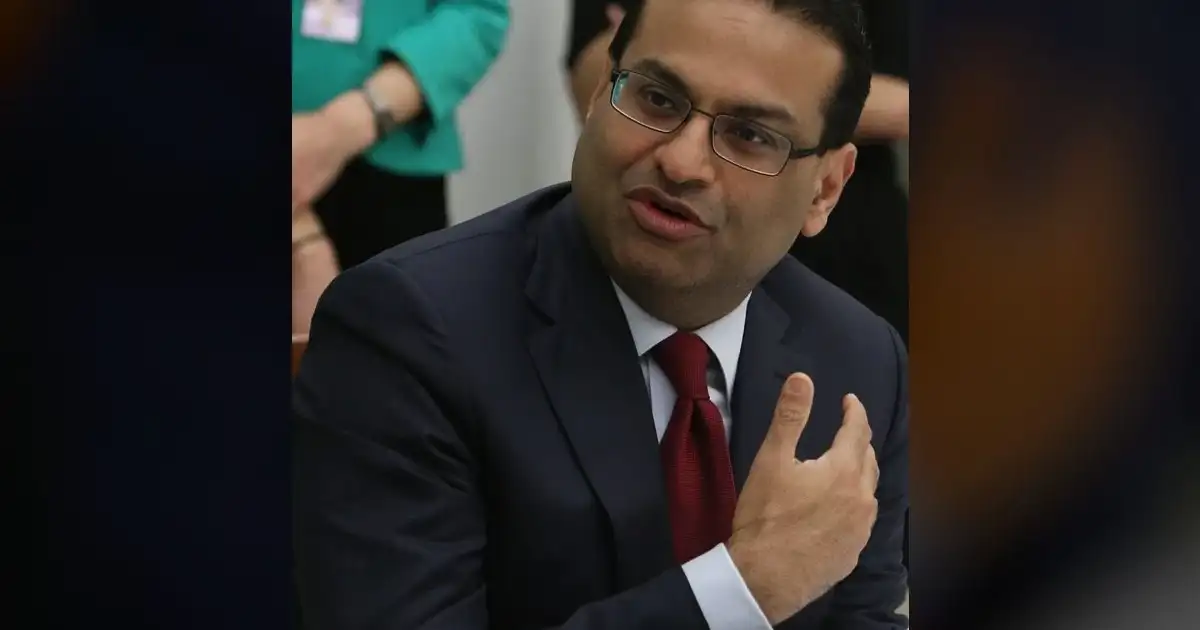

Starbucks CEO Laxman Narasimhan didn’t just fumble the ball; he threw an interception deep in his own territory, brazenly defending the chain’s skyrocketing coffee prices. His recent comments, delivered during the company’s Q2 2026 earnings call on April 29, 2026, have ignited a nationwide consumer backlash that threatens to sour the brand’s once-unshakeable loyalty.
When an analyst pressed him on the escalating “premium” coffee costs, Narasimhan didn’t just stand firm; he doubled down on a pricing strategy that seems utterly disconnected from the economic realities of his customer base. He trotted out the tired lines about “unparalleled quality” and the “affordable luxury” of the Starbucks experience, even as the company reported a concerning dip in customer visits for the quarter.

This isn’t just a misstep; it’s a strategic blunder of epic proportions. To tout “affordable luxury” when a basic latte now commands anywhere from $5.25 to $5.75 – an 8-10% increase in just 18 months in major US markets – demonstrates a profound lack of awareness. This isn’t just outpacing general inflation; it’s leaving the Consumer Price Index for coffee, which has risen 12% in two years, in its dust, sending a clear message: Starbucks believes its brand is bulletproof, and its customers are endless ATMs.
The CEO’s Playbook: Arrogance on Display
Starbucks’ net revenue for Q2 2026 did hit $9.8 billion, marking a 7% year-over-year increase. But here’s the kicker, the dirty little secret in the playbook: this growth wasn’t fueled by more customers flocking to their stores. It was driven almost entirely by aggressive price hikes, a short-term sugar rush that isn’t sustainable and risks alienating the very fan base that built the empire.
Narasimhan’s remarks were met with immediate, visceral condemnation. Social media platforms exploded with accusations of the CEO being woefully out of touch, a stark reminder that corporate boardrooms often exist in a different universe than the average American household struggling with grocery bills and rising rents. The idea that a daily $6 coffee is an “affordable luxury” feels less like a value proposition and more like an insult to intelligence.
“Our pricing reflects the unparalleled quality of our beans, the artisan craft of our baristas, and the unique ‘third place’ experience we offer. It’s not just coffee; it’s an affordable luxury, a daily ritual that our customers value deeply. We are confident in the value proposition we provide.”
— Laxman Narasimhan, Starbucks CEO (April 29, 2026)
This statement, delivered with unwavering confidence, rings hollow for millions. When families are tightening their belts, sacrificing elsewhere, how can a company justify such steep increases by waving the flag of “experience”? Is the “third place” truly a sanctuary if the price of admission makes it feel exclusive and out of reach for a growing segment of its former loyalists, a dangerous game that trades long-term customer goodwill for short-term profit margins?
Will This Strategy Cost Them Customers?
The real question isn’t whether Starbucks can charge these prices, but whether this high-stakes strategy will ultimately cost them their most valuable asset: their loyal customer base. The early returns from the Q2 2026 earnings report are already flashing red, showing a discernible decrease in overall transaction volume. This isn’t a statistical anomaly; it’s a clear signal that fewer customers are walking through their doors, or they’re simply visiting less often, as the grandstands are starting to empty.
Starbucks has always banked on its formidable brand loyalty, but that loyalty is now being tested like never before. A revealing March 2026 poll by Consumer Reports laid bare the brewing discontent, indicating that a staggering 40% of regular coffee drinkers are actively seeking cheaper alternatives. This isn’t a fringe movement; it’s a significant chunk of their core demographic actively looking to jump ship, raising the question: what happens when nearly half your fan base is scouting other teams?
Competitors, both established and emerging, are seizing this opportunity. Regional coffee shops are reporting increased foot traffic, capitalizing on their often lower prices and more personalized service. Even fast-food behemoths like McDonald’s and Dunkin’ are aggressively expanding and promoting their own coffee menus, siphoning off price-conscious Starbucks customers who are no longer willing to pay a premium for what increasingly feels like an overpriced commodity, creating a full-court press on Starbucks’ market share.
The immediate social media firestorm was not just noise; it was a resounding rejection of Starbucks’ perceived corporate arrogance. This kind of widespread negative brand perception isn’t easily shaken off; it embeds itself into the public consciousness and can lead to a sustained decline in sales and, more importantly, a fracturing of trust. When your customers feel insulted, they don’t just stop buying; they tell everyone they know to stop buying.
“To call a $6 latte an ‘affordable luxury’ when families are struggling to buy groceries is insulting. Starbucks needs a reality check, not a pat on the back for record profits.”
— Sarah Chen, Consumer Advocate, “Price Watch” Group (April 30, 2026, via X)
Even financial analysts, typically stoic, are beginning to raise red flags. While some remain bullish on Starbucks’ long-term prospects, a growing chorus predicts “elasticity challenges” for the latter half of 2026. This is analyst-speak for consumers hitting their absolute price tolerance limits, telling us the well is running dry and Starbucks’ pricing strategy is about to hit a wall.
The Price of “Experience” vs. Reality
Starbucks’ steadfast claim that their “experience” justifies the exorbitant cost – the “third place,” the artisan craft – is a narrative that is rapidly losing its power. For many, it no longer resonates as a genuine value proposition but rather as a thinly veiled excuse for corporate greed. The magic of the “third place” dissipates when the price tag makes it feel exclusive rather than inclusive.
The company’s operating margin for Q2 2026, which climbed to 15.2% from 14.8% last year, clearly illustrates that these price increases are directly boosting profitability. But at what ultimate cost to their fundamental customer base? Is the short-term gain in margin worth the long-term erosion of brand loyalty and market share? From where I stand, this is a classic case of winning the battle but losing the war.
CEO Narasimhan’s defense of these prices isn’t just a tactical blunder; it’s a strategic miscalculation that fundamentally misunderstands the prevailing economic climate and the sentiments of everyday people. Starbucks might be logging impressive numbers on paper right now, but they are simultaneously squandering the trust and loyalty of the very fans who made them a global phenomenon. This kind of corporate arrogance doesn’t just lead to a losing season; it can lead to a complete collapse of the franchise.
Source: Google News