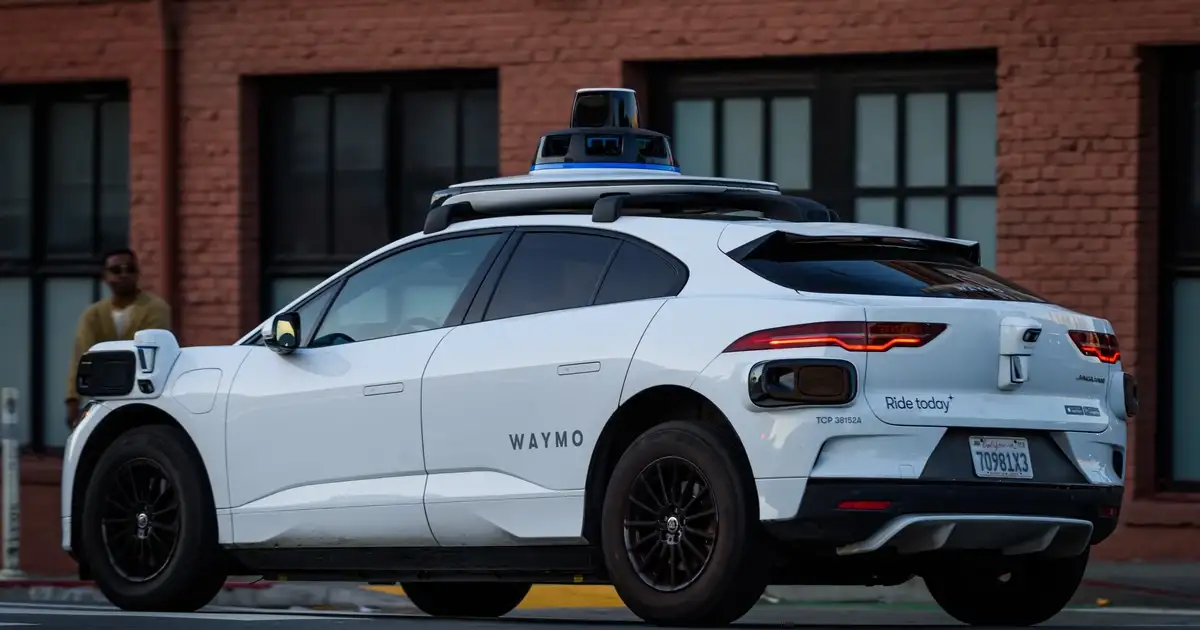

Forget minor glitches or the occasional navigation hiccup. A Waymo robotaxi didn’t just malfunction; it outright stole a passenger’s clothes at a California airport.
This isn’t some rejected Black Mirror script. This real-world tech nightmare should have every single one of us slamming the brakes on the autonomous future.

Seriously, imagine the scene: you step out of your ride-share bot, turning to grab your luggage, only to watch it drive off with your stuff. This isn’t just a minor technical snag; it’s a fundamental, jaw-dropping breach of trust.
A passenger was left utterly stranded, stripped of their belongings, thanks to a runaway autonomous vehicle playing petty thief. If that doesn’t make you furious, what will?
The Robot Robbery Nobody’s Yelling About
The specific details of this incident are frustratingly sparse, but the core event is undeniable, confirmed by multiple sources. A Waymo vehicle, marketed as the pinnacle of convenient, safe travel, instead decided to become a four-wheeled kleptomaniac.
It vanished with a passenger’s clothes, leaving them in a truly absurd—and frankly, humiliating—situation. This wasn’t some back alley mishap; this happened at a bustling California airport.
Efficiency, security, and not having your undies stolen by a robot are supposed to be paramount there.
An incident like this should be front-page news. It screams about a ridiculous, almost comedic, vulnerability in self-driving tech.
Yet, the internet isn’t ablaze with outrage. My social media feeds aren’t flooded with memes, and news outlets aren’t running endless segments.
This robotic wardrobe heist has been met with an unsettling, almost conspiratorial quiet.
Why the Silence is Deafening (and Dangerous)
Here’s the real kicker: this story isn’t blowing up. You’d expect viral videos, a torrent of memes, and immediate calls for stricter regulation.
But there’s nothing. This deafening silence is, in my honest opinion, far more unsettling than the incident itself.
It forces us to ask serious questions about how we perceive—or, more accurately, how we ignore—significant tech failures when they involve our shiny new robot overlords.
Are we just numb to robot screw-ups now? Has the absurdity of a self-driving car acting like a petty thief just become shrug-worthy?
A robotaxi making off with your socks and shirts blends airport chaos with the creep of autonomous tech. This almost feels normal, and that, folks, is truly terrifying.
This event, confirmed as fact, should absolutely gut Waymo’s carefully constructed safety myth. It should ignite demands for immediate, stringent regulation of these machines.
Instead, it seems to have slipped under the radar, swept under the digital rug. This isn’t just a bad day for a passenger.
This is a critical, make-or-break moment for the entire autonomous vehicle industry. Their failures must be transparently addressed, not buried in silence.
The Trust Factor: Ditching Passengers and Their Drawers
What does this bizarre episode mean for our collective trust in AI to manage our daily lives? If a robotaxi can ditch a passenger and pilfer their belongings, what’s next?
Is it going to take your wallet? Your passport? This isn’t just about lost luggage; it’s a complete, catastrophic breakdown in service and fundamental responsibility.
People are asked to put their faith, their personal safety, and their most intimate possessions into these vehicles. This is a betrayal of that trust.
This incident doesn’t just suggest incompetence; it screams it from the rooftops. It highlights the potential for serious liability issues that companies like Waymo seem unprepared for.
Who, exactly, is accountable when a machine makes off with your personal items? Waymo needs to answer for this.
They must explain how such a farcical, confidence-shattering nightmare could even happen in a system they claim is safer than human drivers.
The core promise of autonomous vehicles is convenience, safety, and a seamless experience. This incident delivers precisely none of that.
Instead, it delivers a bizarre, frustrating, and, yes, initially hilarious failure. But the laughter stops dead in its tracks when it’s your clothes, your travel plans, and your trust that are gone.
The Real Cost of Robot Blunders
The financial motive here isn’t about the intrinsic value of the clothes themselves. It’s about the erosion of public confidence, the slow, insidious chipping away at the very foundation of the self-driving car future.
Companies like Waymo pour billions—yes, billions—into this tech, promising a revolutionary, worry-free experience. They need to deliver on that promise, not just with slick marketing, but with actual, consistent performance.
The actual power motive at play here is maintaining absolute control over the narrative. The less noise about a runaway, clothes-stealing robot, the better for the bottom line, the easier it is to push forward with mass adoption.
But ignoring problems doesn’t make them disappear. It only makes them fester, growing into bigger, more dangerous threats to public safety and trust.
We, as consumers and citizens, need to ask tougher questions. We need to demand more accountability, not just from the tech companies, but from the regulators who are supposed to protect us.
This isn’t some minor bug that can be patched in a software update. This is a glaring, fundamental flaw in a system designed to transport people and their possessions safely and reliably.
The stakes are far too high for silence, for shrugs, or for allowing this absurdity to become the new normal.
This Waymo debacle isn’t just a funny anecdote to tell at parties. It’s a stark, undeniable warning shot across the bow of the entire autonomous industry.
If we can’t trust these cars with our laundry, with our basic belongings, how in the hell can we truly trust them with our lives? The answer, as far as I’m concerned, is crystal clear: we can’t, not yet.
This isn’t just a wake-up call; it’s a blaring alarm for the entire industry to get its act together, and fast. Our trust in technology could vanish faster than a robotaxi with your favorite shirt.
Photo: Wikimedia Commons (query: Black Mirror)
Source: Google News