
Forget charity galas of yesteryear. The Met Gala’s individual ticket price has not just risen; it has rocketed to an astronomical $75,000. This isn’t merely about philanthropy; it’s a brutal demonstration of luxury market inflation, aggressive brand positioning, and the relentless monetization of status in an increasingly stratified world.
On May 3, 2026, the Metropolitan Museum of Art will host its annual gala. Individual tickets have surged a staggering $25,000 from last year’s already eye-watering $50,000.

This isn’t a gentle nudge; it’s a full-throttle cash grab designed to funnel millions into the Metropolitan Museum of Art’s Costume Institute, its sole source of annual funding. The question isn’t just “who pays?” but “what are they truly paying for?”
Tables for this exclusive event now command anywhere from $350,000 to $500,000. Co-chaired by industry titan Anna Wintour, Zendaya, Bad Bunny, and Jennifer Lopez, the gala reliably pulls in a galaxy of A-listers. But let’s be brutally honest: very few of these high-profile attendees are actually opening their own wallets.
The Business of “Art”: A High-Stakes Transaction
The Met Gala has fully embraced its role as a commercial powerhouse. The “artistic purpose” of celebrating fashion feels secondary, if not entirely overshadowed, by the sheer marketing muscle on display. The Costume Institute’s complete reliance on this event for its annual funding makes every price hike a necessary, albeit increasingly audacious, evil for the museum.
This dependence doesn’t just blur the lines between philanthropy and high-stakes corporate advertising; it obliterates them. The museum secures its vital operating cash, and in return, luxury brands gain an unparalleled global spotlight.
It’s a transactional relationship, stripped bare of pretense, where everyone at the top seeks a tangible return on their investment. To pretend otherwise is naive.
“The Met Gala is a celebration of creativity, fashion, and the incredible work of the Costume Institute. The funds raised are vital to its existence.”
— Anna Wintour, Vogue Editor-in-Chief
Wintour’s statement rings true on one level, but it glosses over the intense commercial machinery beneath the surface. This isn’t just a party; it’s a meticulously orchestrated business conference disguised as a high-society charity ball.
The Unspoken ROI: Why Brands Pay
Make no mistake: celebrities are rarely dipping into their personal fortunes for a ticket. Luxury brands are the ones shelling out hundreds of thousands for tables, not out of pure generosity, but calculated strategy. They meticulously dress the stars, ensuring massive, instantaneous global media exposure that money alone often can’t buy.
This isn’t about a pleasant evening out; it’s a strategic marketing investment with an almost guaranteed return. The reach, the buzz, and the sheer volume of media impressions generated from a single night at the Met Gala often outperform most traditional advertising campaigns costing millions more. Why? Because it’s authentic, star-driven, and culturally resonant.
“For us, it’s not just about a dress; it’s about global brand positioning. The reach we get from one night at the Met Gala is incomparable to any other marketing spend.”
— Anonymous Luxury Brand Executive, speaking to The Guardian
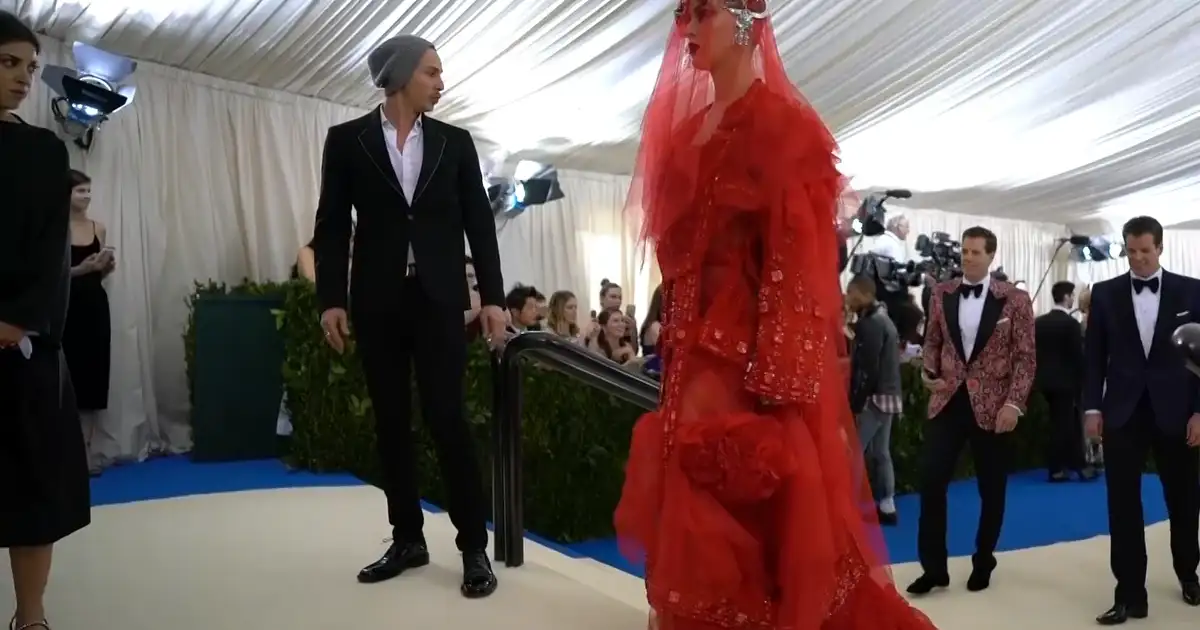
Brands like Dior, Gucci, and Chanel view the red carpet as a high-stakes battleground. Each celebrity appearance in their designs translates directly into invaluable media impressions across social media, fashion blogs, and mainstream news outlets. These impressions, often featuring the world’s most influential personalities, are worth exponentially more than the hefty table price.
The Celebrity Payoff: A Career Accelerator
Celebrities attend as the honored, and often highly compensated, guests of these brands. They receive bespoke, often priceless, garments, a high-profile platform to showcase their personal brand, and unparalleled networking opportunities. This visibility isn’t just fleeting; it directly boosts their personal brand equity and frequently opens doors for lucrative endorsement deals and future projects.
Their “payment” comes not in cash, but in increased visibility, enhanced prestige, and the promise of future contracts. It’s a truly symbiotic relationship where every player at the top echelon gets richer. For many, the Met Gala is less a social event and more a career accelerator, a crucial annual milestone in their personal brand strategy.
Exclusion and Public Perception: The Fortress of Wealth
The escalating costs, however, construct an impenetrable fortress of wealth. Smaller, independent designers or emerging talents find it utterly impossible to compete for a spot, limiting true diversity and innovation on one of fashion’s biggest global stages. Does this exclusivity ultimately stifle the very creativity the gala claims to celebrate?
For the public, watching from afar, it’s a dazzling spectacle of extreme wealth and privilege. The astronomical $75,000 ticket price does more than just fund a museum; it reinforces a perception of an increasingly out-of-touch elite, fueling public cynicism about the event’s true purpose and the wider fashion industry’s values.
“The increasing price tag is a double-edged sword. It secures the future of the Costume Institute, undoubtedly, but it also solidifies the gala’s reputation as an impenetrable fortress of wealth, alienating many who once admired its artistic aspirations.”
— Renowned Fashion Critic, reporting for The New York Times
The Met Gala raised over $22 million in 2025. This year, it’s confidently expected to hit $25-30 million. That’s serious money for the museum, a lifeline for its Costume Institute, but it undeniably comes at a cost to the event’s soul and its connection to a broader audience.
So, who actually pays? The real financial burden is shouldered by the luxury brands, who view it as a non-negotiable marketing expense.
Celebrities pay with their time and image, leveraging the exposure for future earnings and career advancement. The public pays by consuming the spectacle, reinforcing the immense power of brand and celebrity.
The Met Gala has transformed into the ultimate high-end business conference, meticulously disguised as a philanthropic occasion.
This event isn’t fundamentally about celebrating art anymore; it’s about monetizing status, influence, and aspiration. The ever-climbing price tag isn’t just a number—it’s the undeniable proof.
Source: Google News