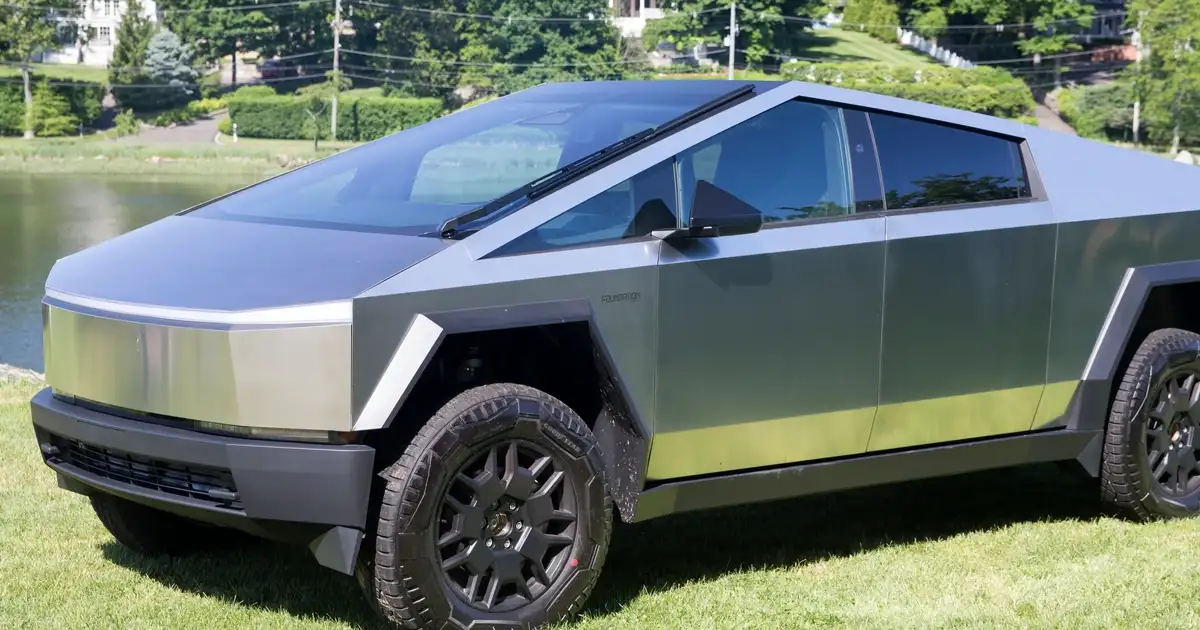

A driver filmed fast asleep behind the wheel of a Tesla on Sydney’s M2 motorway is not just shocking. It is a glaring red flag for public health and road safety, exposing a terrifying disconnect between technology and human responsibility.
This incident, though not new, keeps screaming for attention. The man was completely disengaged, his vehicle hurtling down a major highway.

Another driver, absolutely frantic, had to beep their horn repeatedly to get a reaction. This isn’t just a driving infraction; it’s a public health crisis waiting to explode on our roads.
The Dangerous Illusion of Autonomy
The core issue here is simple: Tesla’s Autopilot and “Full Self-Driving” (FSD) are driver-assist systems. They are classified as Level 2 ADAS. This means they demand constant human supervision.
Tesla itself states drivers must keep their hands on the wheel and remain attentive. Yet, incidents like the one on the M2 motorway prove many drivers ignore these warnings. They treat their cars like fully autonomous vehicles, a deadly misunderstanding.
Public health and road safety experts are screaming about this. Dr. Michael Henderson, a Road Safety Research Fellow at the Australian Institute of Public Health, put it bluntly. He said, “Driver engagement is non-negotiable for current Level 2 systems, and incidents like drivers falling asleep highlight a dangerous gap in public understanding and, potentially, in current vehicle safeguards.”
Why Drivers Are Falling Asleep
Why do drivers fall asleep or disengage? It’s a mix of fatigue, distraction, and a false sense of security. The technology provides assistance, but also creates a paradox.
Drivers become less vigilant, delegating control to the machine. This can lead to serious accidents, injuries, and fatalities.
A report by the Australian Automobile Association (AAA) confirms this. Many drivers admit to distracting behaviors while using ADAS, some even completely disengage. This trend is alarming for public health.
The U.S. National Highway Traffic Safety Administration (NHTSA) has seen hundreds of incidents. Driver inattention or misuse is a contributing factor. The financial cost is staggering.
Billions of dollars are lost annually. This includes healthcare, property damage, and lost productivity. It is a massive burden on our public health system.
Regulating the Human Element
So, what are authorities doing to prevent this? Governments and transport authorities are struggling. They must regulate this fast-moving technology.
There is a strong push for clear legal frameworks. These frameworks must define driver responsibility and mandate effective driver monitoring. Penalties for misuse are also crucial.
The Australian federal and state governments are reviewing national guidelines. Public safety is their top priority.
“Our message is clear: these are driver-assist systems, not self-driving cars. Drivers must remain alert and ready to take control at all times. The responsibility for safe operation ultimately rests with the human behind the wheel.”
Spokesperson for Transport for NSW (May 26, 2026)
Automakers like Tesla do include warnings. Their systems try to detect driver disengagement. But critics argue these are often not enough, failing in cases of outright sleep.
More sophisticated driver monitoring systems (DMS) are needed. These systems use cameras to track eye gaze and head position, ensuring active driver attention.
However, their effectiveness against total disengagement is still debated.
The Road Ahead for Safety
The Sydney M2 motorway incident is not an isolated event. Reports from Canada, the U.S., and Europe show similar cases. Drivers have been charged for sleeping while their Teslas operate.
These incidents have fueled intense scrutiny. Regulators are investigating Tesla’s Autopilot system, looking at its safety features, including driver monitoring. This is a public health imperative.
We cannot wait for more tragedies. The proliferation of ADAS-equipped vehicles means more drivers will use them. Misunderstanding or misusing them puts everyone at risk.
This includes other drivers, pedestrians, and cyclists. We need mandatory, advanced driver monitoring systems and clear legal frameworks. These must prioritize public safety over technological novelty. This is exactly what we do in other high-risk industries.
The future of transport depends on human responsibility. Technology can assist, but it cannot replace vigilance. We must demand better from both drivers and regulators. Our lives depend on it.
Source: Google News