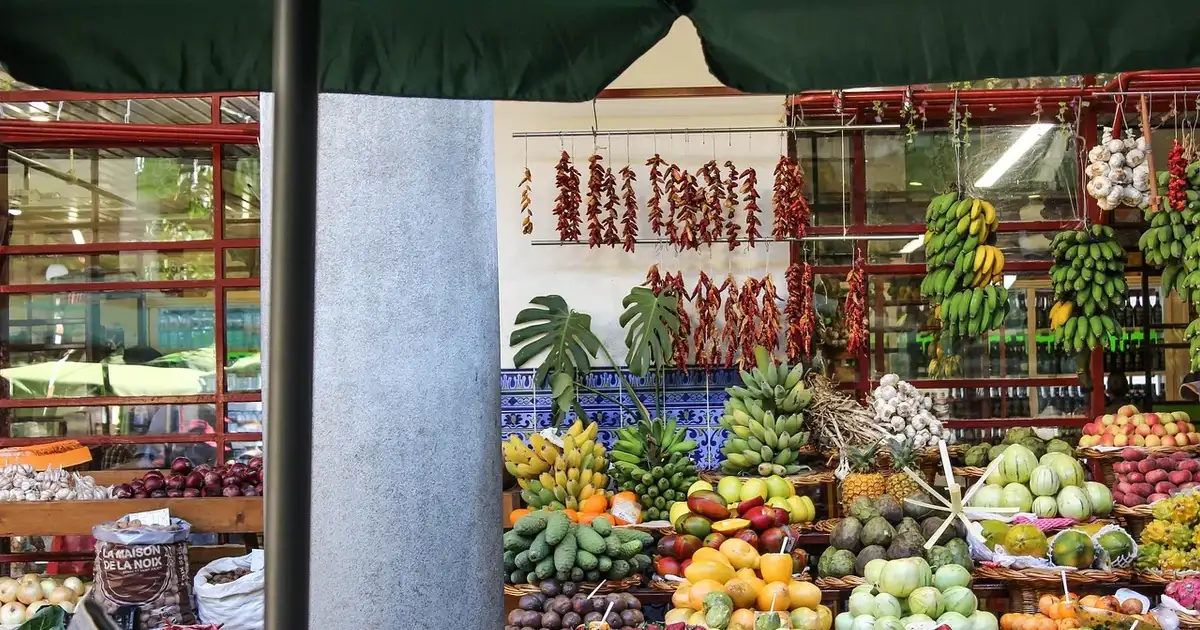

Connecticut’s farmers markets are booming. Visitor numbers and sales have skyrocketed 20-25% this season, pumping over $150 million into the state last year. The romantic ideal of fresh, local produce seems untouchable, a feel-good story we all want to believe.
But behind the bounty of berries and leafy greens, a microscopic parasite is quietly making its rounds. The numbers are climbing fast, threatening to sour our summer and our trust.

The Rising Tide of Illness
As of Tuesday, the Connecticut Department of Public Health (DPH) confirmed a staggering 73 cases of cyclosporiasis this summer. A startling 18 new cases surfaced in just 48 hours, marking a chilling 45% jump compared to this time last year.
Cyclosporiasis, caused by the nasty Cyclospora cayetanensis parasite, isn’t just a minor inconvenience. It means weeks of debilitating stomach cramps, relentless diarrhea, and profound misery.
Despite this alarming surge, the DPH remains frustratingly vague. They are “actively investigating,” they say, but have failed to pinpoint a specific source. Not a farm, not a market stall, not even a particular grocery store – just ‘fresh produce’ in general. Is that good enough?
“We are seeing a concerning uptick in cyclosporiasis cases, and our team is working diligently to identify the common links. This parasite can cause prolonged illness, and prevention through proper food handling is our best defense.” – Dr. Manisha Juthani, CT DPH Commissioner, July 14, 2026
Public health officials, predictably, are pushing the standard line: wash your fruits and vegetables thoroughly, even those with peels. This is the go-to advice when a specific culprit remains elusive.
Market managers, like Sarah Jenkins in West Hartford and Mark Thompson in Storrs, are quick to assure us their farmers adhere to strict practices and educate vendors. Shoppers, like Maria Rodriguez in New Haven, remain enthusiastic but admit the warnings make them “extra careful.” So, everyone’s doing their part, right? Or are we just washing away our worries while the real problem persists?
The Unseen Cost of “Local”
It’s dangerously easy to get swept up in the romance of farmers markets. The comforting belief that “local” automatically equates to “safer” or “cleaner” is a powerful, almost sacred narrative here in Connecticut, fueling an incredible economic boom.
While supporting our local agriculture is undeniably important, let’s be blunt: it doesn’t grant immunity from microscopic parasites like Cyclospora.
The DPH’s broad, almost dismissive advice — “wash everything” — feels less like a solution and more like a convenient catch-all. This is especially true when the specific “what” and “where” of this outbreak remain stubbornly elusive. Are we prioritizing the narrative over public health?
Red Marker Verdict: The Convenient Fog of “Wash Your Produce”
Here’s the hard truth, the one no one in power wants to say out loud: when health officials tell everyone to “wash your produce” without naming a specific culprit, it serves multiple, self-serving purposes.
First, it neatly shifts the onus squarely onto the consumer, making it your problem. Second, and perhaps most crucially, it avoids disrupting the incredibly lucrative farmers market industry. This industry is a major win for local economies and a darling of the state’s political class.
Third, it conveniently sidesteps the potentially far more complex and politically sensitive task of tracing contamination back to larger commercial farms or distributors. These often supply multiple retail channels and hold significant sway.
The DPH has no direct link to farmers markets yet, and that’s precisely the point. It’s always easier to issue a vague, blanket warning about “general produce risk” and tell everyone to take personal responsibility.
This approach avoids potentially tanking a burgeoning economic sector or alienating powerful agricultural interests. So, while you’re diligently scrubbing your organic kale, remember that the actual, dangerous source of this summer’s misery is still out there, unaddressed.
Until the DPH gets specific, we’re left to wonder: are we truly safe, or just conveniently distracted?
Source: Google News